Yo-Yo Dieting is Good for You
- At June 13, 2011
- By Katherine
- In News
 3
3
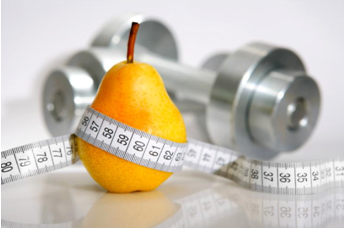 A new and interesting study has found that yo-yo dieting is better than no dieting at all. It gives us all hope that trying is better than doing nothing while staying overweight. It gives heft to my (and Winston Churchill’s) strong belief to:
“NEVER, NEVER, NEVER GIVE UP!”
Here’s the scoop:
I was contacted by an ABC-7 producer who asked me to comment on the study – which seemed to turn our conventional wisdom that yo-yo’ing is bad for you – on its head. So I took a look. **
First, the study:
In a National Institutes of Health-funded study at Ohio University, researchers found that overweight, diabetic rats (yes, rats – so much like us, don’t you agree?) which yo-yo dieted, had better glucose levels, lower inflammation, and a 25% increased lifespan than overweight rats which stayed overweight. In fact, the yo-yo dieting rats lived about as long as the lean and healthy rats (there were three groups: obese rats which stayed obese, healthy and lean rats, and the yo-yo dieters).
“The new research shows that the simple act of gaining and losing weight does not seem detrimental to lifespan,” said the study’s lead author Edward List, a scientist at Ohio University’s Edison Biotechnology Institute.
While the study was conducted with rats, the implication for humans is huge and seems to back up some scientific data we already know about humans, such as:
- In my first 2001 edition (and again in my 2011 edition) of “Diet Simple,” I quoted the National Institutes of Health National Task Force for the Prevention and Treatment of Obesity, which reviewed some 28 medical studies on weight cycling. Their conclusions:“There is no convincing evidence that weight cycling in humans has adverse effects on body composition, energy expenditure, risk factors for cardiovascular disease, or the effectiveness of future efforts at weight loss,”
- The longest running study of successful weight loss maintainers, The Weight Control Registry, established in 1994 and following more than 5,000 people, has found that many successful weight loss maintainers tried several times to lose weight – and often yo-yo’d a lot, before they finally kept the weight off for good,
- Calorie-restriction research is compelling and shows our bodies go through amazingly positive changes during weight loss or calorie restriction. Calorie restriction research combined with the Ohio University study results suggest these changes may have a strong impact, even if just a portion of your life is spent losing weight or restricting calories. Some benefits of calorie restriction: 1) Reduction of blood glucose and insulin cuts the risk of insulin resistance, diabetes and its complications, as well as heart disease, and colon cancer, 2) Reduction of oxidative damage and aging, potentially improving longevity, 3) Reduction of inflammation, a risk factor for cancer, heart disease, arthritis and other chronic diseases, 4) More youthful hormone levels and a reduction of dangerously high hormone levels and growth factors related to cancers, and, finally, 5) calorie restriction reduces body fat, which research shows has many benefits.
“We used to think body fat was inert, but it isn’t,” says Luigi Fontana, Instructor of medicine at Washington University’s Division of Geriatrics and Nutritional Science. “Fat tissue produces hormones, pro-inflammatory chemicals which regulate metabolism, the immune system, inflammation and the progression of artery hardening, so that when you have less body fat, you get many biological benefits.”
There are many advantages to calorie restriction. But there are downsides to severe calorie restriction, too. In fact, scientists are not recommending it to humans as a way to stay healthy since the research is not complete. Lower metabolisms can cause irritability or depression in some people or may backfire and lead to an eating disorder. If you eat too few calories and hormone levels lower too much, this may lead to infertility problems or increase chances of osteoporosis in women.
Still, it’s useful to think about the discoveries and to find ways to integrate some of the important insights into your daily life.
- Reduce plasma insulin with exercise. It naturally clears glucose from your blood stream and that keeps insulin levels low. It creates a condition physiologically similar to calorie restriction. People who are more active have less disease and live longer,
- To reduce oxidative damage, eat more foods high in anti-oxidants, such as berries, dark green and deep orange vegetables, such as spinach, kale, pumpkin, carrots, cabbage, and broccoli,
- To reduce inflammation, eat more foods high in omega 3 fatty acids, such as fatty fish like salmon, herring and sardines, or vegetarian sources like walnuts and flax seeds,
- To reduce hormones, growth factors and cell proliferation, lose weight,
- To keep calories at low but healthy levels while still feeling full, increase consumption of high fiber, nutrient-dense, low calorie foods such as vegetables and fruits. Reduce consumption of nutrient-poor, calorie-dense processed and refined foods like chips and sweets.
And with regard to yo-yo dieting, while, of course, it is best to be at your ideal, healthy weight and stay there, the Ohio University study means it doesn’t hurt to keep trying, and may even be beneficial…
As Winston Churchill so memorably said: “NEVER, NEVER, NEVER GIVE UP!”
**See me discuss this study on ABC-7 today on the 5 pm News Program
The Sundae Solution
- At May 23, 2011
- By Katherine
- In News
- 0

Diet Simple “tip” #1: The Sundae Solution
NOW it’s official: You can eat a chocolate sundae every day and still lose weight.
One of my clients, Jennie, almost always snacks in the afternoon. She views these snacks as “rewards” for getting through another day of drudgery. Of course, these same snacks contribute to her weight problem.
My advice to her (and I’m pretty proud of it): Have a chocolate sundae every day.
I know this sounds strange, but here’s why it helps. The chocolate syrup that you pour over ice cream isn’t exactly lean, but that’s okay because underneath the chocolate – the sundae part – is fresh fruit instead of ice cream. Fruit is a lot better for you than ice cream, and the chocolate provides a slightly sinful incentive to make the switch seem worthwhile.
Almost any fruit works with chocolate syrup – strawberries, bananas, peaches, take your pick. Apart from the fact that a fruit sundae is deliciously fresh tasting and low in saturated fat and calories, it makes a great substitute for other snacks that really load on the calories.
BOTTOM LINE: Lose 9-35 pounds
A tablespoon of regular chocolate syrup has about 50 calories. Pour it over fruit, and your total is about 110 to 160 calories. Compare that to the usual snacks – a candy bar, for example, has about 250 calories, and an ice cream cone has about 500 – and you can see why substituting the fruit sundae can lead to impressive amounts of weight loss. Make the switch every day, and you can count on losing nine to thirty-five pounds in a year.
Dark Chocolate Dipped Strawberries
- At May 20, 2011
- By Katherine
- In News, Recipes
- 1
 Dark Chocolate-Dipped Strawberries
Serves 6 – 8
Ingredients:
For the Fondue:
½ cup Skim Milk
8 ounces Semisweet Chocolate, finely chopped
1 teaspoon Vanilla Extract
To Serve:
2 quarts Whole Strawberries (or other seasonal fruit, liked sliced pears)
Long toothpicks or Kebab Sticks
Finely Chopped Nuts (optional)
Course Ground Coffee (optional)
Granola (optional)
Heat the milk in a double boiler. When the milk begins to bubble around the edges, turn off the heat, and whisk in the dark chocolate chips. When melted, mix in the vanilla. Be careful not to burn the chocolate! Keep it on very low heat or in a double boiler. Pour into a fondue pot, keep on low, stirring occasionally. Spear each strawberry or piece of fruit with a long toothpick or kebab stick, and dip into the chocolate. If desired, roll in a bowl of chopped nuts, granola – or for the adults: course ground coffee for “mocha” dipped strawberries. To harden the chocolate, place each chocolate-dipped strawberry separately on parchment paper and let cool. About 160 calories per serving, which is 1/8 of the recipe. The strawberries are only 2 to 6 calories each, depending on their size.
Is it true that a chocolate a day will keep the doctor away?
The cacao bean, grown mainly in Latin America, Africa and Asia, is loaded with beneficial compounds. In fact, its early uses, dating back 3,000 years were mainly medicinal. It has been highly prized for centuries, which is reflected in its scientific name, Theobroma cacao, meaning “Food of the Gods.”
Cocoa, if high in flavanols, the beneficial plant compounds scientists believe impart most of cocoa’s benefits, may help maintain a healthy vascular system, relax blood vessels, reduce blood clotting – an aspirin-like affect –reduce oxidative damage, inflammation, and improve blood flow. All of which reduces heart disease risk.
If you’re eating chocolate for health benefits, you’ll need to be very discriminating in your selections. You’ll get more flavanols, and therefore health benefits, with less processing. The first choice is cocoa, which isn’t Dutch processed – as when cocoa is “Dutch processed with alkali” the flavanols are reduced. Look for chocolate which has the highest percentage of cocoa as possible and to save calories, look for chocolate with lower fat and sugar levels. In general, cocoa is your best first choice. Second choice is a semisweet or bittersweet chocolate with a high cocoa percentage. Some chocolates go as high as 85% cocoa, but legally can be as low as 35%. I recommend no more than an ounce a day, which may be about 110 – 150 calories, depending on the chocolate. Any more than that and you’re probably going to take in too many calories for weight control.
Did you know that there are 200 seeds on each strawberry?
Strawberries are members of the Rose family and there are over 600 different varieties. Choose freshly picked, ripe berries, as they will be the tastiest and will have the most nutrients. “Look for berries fully formed, bright red, without bruising or soft spots and with fresh-looking green caps,” says Janie Hibler in “The Berry Bible.”
Strawberries are considered a “superfood.” They have one of the highest antioxidant and nutrient contents of all foods, yet they are low in calories, so you can eat them in unlimited quantities. In fact, for your health, the more the better! “A serving of eight strawberries contains more vitamin C than an orange. Strawberries are also rich in folate, potassium, and fiber. They’re especially high in cancer- and heart-disease-fighting phytonutrients (beneficial plant compounds) called flavonoids, anthocyanins, ellagic acid, quercetin, catechin, and kaempferol,” according to David Grotto in “101 Foods That Could Save Your Life.”
“Addictive” Chilled Asparagus in a Creamy Tarragon, Shallot and Roasted Walnut Vinaigrette
- At May 12, 2011
- By Katherine
- In News, Recipes
- 2
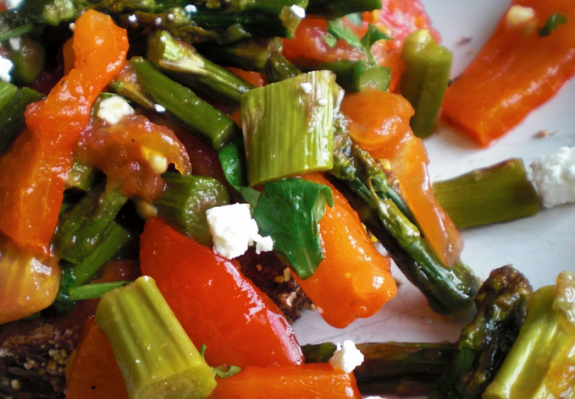
My favorite asparagus recipe is one I developed with my client, Rebecca. We made a mess in her kitchen with several bundles of asparagus in each corner. We roasted it, steamed it, and sauteed it. We tried a variety of dressings and accompaniments. The result? “Chilled Asparagus in a Creamy Tarragon, Shallot, and Roasted Walnut Vinaigrette.”

Cindy Mize during her (big, gorgeous hair and) non-vegetable-eating days in Washington, D.C. in 1986
Chilled Asparagus in a Creamy Tarragon, Shallot, and Roasted Walnut Vinaigrette
How delicious is this recipe? Let me just say my friend Cindy Mize – who recently lost 30 lbs with my DIET SIMPLE batch recipes, and who I immortalized in my book, Diet Simple, as having just lipstick and fingernail polish in her refrigerator (during her younger days in Washington), says she can’t sleep knowing it is in her refrigerator. In her new life as president of Miami Capital Properties in Key Biscayne, Florida, she has many dinner parties at which my asparagus recipe is featured. After her dinner guests leave, she says she sneaks to the refrigerator at midnight to scarf up the leftover. I can hardly believe the transformation of this southern gal who claimed she would only eat “brown” or “white” food: but I guess that illustrates the power of a great recipe!
Serves 6 to 8
Ingredients:
2 pounds Asparagus, cleaned, tough ends removed, cut in bite-sized (1.5 inch) pieces
1 Tablespoon Walnut or Canola Oil
A pinch of Salt and Pepper to taste
2 Ounces (1/2 Cup) Roasted, Unsalted Walnuts, Chopped
1 Small (4 ounce) Red Bell Pepper, Chopped Finely (roasted, if you wish)
1 Bunch (1/4 Cup) Green Onions, Chopped Finely
Vinaigrette:
2 Tablespoons Tarragon Vinegar (ideally – or regular vinegar)
4 Tablespoons Walnut Oil (ideally – or canola oil if walnut oil is not available)
2 Tablespoons Low Fat Greek Yogurt
1 Shallot, Chopped Finely
2 Tablespoons Fresh Tarragon, Chopped Finely
1 Tablespoon Fresh Parsley, Chopped Finely
1 Tablespoon Fresh Chives, Chopped Finely
¼ Teaspoon Salt
Freshly Ground Pepper, To Taste
Preparation:
First, prepare the vinaigrette by mixing all vinaigrette ingredients in a bowl large enough to fit the asparagus, red pepper and green onions. Place the bowl with the vinaigrette in the refrigerator so that it is cool when the asparagus comes out of the oven.
If you are using raw walnuts, toast the walnuts by placing them in a single layer on a baking sheet in a 350 degree oven for 8 to 10 minutes until light golden brown. Let them cool. Chop.
Preheat oven to 425 degrees.
Clean the asparagus, break off tough ends. If you wish, peel the stalks for a more tender vegetable. Slice the asparagus stalks diagonally into bite-sized or approximately 1.5 inch pieces. In a large bowl or plastic bag, toss the Asparagus pieces in 1 Tablespoon of Walnut or Canola Oil and a light sprinkling of salt and pepper until the asparagus is coated lightly with oil.
Place the oil coated asparagus on a baking sheet (parchment paper helps prevent sticking) in a single layer and cook for 5 minutes in the middle of the 425 degree oven. Pour the hot asparagus into the cool vinaigrette to help discontinue the cooking of the asparagus, so that it remains al dente. Do not overcook! Add the finely chopped red bell pepper, green onions, and nuts. Toss and serve immediately while still warm or chilled.
About 1,000 calories for the entire dish.
Asparagus is packed with nutrients. Low in calories, it’s an excellent source of folic acid and Vitamin C, Thiamin, and Vitamin B6. Asparagus, like other fruits and vegetables, is sodium-free, and contains no fat or cholesterol, either. It is an important source of potassium and many nutrients, important for boosting your immune system and preventing heart disease, lowering blood pressure and even preventing cancer. According to the National Cancer Institute, Asparagus is the highest tested food containing Glutathione, one of the body’s most potent cancer fighters. Additionally, Asparagus is high in Rutin, which is valuable in strengthening the blood vessels.
New Harvard Study: Eat More Fiber? That Depends…
- At February 15, 2011
- By Katherine
- In News
- 0
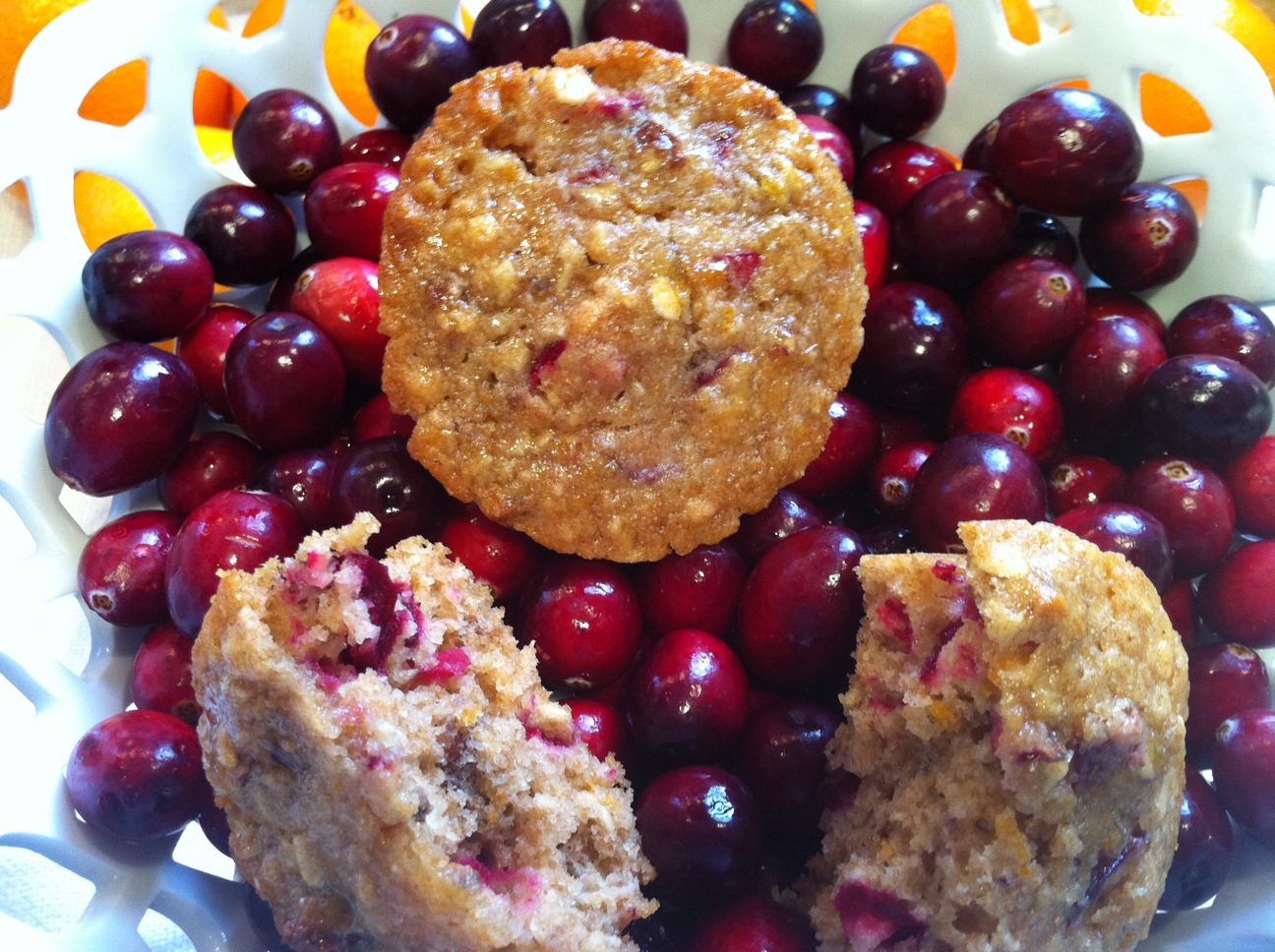
Katherine Tallmadge's Cranberry-Orange Whole Grain Muffins
The Harvard study found “dietary fiber may reduce the risk of death from cardiovascular, infectious and respiratory diseases,” published in February 14’s Archives of Internal Medicine. But, this may not mean what you THINK it means!
Should you be looking for foods in your supermarket which exclaim in bright letters “HIGH FIBER?” Probably NOT! Let me explain:
The term “HIGH FIBER DIET” when describing an eating pattern which benefits your health, is more accurately described as “A DIET HIGH IN FOODS WHICH ARE NATURALLY FIBER-RICH.”
What’s the difference? This is a critical, literally life-saving distinction… so read on!
People who eat a diet high in foods which are NATURALLY fiber-rich are the ones who receive the health benefits from a high fiber diet.
That is because foods which are naturally fiber rich are also naturally jam-packed full of vitamins, minerals, antioxidants, and other plant compounds (called “phytonutrients”) which have known health-enhancing benefits. This is the combination of nutrients – including fiber – which makes people healthy… NOT-THE-FIBER-ALONE!
How can you tell the difference and incorporate these findings into your and your family’s everyday routine? Read on…
Our grandmothers have been extolling the virtues of “roughage” for generations. Turns out, they were right. But the benefits of roughage, aka fiber, are far more vast than grandmother ever realized.
The findings from this new Harvard study are not surprising to me. Scientific research has been accumulating for decades that an eating pattern emphasizing plant foods – fruits, vegetables, legumes, whole grains, and nuts – is the healthiest diet on the planet. Plant foods are naturally high in life-saving fiber and other nutrients. They lower inflammation, improve the immune response, reduce risk of many diseases from colds to cancer, cardiovascular disease, type 2 diabetes, and keep us lean. This study is yet another piece of proof rounding out our knowledge.
So, for many reasons, the National Academy of Sciences’ (NAS) Food and Nutrition Board, the group which issues periodic dietary recommendations for Americans, recommends Americans double their daily fiber intake to 38 grams for men and 25 grams for women.
Fiber is mainly carbohydrate, the undigestible part of plant foods (fruits, vegetables, whole grains, legumes, and nuts)– it travels unchanged through the intestines. Fiber comes in many different forms in food. It is concentrated, for instance, in the skin of fruits and vegetables, such as apples, corn, and legumes, the seeds of vegetables and fruits such as berries and cucumbers, and the germ and bran or coating which surrounds wheat kernels and other grains. These essential parts of the grain are removed to create white flour and other refined grains.
Americans eat very little fiber – half of what is recommended, eating a highly refined diet, instead. And if you’re on a low carb diet, you’re lucky to be eating any. There are plenty of great reasons to increase your intake of fiber-rich foods. My clients who do discover multiple benefits.
Easier Weight Loss
Not eating enough fiber may be one reason why people are getting fatter.
A study published in the American Journal of Clinical Nutrition found that women with the highest fiber intake had a 49 percent lower risk of major weight gain compared with women eating less fiber.
High fiber diets are usually lower in calories. Though fiber is mainly carbohydrate, very little of it, if any, is actually digested. So, with foods high in fiber, you’re actually eating food which only partially counts as calories (and you thought that was only in your dreams!).
High fiber foods are also bulky, and often watery foods, which means they fill you up for fewer calories. Studies have shown adding high fiber foods, such as vegetables, before or during a meal decreases the overall calorie content of the meal by about 100. While saving 100 calories a day may not sound like much, it translates into losing ten pounds in one year.
High fiber foods require more chewing and take longer to eat, which leads to more physical and psychological satisfaction with your meals.
Improved Intestinal Function
Digestive disorders are on the rise and a main reason may be the dearth of fiber in our diets. For most digestive disorders such as reflux disease, constipation, diarrhea, hemmorhoids, diverticulitis, ulcerative colitis, Crohn’s disease and irritable bowel syndrome, a higher fiber diet relieves symptoms and can even prevent the disorder in the first place.
Many people with these disorders, particularly Crohn’s disease or diarrhea, think they should avoid fiber, but that’s a mistake for most. Fiber increases bulk and motility and this relieves pressure, keeps everything regular and more comfortable for the whole gammit of intestinal disorders.
Imagine fiber as a dry sponge in your intestinal tract. Fiber pulls water into the system, keeping everything larger, softer and moving more quickly and easily.
Improved Immune Function
The Harvard study found a reduced risk of infectious and respiratory diseases associated with a high fiber diet. This may be because many of the foods containing nutrients instrumental in a healthy immune system happen to be high in fiber. Read more…
Lower Diabetes Risk
Numerous studies have shown that high fiber diets improve diabetes control and may even prevent diabetes. In fact, it’s been estimated that fiber, especially cereal fiber from whole grains, reduces diabetes risk by about 35 percent.
There are several theories explaining why this may be true. First, high fiber foods tend to have a lower glycemic index. This means that after eating, blood sugar levels rise less (diabetes is characterized by high blood sugar). And studies confirm that people eating high fiber diets usually have lower fasting insulin levels, an indicator of overall lower blood sugar levels.
Also, high fiber foods contain many nutrients which may improve diabetes. For one, magnesium, a nutrient found in whole grains, legumes, tofu and some vegetables, improves insulin resistance, a cause of Diabetes Type II, the most prevalent type of diabetes. Vitamin E, found in whole grains and nuts, may also improve insulin resistance.
Prevent Heart Disease
Fiber helps prevent heart disease in a variety of ways. Lower circulating insulin caused by a high fiber diet reduces heart disease risk and heart attacks. Also, research shows viscous fiber found in legumes, oats, rye, barley and some fruits and vegetables, reduces LDL cholesterol (the bad kind which correlates with heart attack). In fact, it has been estimated by the National Academy of Sciences’ expert panel that for every gram of soluble fiber you eat, you’ll reduce heart disease risk by 2.4 percent.
High fiber diets reduce triglycerides, or blood fat, another heart disease risk factor. New evidence shows fiber intake is linked to lower C-reactive protein, an indicator of inflammation, which is an emerging heart disease risk factor.
Whole grains and some legumes contain many beneficial healthful substances, including phytoestrogens, which affect circulating hormone levels and may impact heart disease positively. Diets high in fruits and vegetables, containing high levels of the nutrient potassium, also significantly lower blood pressure and stroke.
High fiber foods such as dark green vegetables, legumes and fortified cereals contain the nutrient, folate (or folic acid). Researchers have found that low blood levels of folate are linked to heart disease.
Reduce Cancer Risk
In populations eating low dietary fiber, doubling fiber intake from foods could reduce the risk of colorectal cancer by forty percent, according to findings in the EPIC study (European Prospective Investigation into Cancer and Nutrition), an on-going study of 500,000 people in 10 European countries.
In fact, the majority of studies suggest that dietary fiber is protective against colon cancer, according to the NAS expert panel’s report on fiber.
Several mechanisms have been proposed for this beneficial effect. First, because it pulls water into the intestinal tract, fiber dilutes carcinogens and other tumor-promoters, and causes a more rapid transit, thus causing less exposure of your body to potentially damaging substances. Fiber also causes other beneficial chemical reactions, such as lowering the ph of the colon. And lower insulin levels caused by high fiber diets are correlated with lower colon cancer risk. The EPIC researchers stressed that foods supplying fiber also contribute many other nutrients and phytonutrients (beneficial plant chemicals) that have been linked to cancer protection, according to a study in The Lancet.
But, a few important studies have not found a link. Why? Reasons given for some disappointing results connecting fiber to cancer prevention are:
1) The benefits of dietary fiber may not occur until fiber intake is sufficiently high. Americans eat very low levels, compared with Europeans, so it’s hard for scientists to measure a positive effect in American diets,
2) Also, some studies tested fiber supplements, as opposed to fiber in food, and researchers say that’s a completely different animal.
Human studies specifically looking at fiber supplements or fiber added to processed foods – such as a high fiber bran cereal, haven’t shown good results and did not find a lower incidence of colon polyps, a precursor to colon cancer. In fact animal studies suggest fiber supplements might increase cell proliferation, which suggests a negative effect, increasing one’s risk of developing cancer rather than reducing the risk.
Scientists believe that added fiber in processed foods, or supplements will probably not produce most of the health benefits found with high fiber foods (regardless of what the commercials on TV say), except for improved gastrointestinal function and slightly lower LDL, if the supplement is made from viscous fibers such as guar gum or psyllium. But fiber supplements’ role in chronic disease prevention remains unproven. It’s best to get fiber from whole foods in your diet.
Adding Fiber To Your Diet
The key to adding fiber while preventing gas or cramps sometimes associated with increased fiber intake, is eating fiber consistently, adding it slowly, and drinking plenty of fluids. If you eat a low fiber diet and suddenly at a party scarf down a large bowl of baked beans, you may suffer negative side effects. It’s important that you consistently eat regular amounts of fiber throughout each day.
Fiber content of selected foods:
Grains
Whole grains are usually the largest source of fiber in your diet.
Grains Grams fiber
whole wheat bread, 1 slice (1 oz) 1.4
whole wheat spaghetti, 1/2 cup cooked 2
Bulghur, ½ cup cooked 4
Brown Rice, ½ cup cooked 2
Wasa Sourdough Rye Crispbread, 2 slices 4
air popped popcorn, 1 cup 1.0
Oats, ½ cup dry 4
Swiss Muesli, ½ cup 4
Post Great Grains Cereral, ½ cup 4
Kashi Good Friends Cereal, ½ cup 6
Fruits
Fruits contain about 2 grams per 4 ounce serving, but they vary
Fruits Grams fiber
apple/pear 3.5
apricot 1.8
banana 2.4
blueberries, 1/2cup 2.05
cantaloupe, 1/4 melon 1.0
cherries, 10 1.2
grapefruit, 1/2 1.6
grapes, 10 0.3
grapes, 1 lb. 2.7
mango 3.7
orange 2.6
peach 1.9
pineapple, 1/2 cup 1.1
strawberries, 1 cup 3.0
kiwifruit 2.6
Vegetables
Vegetables contain 1 – 2 grams per serving, or 1/2 cup cooked or 1 cup raw
Vegetables, 1/2 cup cooked Grams fiber
asparagus 1.0
beans, green 1.6
beets 2.0
broccoli 2.2
Brussels sprouts 2.3
Cabbage 1.4
carrots 2.3
cauliflower 1.13
cucumbers, sliced 1 cup 0.8
eggplant 1.2
greens 2.0
mushrooms 2
onions 1.5
zucchini squash 1.3
pepper 1.0
tomato 1.0
Starchy Vegetables, 1/2 cup cooked Grams fiber
corn 2.9
green peas 3.6
parsnip 2.7
potato, with skin 2.5
Legumes
Legumes are a great protein source and can substitute for meat. They average 6 grams of fiber per 1/2 cup cooked serving
Legumes, 1/2 cup cooked Grams fiber
kidney beans 7.3
lima beans 4.5
navy beans 6.0
Nuts
Nuts contain 1 – 3 grams of fiber per one ounce portion (usually about a handful or 1/4 cup)
Nut – grams fiber per ounce
Almonds 3
Brazils 2
Cashews 1
Hazelnuts 3
Macadamias 2
Peanuts 2
Pecans 3
Pine Nuts 1
Pistachios 3
Walnuts 2
A delicious way of eating your fiber? Try…
Katherine’s Cranberry-Orange Whole Grain Muffins
Katherine’s Chili Non-Carne, Fresh Mexican Salsa and Guacamole
And please post your comments about my recipes you’ve tried!
Have a “Stealthy” Healthy Superbowl Party
- At February 01, 2011
- By Katherine
- In News, Recipes
- 11
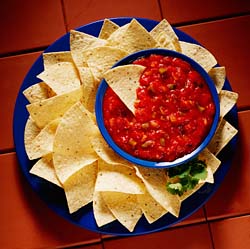
Let’s watch some FOOTBALL! And, eat some delicious and spicy chili, salsa, guac and chips – the perfect SUPERBOWL FOODS!
They taste so good, no one will know they’re healthy. It’s called: THE “STEALTHY” HEALTHY SUPERBOWL PARTY!
Most guys I know love to watch football – even some gals. Left to their own devices, though, the food of choice may be chips, dogs, or other junk food. Here’s a way to go on the defense and tackle those calorie-laden, beer-belly-creating, artery-clogging snacks…
PIZZA, FOOT-LONG SUBS, SAUSAGES, FRIED AND BATTERED WINGS (150 calories each!) – they’re all popular sports-watching snacks. It’s what’s easy- and people are used to them. But I’ve found that when you serve healthy, tasty alternatives, they’re just as happy – just don’t announce it to everyone! In fact, words like “healthy” or “diet” are a huge turn-off for anyone – at any age – who loves good food. “Delicious!” is much more inviting. No one will know the difference, I promise! My experience is that your football lovers (uh, fanatics) will love these “stealthy, healthy” foods…
“Katherine’s Chili Non Carne” is an all-around favorite. Serve it with whole grain chips (yes, they’re fine this one time!), and add a few more bowls for dipping of Nonfat Greek Yogurt: NO ONE will know it isn’t sour cream, I swear! Fill other bowls with “Katherine’s Fresh Salsa” and “Guacamole.”
Grill beef or pork tenderloin, either as a roast or cut up on skewers, grill or broil veggies such as mushrooms, peppers, potatoes, eggplant… Make them crunchy on the outside and soft on the inside. They’ll taste as good as french fries – and this is coming from a french fry lover (yes, I must admit)!
What’s not to love? The Washingtonian agrees!
Katherine’s Chile Non-Carne
(excerpted from Diet Simple)
Try making this recipe a day ahead of time so the flavors and textures have a time to develop. I love this simple, quick chili recipe. It’s meatless but you don’t miss the meat because it’s so flavorful. You should use the amount of garlic or chili powder that appeals to you. I like it hot and spicy! I double the recipe, using a whole pound of dried black beans, so I have plenty for the week. I use this dish as a lunch or dinner alongside a green salad. I also serve it at parties as a dip next to my fresh tomato salsa, nonfat Greek yogurt, and guacamole. It’s perfect rolled up in a tortilla or stuffed in a taco with some reduced fat cheese. Great for informal super bowl or Halloween parties.
Serves 4
1 Tbsp Olive or Canola Oil, or more
1 Large Onion, Chopped
3 Large Garlic Cloves, Minced (more or less)
3 Tbsp Hot Chile Powder (try 50/50 Chipotle Chile, maybe a dash of smoked paprika, called “Pimenton,” and just a pinch of cinnamon)
1 Large Fresh Green Pepper,
Chopped1 28- oz. Can Italian Plum Tomatoes, chopped, including the liquid
1 Pound Can Kidney or Black Beans, whichever is preferred
1/2 Cup Water (To Hydrate the Bulgur)
1/2 Cup Bulgur (Cracked Wheat)
2 Seeded Jalapeno Peppers, chopped, if desired
Salt and Pepper to Taste
Saute the onions and garlic in the oil over low heat in a large pot until soft, 15 or more minutes. Add the chile powder and simmer for a few more minutes. Add the Fresh Green Pepper and cook until al dente. Meanwhile, soak the bulgur in the boiling water for 15 minutes. Add all remaining ingredients including the bulgur and simmer slowly over low to medium heat until flavors are well blended and vegetables are cooked to the desired consistency … a few minutes or longer, if desired. Adjust seasonings to your preference. Since many canned items were used, additional salt will probably not be needed.
Calories per serving 320, Total Fat 7g, Saturated Fat 1g, Carbohydrate 59g, Fiber 13g, Protein 12g
Katherine’s Spicy Fresh Mexican Salsa with Mild Guacamole
(excerpted from Diet Simple)
Katherine’s Spicy Mexican Salsa
22 servings
Ingredients
1 large onion, peeled and chopped (about ½ pound)
2 lbs fresh tomatoes, peeled, seeded and chopped (start with about 3-1/2 lbs) (Use canned tomatoes, if good tomatoes aren’t available)
3 – 4 jalapeno peppers (1 – 2 ounces), to taste
¼ cup chopped fresh cilantro
½ tsp salt, or to taste
3 – 4 Tbsp fresh lime juice (1 – 2 limes)
Add the onion to the tomatoes. Finely chop 2 of the jalapeno peppers to start with. Taste. If you desire more heat, add 1 – 2 more jalapenos. Mix in the cilantro. Add the salt depending on your taste. Mix in the lime juice.
20 calories, 0 g fat, 5 g carb, 1 g fiber, 1 g protein
Katherine’s Guacamole
12 Servings
Ingredients
2 ripe avocados
1/3 cup chopped fresh cilantro
2 Tbsp lime juice
¼ tsp salt, or to taste
freshly ground black pepper, to taste
Cut avocados in half lengthwise and pull out the pits. Scoop out the meat. Place ina medium bowl and mash, keeping some large chunks. Mix in the cilantro, lime juice and salt. Taste to adjust seasoning.
50 calories, 5 g fat, 1 sat fat, 3 g carbs, 2 g fiber, 1 g protein
Healthy Treats for your ‘Sweets’? Eat it and Weep!
- At January 26, 2011
- By Katherine
- In News, Recipes
- 0
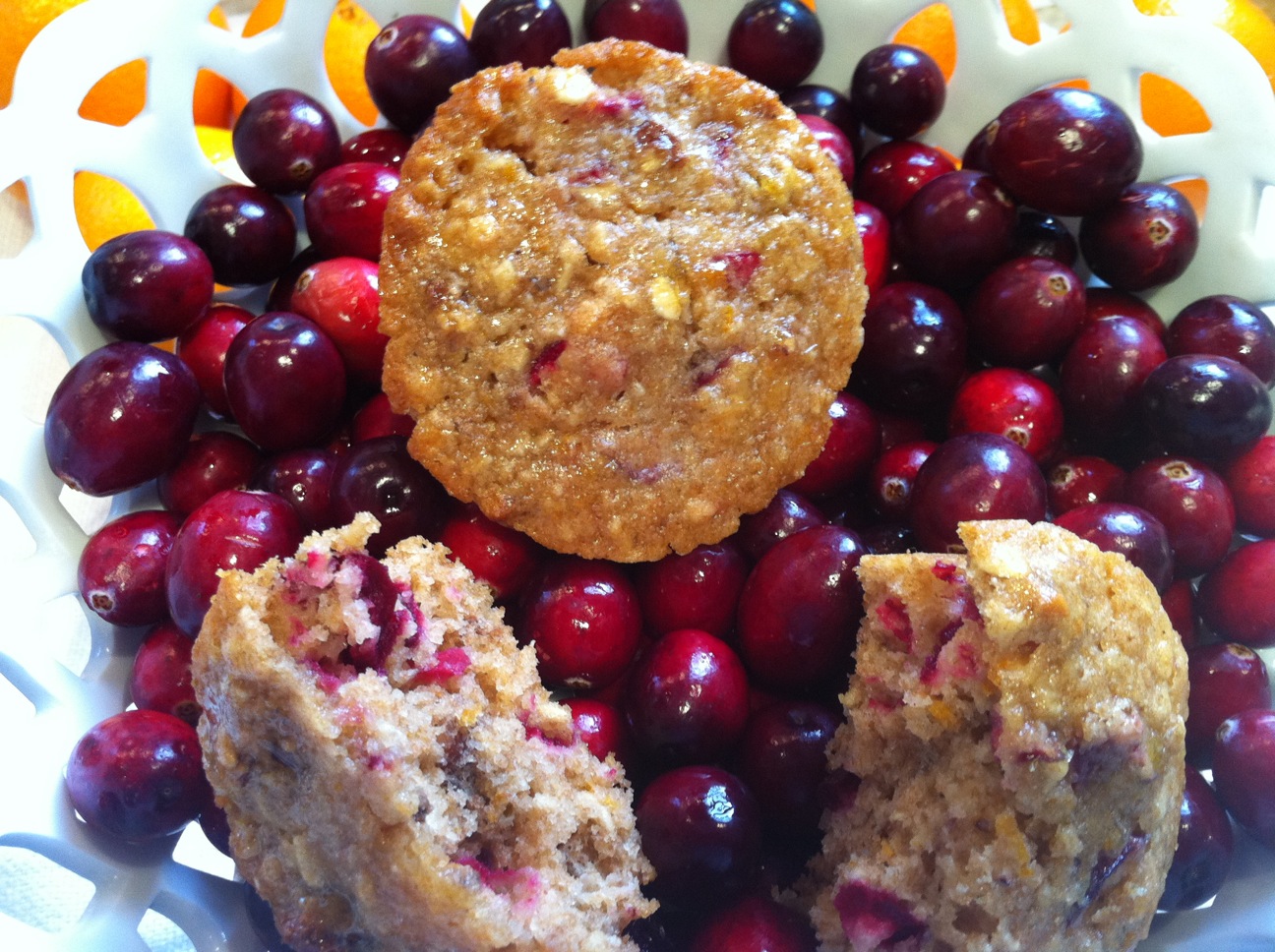 BUT DOES MY RECIPE TASTE GOOD? For those of you out there who are skeptical that a 100% whole grain, 100% healthy fat muffin is incredibly delicious, good enough to get you and your sweetie excited – eat it and weep!
I hate to bore you with why you want to make your treats healthy for your sweetie. But… I’d like to make a few points so you’ll stop using white flour and butter forever! (Did I say that?)
First, Do you care about blood flow (ahem)? Second, do you care about a beating, healthy, strong heart? Third, do you want your sweetie to live a long, vigorous life?
The U.S. Dietary Guidelines are coming out soon, and they will be sharing the news of the importance of eating whole grains and liquid oils… The scientists said the following about CARBOHYDRATES:
“Most American, because they are largely sedentary, should decrease high calorie carbohydrates, especially refined, high-calorie, sugar-dense foods and beverages, desserts, including grain-based dessert (read: muffins, among others) and grain products low in nutrients. Staples in the diet should be fiber rich carbohydrate foods such as whole grains, vegetables, fruits, cooked dry beans, and peas.”
They said the following about FATS:
“To reduce the burden of cardiovascular disease (CVD) and type 2 diabetes (T2D), Americans should limit their saturated (solid) fat intake, and substitute them for mono- or poly-unsaturated fats (oils). They should avoid trans fats from industrial sources. They should eat two servings (4 oz cooked) of low-mercury seafood per week, which provide omega-3-fatty acids (EPA and DHA), but especially DHA during pregnancy and lactation.”
Okay, now that you’ve read your lesson, here’s my recipe:
Cranberry – Orange – Toasted Walnut Whole-Grain Muffin
12 Muffins
1 1/2 cups (6 ounces) King Arthur Traditional Whole Wheat Flour or King Arthur 100% White Whole Wheat Flour
3/4 cup (2 5/8 ounces) quick-cooking oats (I pulverized Old Fashioned Rolled Oats in the food processor)
1/4 cup (1 3/4 ounces) buttermilk powder or nonfat dry milk
2/3 cup (4 5/8 ounces) sugar
2 teaspoons baking powder
¼ to ½ teaspoon baking soda (I’ve been advised to add this by a baking expert)
1/2 teaspoon salt
1 cup fresh or frozen cranberries,* chopped (I used fresh)
1/2 cup (2 ounces) chopped pecans or walnuts (I toasted them)
1 tablespoon orange zest (finely grated orange peel)
2 large eggs
3/4 cup (6 ounces) milk (I used buttermilk)
1/3 cup (2 1/4 ounces) vegetable oil (I used Canola Oil)
Glaze
2 tablespoons (1 ounce) orange juice
3 tablespoons (1 1/4 ounces) sugar or 1 cup (4 ounces) confectioners’ sugar, sifted
*For a sweeter muffin, substitute 1 cup sweetened dried cranberries.
Preheat the oven to 375°F. Grease the wells of a muffin tin, or line with papers, and grease the inside of the papers.
Muffins: In a medium-sized bowl, whisk together the dry ingredients, then stir in the cranberries and nuts. Whisk together the orange zest, eggs, milk, and oil or melted butter. Add the wet ingredients to the dry ingredients, stirring until blended; don’t beat, or your muffins will be tough! Fill the muffin cups or liners about 3/4 full.
Bake for 18 to 20 minutes, until they’re golden brown. Remove them from the oven, leave them in the pan for 5 minutes, then take out of the pan and transfer them to a rack to finish cooling.
Glaze: In a small saucepan or the microwave, stir together the glaze ingredients. Bring just to a boil, to dissolve the sugar. Dip the tops of the warm muffins into the glaze. Yield: 12 muffins.
This muffin recipe came from King Arthur Flour
Jack LaLanne: Champion of Fruits and Vegetables
- At January 24, 2011
- By Katherine
- In News
- 0
 Jack LaLanne, gone at age 96. Fitness Guru and Champion of Fruits and Vegetables in the 1950s and 1960s, he was a man ahead of his time. He advocated physical activity and consuming fruits and vegetables before the science proved just how important it all was. In fact, I believe if America had gotten on the fruit- and vegetable-eating bandwagon in the 1960s, instead of on the convenience-and-processed-food bandwagon, we would not have today’s obesity epidemic.
Two-thirds of adults and one out of three children are overweight or obese.
“The obesity epidemic is the single greatest threat to public health in this century,” according to the 2010 Dietary Guidelines Advisory Committee. The scientists lament that part of the cause is Americans are not eating enough fruits and vegetables.
“Specific behaviors contributing to weight gain: Too much TV watching, too little physical activity, eating out frequently, snacking on high-calorie foods and drinks, skipping breakfast, and eating large portions,” said the scientists.
“To counter these behaviors, people need to understand their calorie needs and the calorie content of foods, eat mindfully, replace high-calorie, high solid-fat foods with nutrient-dense foods such as vegetables, fruits, whole grains, and lowfat milk products,” added the scientists in their 2010 report prepared for the U.S. Dietary Guidelines, coming out soon.
Read about Jack LaLanne’s Five Tips that have stood the test of time.
Photo: AP
Cold- and Flu-Fighting Foods
- At January 22, 2011
- By Katherine
- In Articles, News
- 0
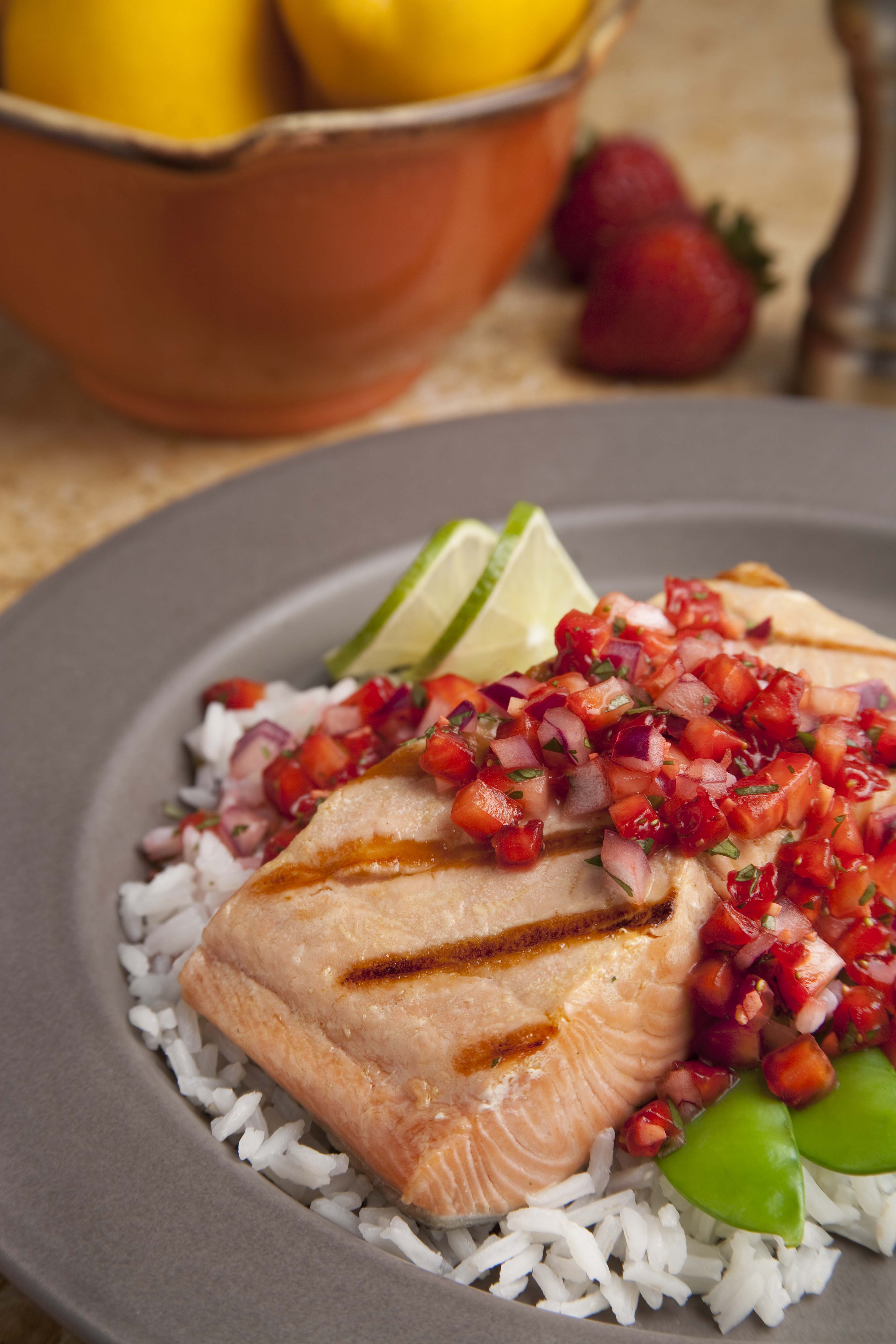
CA Strawberry Commission
What you eat profoundly affects your ability to fight disease. With all the nasty bugs going around this cold and flu season, it’s especially important to pay attention to boosting your immune system through nutrition. While every nutrient is important in your body’s ability to prevent and fight disease – from colds to cancer – certain nutrients play key roles. Eat foods high in these nutrients every day:
Protein
Protein is one of the most important nutrients in the human body, second only to water. The antibodies which protect your body against pathogens are made of protein, so without enough protein, your body has no chance. Eat protein at every meal. It is in a wide range of foods. Animal protein is in seafood, dairy, meat, poultry and eggs. Vegetarian protein can be found in legumes, soy, vegetables and grains.
Probiotics
The beneficial bacteria in live, active yogurt cultures may protect against infection-causing toxins, improve colon health, protect the intestinal lining, and strengthen immunity.
Fats and Oils
The type of fat you eat can improve the effectiveness of your body’s immune response because fat ends up in all of your body’s cell walls. To maximize your immune response, use oils in your cooking, instead of solid fat such as butter, stick with foods high in heart-healthy oils, such as nuts, avocados and seafood, which is high in omega-3-fatty acids.
Beta Carotene
Orange and deep green veggies and fruits, particularly…Carrot juice, carrots, butternut squash, pumpkin (or any orange-colored winter squash), sweet potato, greens such as spinach, collards, kale, turnip greens, beet greens, orange melons such as cantaloupe, red peppers, apricots, broccoli, plums, mangos papayas, plantains, Brussels sprouts, watermelon, asparagus
Vitamin C
Citrus fruits such as orange, lemons and grapefruit, peaches, sweet and hot peppers, papayas, pineapple, strawberries, broccoli,kiwi fruit, sweet potatoes, Brussels sprouts, kohlrabi,
Zinc
Oysters, lobster, crab, clams, fortified whole grain cereals, beans (legumes such as lentils, chick peas, black-eyed peas, soy beans, kidney beans, limas, pintos), turkey, lean beef and pork, whole grains such as buckwheat, whole wheat, cracked wheat (bulgur), oats, whole grain cornmeal, wild rice, yogurt, pine nuts, sunflower seeds, mixed nuts, peanuts
Magnesium
Whole grains such as buckwheat, wheat, oats, cornmeal, barley, brown rice, Also soybeans, pumpkin seeds, brazil nuts, cashews, greens such as spinach, beet greens, fish such as halibut, haddock and flounder and sole species, beans (legumes such as black beans, white beans, soy beans, navy beans, limas, black-eyed, great northern, kidney, chick peas,. lentils)
Vitamin E
Sunflower seeds, almonds, sunflower oil, safflower oil, canola oil, hazelnuts, pine nuts, spinach, turnip greens, beet greens, dandelion greens, canned pumpkin, carrot juice, broccoli, sweet potato, sweet red peppers, mangos, papayas
Vitamin D
New research indicates Vitamin D may augments the body’s ability to eliminate disease-infecting microbes. We get it from the sun and a few foods: fatty fish, egg yolks, fortified milk, orange juice, and cereals.
Cranberries
Have antibacterial qualities. Eat them dried for the highest levels of nutritious compounds.
White Mushrooms
Research at Tufts University shows white button mushrooms boost the immune system
Immune-Boosting Eating Strategies
* Eat a lean protein source at every meal – including breakfast, lunch and dinner. 20 grams for women and 30 grams for men is the amount most bio-available per sitting.
* Eat 5 cups of fruits and veggies per day – especially colorful varieties, eat at every meal and snack
* Eat a vegetarian meal every day using beans or soy beans for protein,
* Eat fish high in omega-3-fatty acids, such as salmon, herring, anchovies and sardines, at least two to four times per week, and vegetarian sources such as walnuts, ground flax seeds and canola oil,
* Use canola oil in your cooking and a fresh, newly harvested olive oil for drizzling,
* Eat whole grains at breakfast (such as cereal with skim milk or soy milk) and with sandwiches or wraps at lunch,
* Snacks: Try fat-free yogurt and fruit, fat-free yogurt dip or hummus with veggies,
* Toss nuts/seeds/dried cranberries in your whole grain cereal, your salad or your afternoon yogurt snack
* Skim milk or Soy lattes or teas are great snacks, too…
* Take a multivitamin-mineral supplement daily.
* Take a Vitamin D Supplement so that you are getting 1,000 to 2,000 IU/day
* If you are over 50, but particularly 65, look into supplementing your diet with Vitamin E, Vitamin B12, Zinc and probiotics such as lactobacillus in yogurt.
Of course, don’t forget to keep your blood moving by being moderately physically active with plenty of walking, yoga, etc. Get plenty of rest, wash your hands frequently, drink fluids (especially warm fluids which will send light steam into your nasal passages) and spend time with friends and loved ones. Studies have shown these habits increase your ability to conquer diseases – from colds to cancer.
Mindfulness in Eating and Living
- At January 09, 2011
- By Katherine
- In Articles, News
- 1

Mindfulness Through Yoga – Katherine doing a side plank
“There are many health benefits to being more mindful,” says Jack Killen, MD, Deputy Director of the National Institutes of Health’s National Center for Complementary and Alternative Medicine.
Meditation – and similarly centering prayer – for the religious among you, establishes pathways in the brain which improve impulse control, helping you work through problems and decisions more effectively. This simple, yet powerful, tool can transform your health and your life as it helps you make the decisions you need to make your life more satisfying, for instance, decisions about eating and exercise can be done more thoughtfully and purposefully..
In the Diet Simple chapter, “How to Beat Emotional Eating,” I give you a step-by-step guide to understanding how your feelings influence your eating.
The following are excerpts from a recent interview with Jack Killen explaining how meditation works to help you regulate your emotions, so you can reign them in to make healthier decisions for your long-term benefit:
Katherine: What is mindfulness?
Dr. Killen: Mindfulness is the ability to be present, more focused, and clear; for concentration to be more sustained, and for attention to be on what’s happening, instead of on thoughts, memories, and associations.
Katherine: Why is it important to be mindful? What are some scientifically proven benefits?
Dr. Killen: There is neurobiological research demonstrating that mindfulness engages pathways in the brain associated with emotion and impulse control, attention, and focusing. It allows your brain to be focused on what is here and now so you are better able to respond to situations appropriately. People who are more mindful are better able to handle emotional situations in more appropriate ways, are more able to think through a problem, are less likely to be distracted by issues that won’t help… There is evidence that you improve at mental tests, that emotion regulation is better and more appropriate, blood pressure is lower, stress hormones are lower, thereby reducing stress.
Katherine: How can one become more mindful? I understand prayer or meditation may be helpful?
Dr. Killen: There is a lot of evidence accumulating that meditation in all of its forms has beneficial physiological effects. Meditation is a way of exercising neurological pathways in the brain which help us become more mindful. But it is a bit like going to the gym and working out your muscles. It takes time and practice for the beneficial brain pathways to become established, similar to building muscular strength and flexibility.
Katherine: What are some examples of meditation which may have these kinds of emotional and behavioral benefits?
Dr. Killen: There are many ways you can train your mind to be more mindful. The jury is still out as to whether one is better than another. More likely, certain types of meditation will work well for certain people, and other kinds for other people. We are still working on how to measure and study meditation.
There are several types of meditation. “Mantra” meditation is repeating a phrase, or something with deep meaning over and over, or focusing on a candle, for instance. “Mindfulness” meditation is focusing on what is happening now instead of on thoughts, memories, and associations.
Katherine: Are yoga, tai chi, and other forms of exercise considered good ways to achieve mindfulness?
Dr. Killen: While mind/body interventions are difficult to research, there are some encouraging data. Yoga and meditation are intertwined in many ways. Studies suggest yoga is useful in increasing lung capacity, improving mood, well-being, posture, and there are similar benefits with Tai Chi. But there is a larger body of research on meditation and its benefits.
Katherine: Is there scientific evidence that these mind/body interventions such as meditation or yoga will promote healthier lifestyles?
Dr. Killen: This is what we are studying at the Center for Complementary and Alternative Medicine. Getting definitive answers to those questions through rigorous scientific research could make these kinds of health interventions more widely available. Important work going on right now is defining research methods. We need to understand, for instance, which yoga postures (“asana”) benefit your health and in what specific ways? If we want to make health interventions more widely available and accepted, we need to be able to describe their effects better, thus magnifying their benefits. We are currently studying if these mind-body interventions are a means to help people with metabolic syndrome, if they’d be useful in weight-control programs, helping people eat less, or more healthfully.