
Yogurt: The New and Improved “Once-A-Day-Keeps-The-Doctor-Away” Superfood!
- At August 15, 2026
- By Katherine
- In Aging-In-Place, Articles, News, Recipes
 0
0
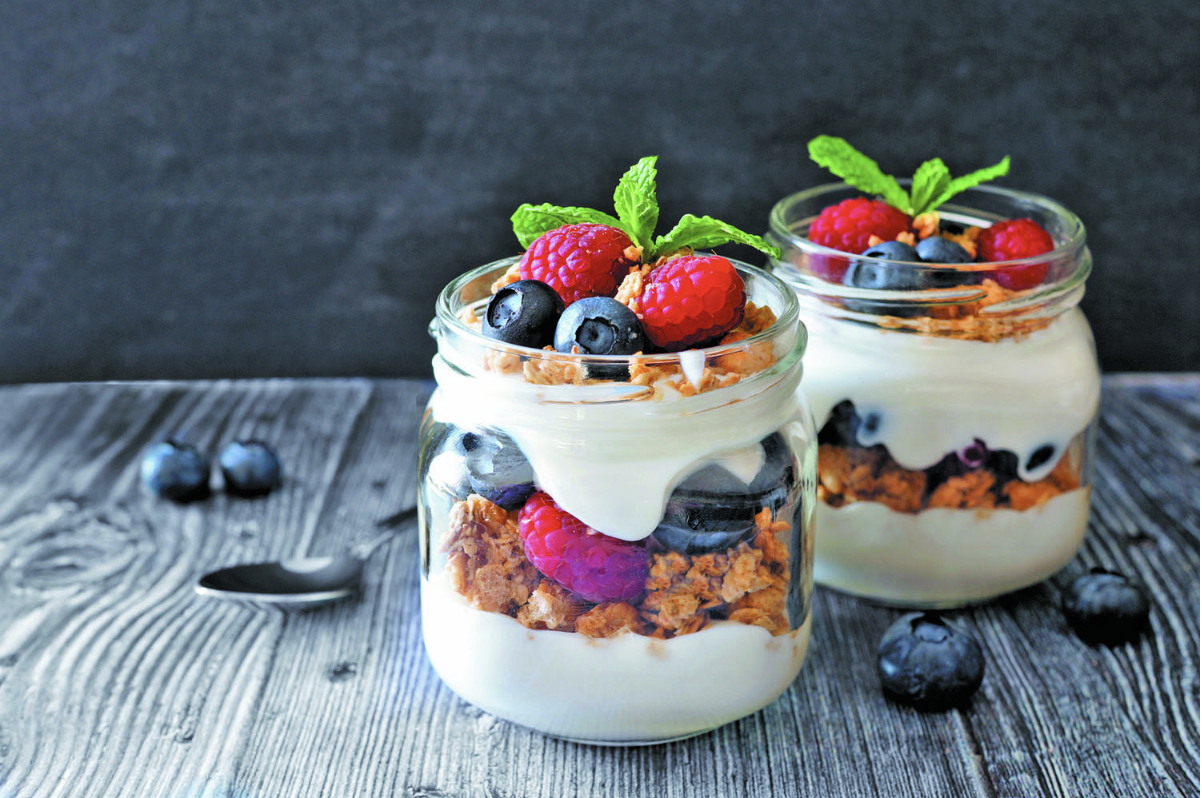
While our grandmothers told us that an apple a day keeps the doctor away, modern science begs to differ. Move over apples – There’s a new boss in town. YOGURT!
For years, I wondered why my clients, who I encouraged to eat yogurt, lost weight more easily – while also increasing muscle. They said they felt more energetic, too. Scientific research is now backing my observations of 30+ years.
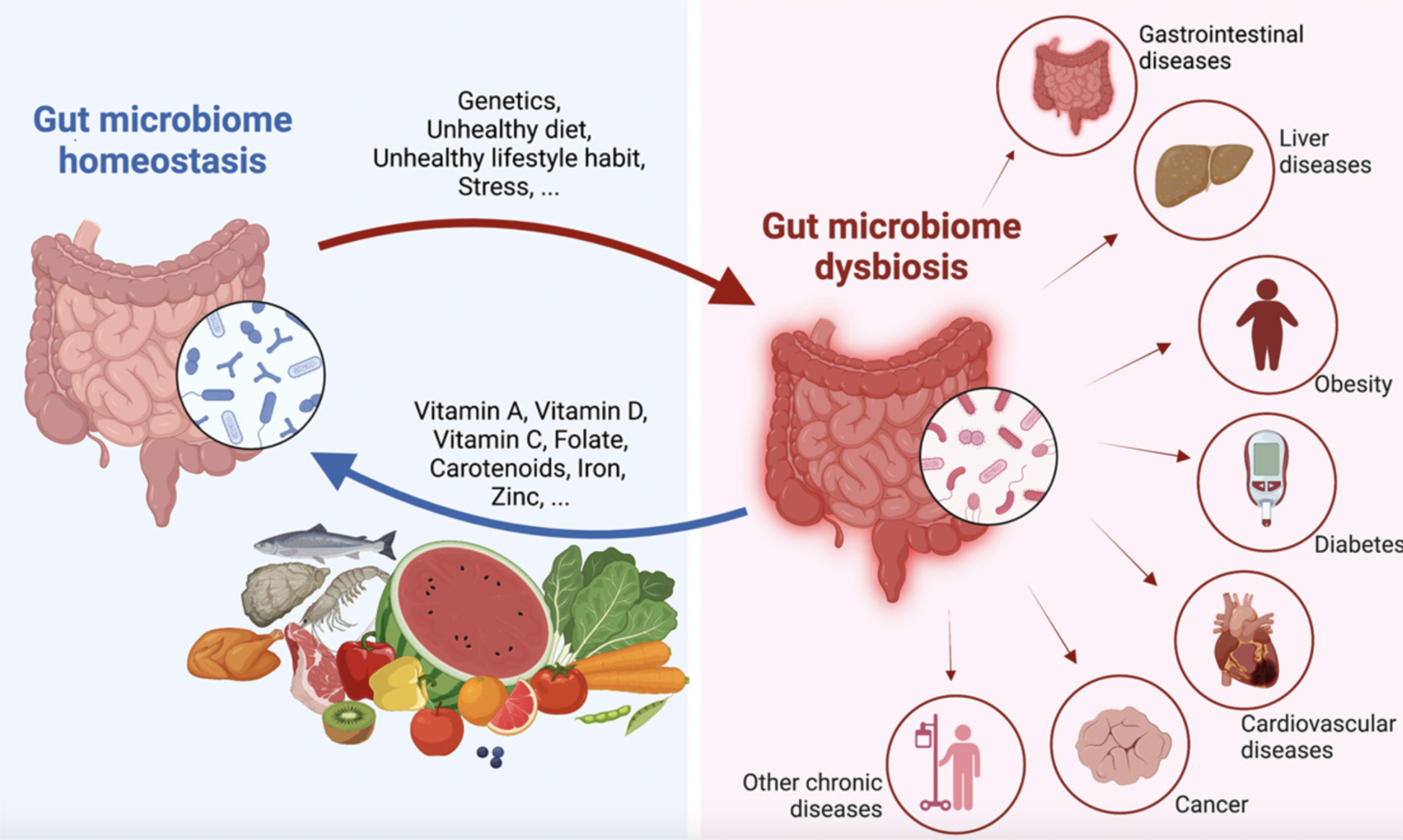
Around 2010, I attended a three-day National Institutes of Health consensus conference presenting all of the research to date about the human gastrointestinal tract’s microbiome, that is, its microscopic “ecosystem” of cells. By 2010, a wealth of new data had found that its effects were so vast and profound, it could make – or break – your health.
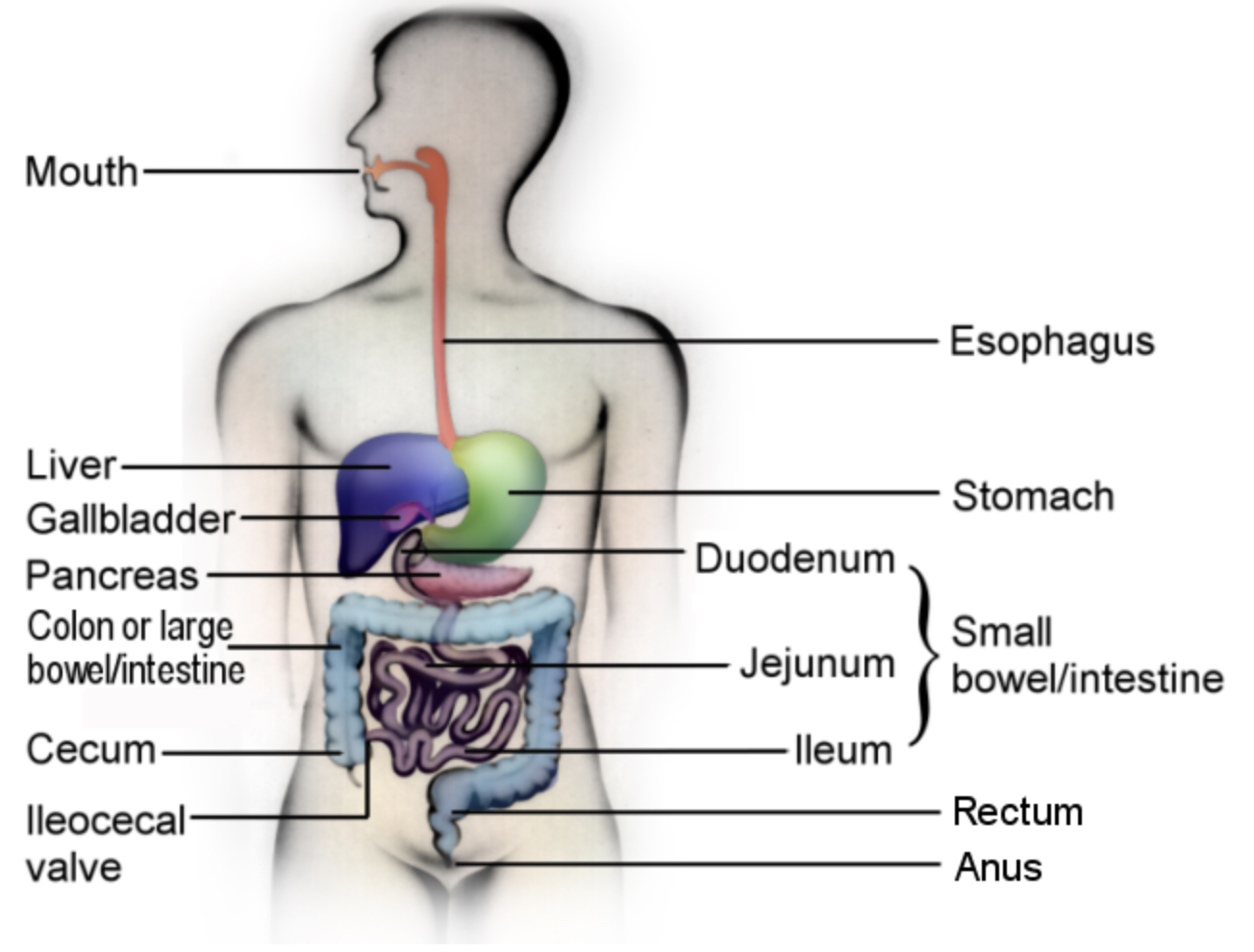
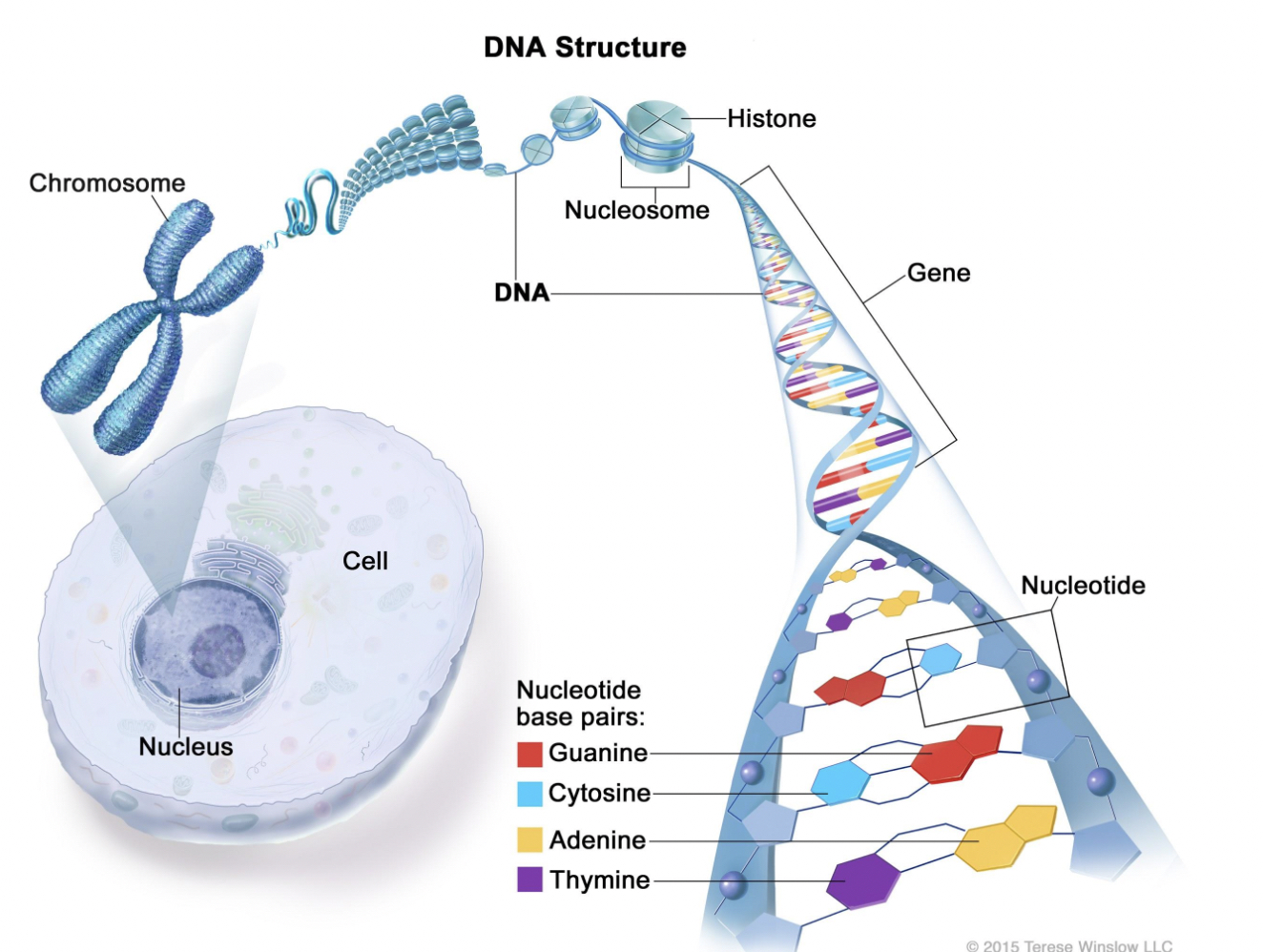
Your body contains human cells and microbial cells (microbes). The human’s gastrointestinal microbiome also contains both types of cells. The major difference is that human cells contain genetic material inside its nucleus. Whereas microbial cells – what I’m discussing in this article – which includes bacteria, archaea, fungi, protists, and viruses, do not. Both microbial cells and human cells play critical roles in your health. Our bodies have 10 trillion human cells, but, at 100 trillion, there are 10 times that amount of microbial cells. Given the enormous number of microbial cells, or bacteria, their effect is immeasurable, and extremely influential. That said, you must make sure your healthy microbial cells outnumber the dangerous ones – big time! Here’s the full story…
There are healthy, beneficial microbes and unhealthy, dangerous types. The most dangerous microbes, the ones that cause disease, are those that are easily transmitted. They are virulent, and invasive to central organs like the blood and lungs. They’re survivors. They have a low infection dose, and are without any specific treatment or vaccine. Most of them are transmitted from animals or insects. The most dangerous microbes cause a very high death rate, are identified as high-risk agents or “biohazard-level 4” agents, and are treated at the highest level of infection protection, with strict isolation measures: Think COVID.

But most of the time, microorganisms live in harmony with their human hosts, providing vital functions essential for survival. Microbes inhabit just about every part of the human body, living on the skin, in the gut, and up the nose. They are essential for good health.
If infants are born naturally, as opposed to a cesarean delivery, and if they are breastfed, they start their lives with the highest number of healthy microbes. Whereas, their cesarean section, bottle-fed counterparts don’t develop those advantages. The higher amount of beneficial microbes give them a superior immune system, better health, and a high level of safety from numerous communicable, and non-communicable diseases in early life. That’s because the birth canal, and breast milk, contain a host of beneficial microbes that are impossible to regain as adults.

The infant’s microbial advantages continue later in life, too. Even as adults, they provide numerous advantages over people who were bottle fed, and cesarean born. The lack of those healthy microbes correlates with inflammation, and a number of illnesses, potentially effecting every organ in the body. This increases your risk for the metabolic syndrome, a group of conditions – insulin resistance, a precursor to diabetes, high blood pressure and cholesterol – and a host of other illness. More than five decades of established research has found that, if babies are not breastfed, it correlates with overweight and obesity (I learned this in college, though that was NOT 50 years ago, I’ll have you know!). The metabolic syndrome increases your blood levels of insulin, a known “growth factor.” Growth factors increase inflammation and unchecked cellular growth (cancer). Growth factors increase your chance of illnesses that can effect every organ in your body, including coronary heart disease, colon, breast prostate cancer, eye conditions, reduced bone mass, and more.

Aging is also associated with fewer beneficial microbes. Aging affects virtually all tissues and cellular circuits in our bodies resulting in frailty and death. Not only aging, but other factors, such as overweight, obesity, inactivity, and stress, also decrease beneficial microbes, leading to inflammation, compromised immune systems, susceptibility to acute and chronic illnesses causing sicknesses, hospitalizations and even death. They include infections of every type, colds, flu, COVID, reductions in vaccine effectiveness, food borne illnesses like salmonella and E-Coli, bone loss, even mental illness. To counteract those disadvantages, living a healthy lifestyle makes a significant positive difference.
THE POSITIVE NEWS

That said, you can still achieve a healthy gut filled with beneficial microbes, even if your mother required a cesarian section, or couldn’t breast feed. .
YOUR DAILY PRESCRIPTION
However, an exceptional diet and lifestyle are necessary to make up for those disadvantages. The most important foods to eat are those that naturally contain probiotics, namely, dairy yogurt, and possibly the new non-dairy varieties. Also, dairy, and non-dairy kefir. Both are the only foods associated with significant health benefits. Probiotic supplements, and foods/drinks with probiotics added, haven’t been studied adequately to determine their effectiveness. Yogurt and kefir have been found to improve wound healing, recovery from illnesses, reductions in inflammation, colon, breast and prostate cancers, and eye diseases. They have also been found to decrease the risk for conditions caused by inflammation, like Alzheimer’s, cardiovascular disease, osteoporosis, irritable bowel syndrome, diarrhea and/or constipation, bone and dental health, infectious diseases, and others.
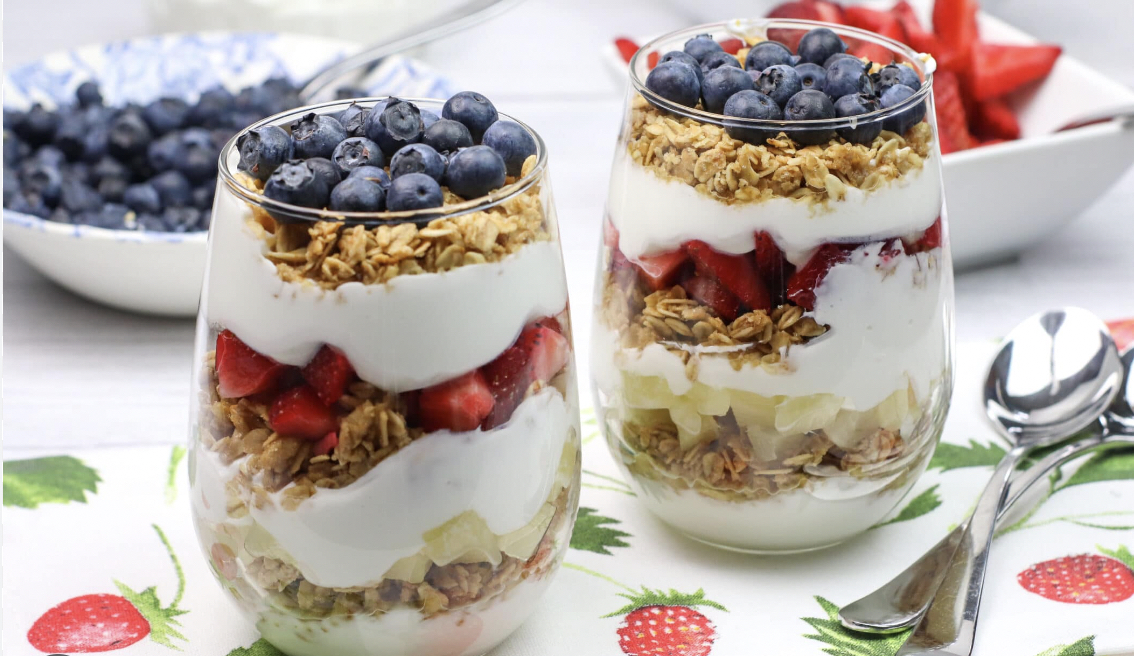
But probiotics can’t work alone. To be effective, you also need foods containing prebiotics to create the healthy gut you need. Prebiotics nourish probiotics. Together they form the critical prebiotic/probiotic duo creating a microbiome teeming with healthy microbes that achieve the superior level of beneficial microbes that fight off chronic and acute diseases. Only then can you achieve maximum health advantages. Prebiotics can be found in various high fiber plant foods as diverse as almonds, agave, barley, wheat, oats, garlic, leeks, onions, flax seeds, artichoke, asparagus, bananas, and more.
Breast milk contains both prebiotics and probiotics, which is why it is so protective.
Problem is, most Americans have an unhealthy diet that increases the damaging microbes in their gut. They don’t eat enough, if any, foods high in either pre- or probiotics. This may explain our high incidence of chronic illnesses.
Based on research, and my own observations, I believe eating yogurt daily is the easiest way to make up for the healthy gut we abused by eating the typical American diet growing up – and even now. Can you imagine anything easier? (besides dreaming, wishing, and hoping?)
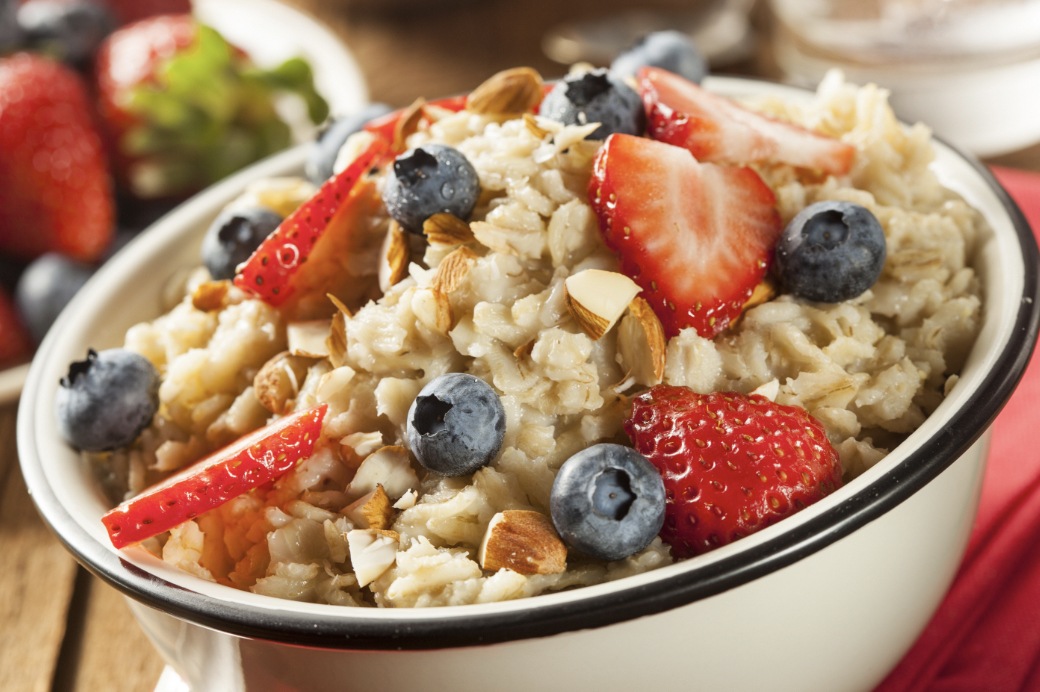
All you need to do is include yogurt, a few veggies, fruits, almonds, or oat-based cereals (Cheerios, oatmeal) here and there. Try “Katherine’s Simple ‘Oatmeal Cookie’ Oatmeal: an Easy Step-by-Step Guide” That Even Your Kids Will Love!. How about this great dessert? “Chocolate Covered Peanut Butter & Oat Balls.” It’s a fun activity for you kids, too! (don’t tell anyone it’s healthy)
As of yet, there is no reliable clinical test any doctor can use to measure your gut microbes, or the health of your microbiome. We don’t even know everything that we need to be looking for. The gastrointestinal tract is still quite mysterious and idiosyncratic, so your best strategy is having the best diet and lifestyle habits you can.
I work with many clients with gastrointestinal issues, and their solutions vary widely, but, in my experience, when their nutrition is tailored to their individual needs, their lifestyle, and medical condition, a personalized nutrition plan makes a profound difference – virtually to a person.
If you think you don’t like yogurt, I’ve found that if you do some taste testing and experimenting, you are guaranteed to find one or more that you enjoy. There are savory, and sweet ways to try it.
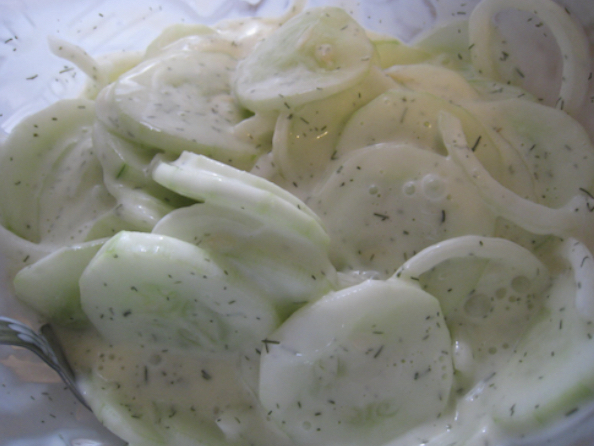
Savory variations: Use Nonfat, Plain Greek Yogurt (my favorite is Fage) in place of sour cream. Make dips, for instance, Onion Dip, by mixing in chopped/minced onions, salt & pepper. How about a spicy dip by swirling in Sriracha sauce. Create an Italian version with pesto. Use it in burritos and tacos. In many parts of the world, yogurt is eaten together with spicy dishes, especially with chopped cucumbers. With curry, and many Middle Eastern dishes, for example. I love placing a dollop on my potatoes (instead of sour cream) and soups. My technique for eating it with soups and savory dishes is to place a little yogurt together with the accompanying food in one spoon. The cool and the hot together are delicious complements to each other. Stirring all of it together, well, it doesn’t bring the added excitement that I crave in my food. Remember to add a little (Iodized) salt & pepper, or it may taste too bland. In the summer, Cool Cumber Soup with Dill or Cilantro, and Swedish Cucumber Salad with Dill are party favorites. In fact, whenever I make my mother’s Cucumber Salad, it disappears quicker than anything else. It can lead to all out war between the party’s, normally civilized, competitors.

Of course, we all know about the sweeter versions. Fruited yogurts, lemon, vanilla, chocolate, you name it. Give all of them a try. ANY yogurt contains probiotics. And please, don’t worry about the small amount of jam in yogurts. Studies show fruited yogurt doesn’t raise blood sugar significantly, so they’re not associated with high blood sugar levels, insulin resistance, or the illnesses that go along with it.
I enjoy it as part of desserts, too. A traditional Swedish meal is crepes with sour cream and lingonberries. But I’ve found that my favorite Fage Greek Yogurt is an excellent, even better, substitute for sour cream. Swedish Waffles, Vanilla Bean Yogurt and Fresh Summertime Peaches/Fruit, while not 100% healthy, still gives me an opportunity to eat yogurt in a delicious way – as an occasional dessert, or decadent breakfast.
After all, everything you eat must be DELICIOUS! That’s the only way we can continue eating healthfully, in a sustainable way.
Make This Delicious Caramelized Cabbage the Focus of Your St. Patrick’s Day Celebration
- At March 15, 2026
- By Katherine
- In Aging-In-Place, Articles, News, Recipes
- 0
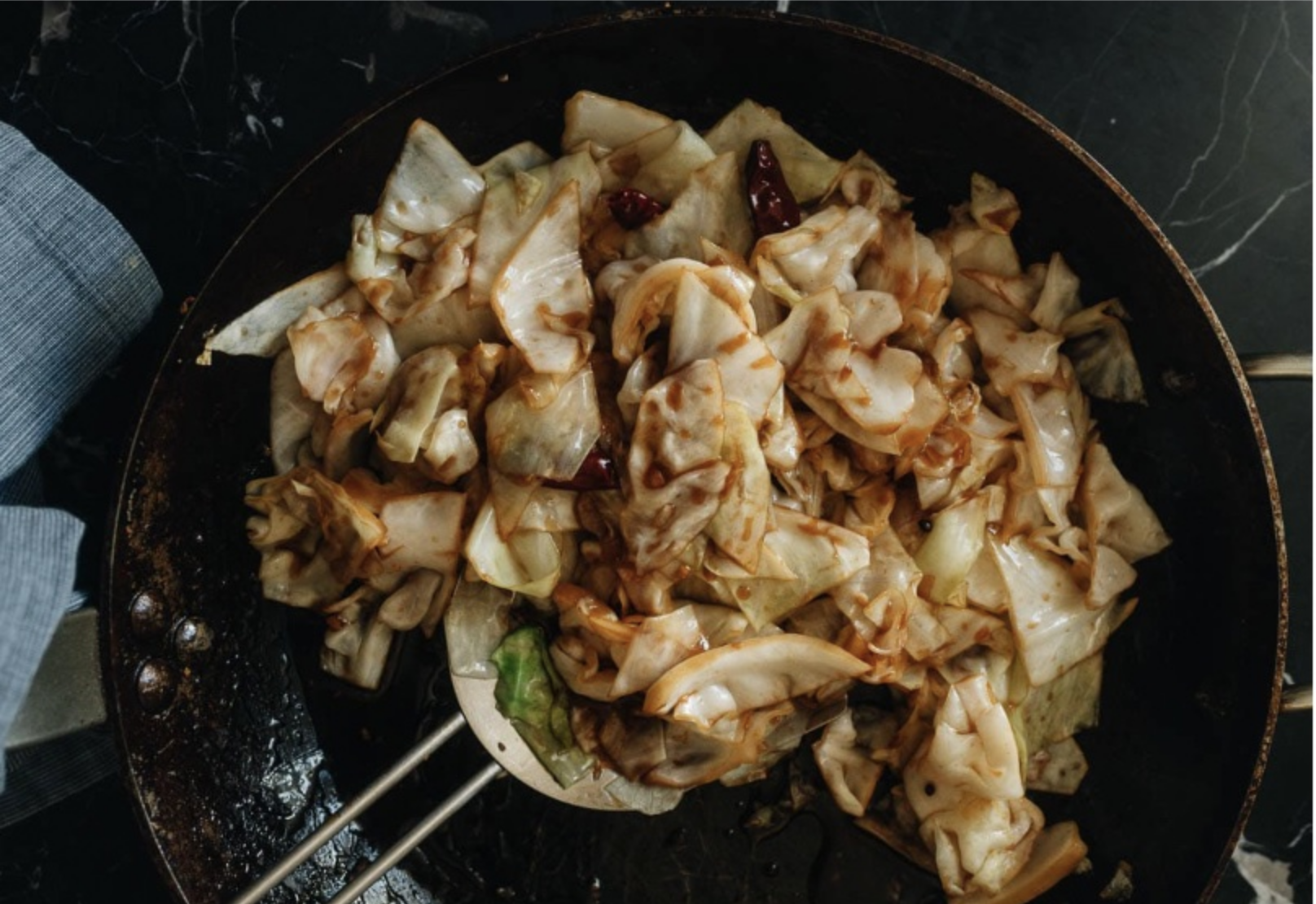
If you are not a lover of cabbage, you will become a boisterous believer after you try this simple preparation that creates a tender, golden brown, naturally sweet dish. But hurry! St. Patrick’s Day on March 17th would be the ideal time to get a taste of the “Luck O’ the Irish.” But any time of the year, it’s a standout. Any time I serve Caramelized Cabbage, my guests ask, “What is this? It’s delicious!” They practically fall out of their seats when I reveal, “It’s sautéed cabbage.”
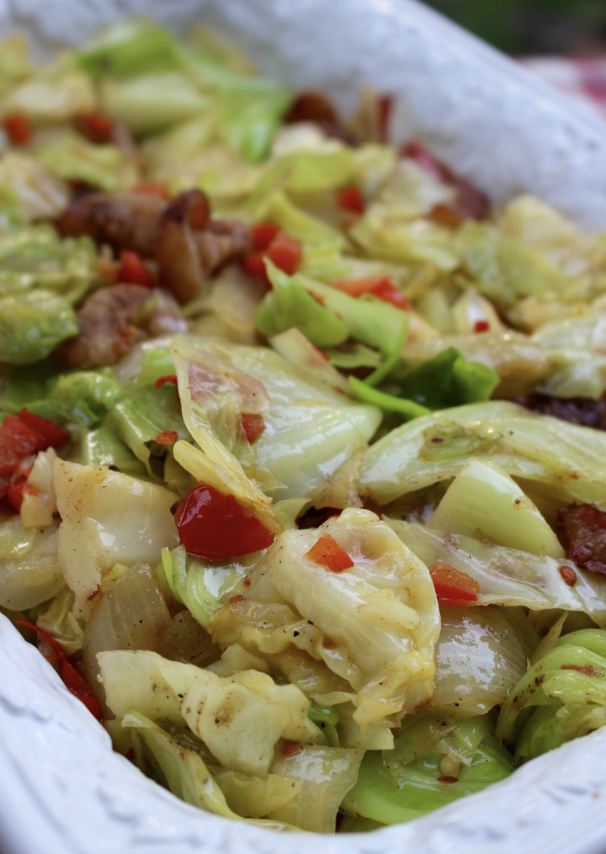
Sautéd Caramelized Cabbage
Ingredients:
1 Head of Cabbage, preferably Savoy or another mild flavored cabbage
2 Tbsp Canola Oil (or more, as needed)
1 Diced Red Bell Pepper for color, if desired
Salt and Freshly Ground Pepper, to taste
Instructions:
Remove the core of the cabbage head, then roughly chop it. There is no need to cut it into strips, or make this a time-consuming task. The cabbage leaves will separate while cooking. Dice the red pepper.
On medium-high eat, add the oil to a large frying pan. Once the oil is hot, add the cabbage chunks. To caramelize any vegetable, and bring out their natural sweetness, the heat must be high enough so that the water that seeps from the cabbage immediately evaporates.
Sauté until golden brown.
Caramelized Cabbage Soup
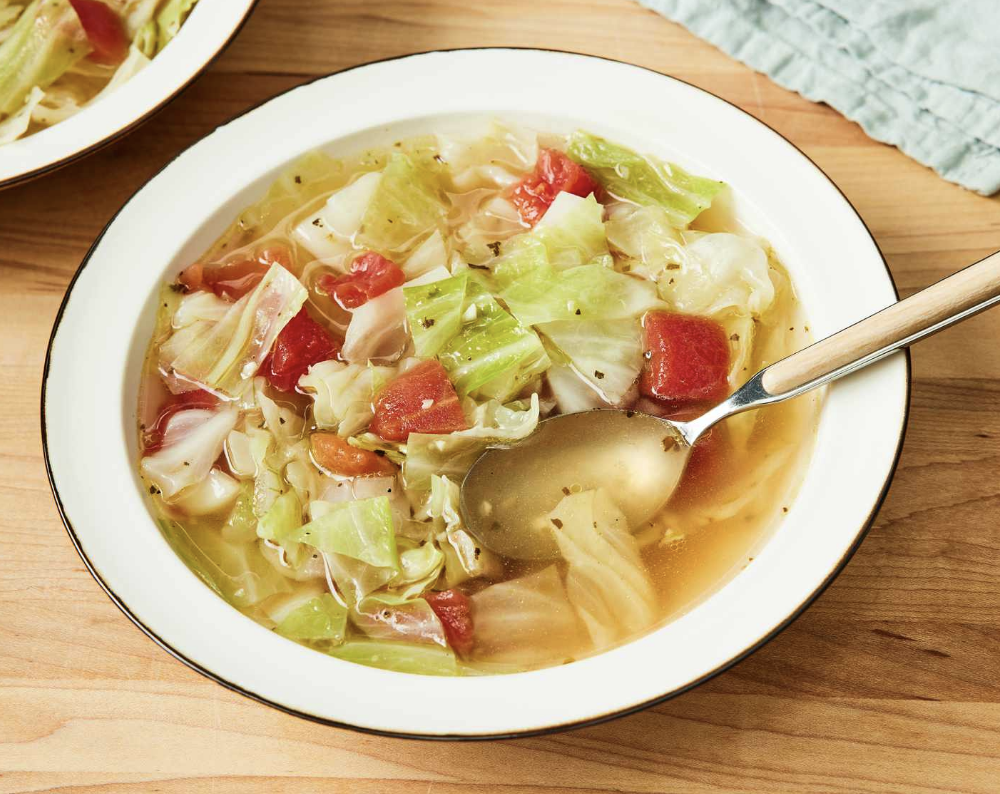
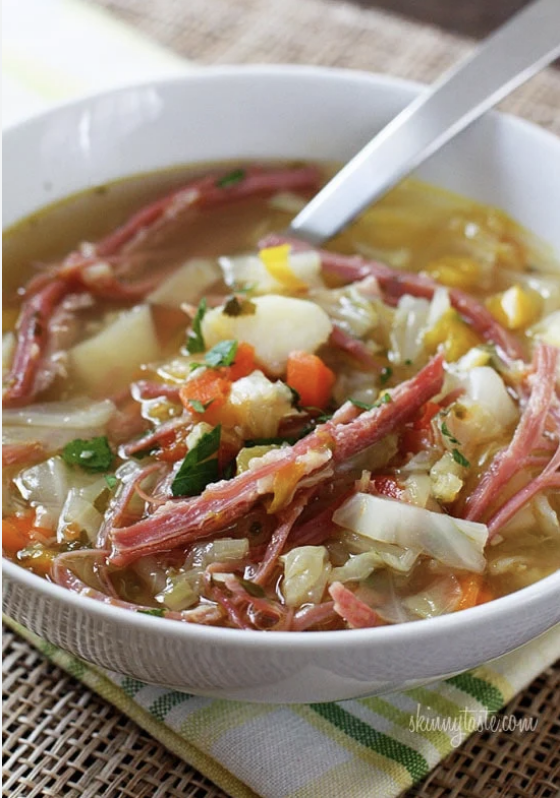
Once caramelized, this cabbage can be used as a side dish, main dish, or in a soup. Simply add it to heated broth. If other vegetables are desired, add them to your pan and sauté them together. Traditional vegetables for cabbage soup would be carrots, onions, celery, garlic and/or potatoes. For St Paddy’s Day, add slices of corned beef.
3 Perfect Super Bowl Party Recipes! Nothing Beats Chili, Fresh Salsa & Guacamole
- At February 04, 2026
- By Katherine
- In Aging-In-Place, Articles, News, Recipes
- 0
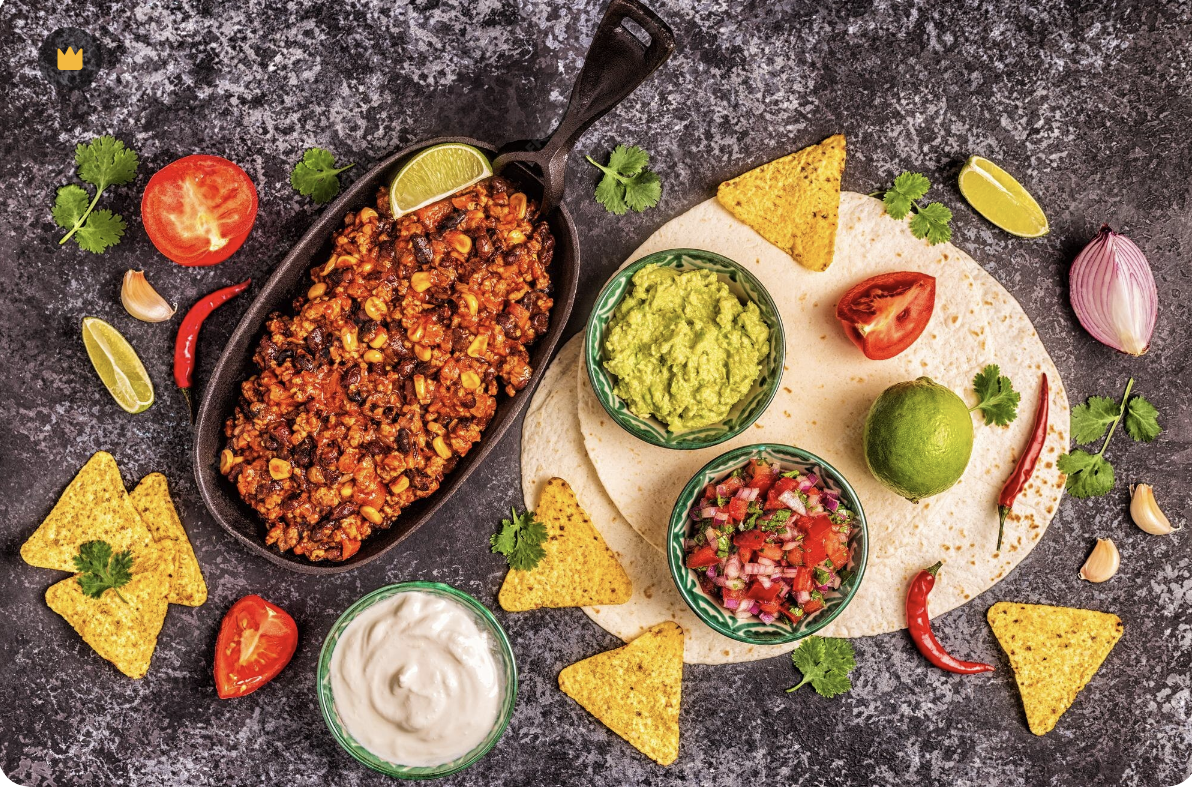
“Katherine’s ‘I Can’t Believe There’s No Meat’ Chili” is an all-around favorite. Serve it with whole grain chips (Yes, they’re fine!), and add a few more bowls for dipping of Nonfat Greek Yogurt: NO ONE will know it isn’t sour cream, I swear! Fill other bowls with “Katherine’s Fresh Salsa” and “Guacamole.”
Katherine’s I Can’t Believe There’s No Meat Chili
(excerpted from Diet Simple: 195 Mental Tricks, Habits & Inspirations by Katherine Tallmadge)
Try making this recipe a day ahead of time so the flavors and textures have a time to develop. Everyone loves this simple, quick chili recipe. It’s meatless but you don’t miss the meat because it’s so flavorful, and the texture is perfect. You should use the amount of garlic or chili powder that appeals to you. I like it hot and spicy! I double the recipe, using a whole pound of dried black beans, so I have plenty for the week. I use this dish as a lunch or dinner alongside a green salad. I also serve it at parties as a dip next to my fresh tomato salsa, nonfat Greek yogurt, and guacamole. It’s perfect rolled up in a tortilla or stuffed in a taco with some reduced fat cheese. It’s the quintessential Super Bowl recipe!
Serves 4
1 Tbsp Olive or Canola Oil, or more
1 Large Onion, Chopped
3 Large Garlic Cloves, Minced (more or less)
3 Tbsp Hot Chile Powder (try 50/50 Chipotle Chile, maybe a dash of smoked paprika, called “Pimenton,” and just a pinch of cinnamon)
1 Large Fresh Green Pepper,
Chopped1 28- oz. Can Italian Plum Tomatoes, chopped, including the liquid
1 Pound Can Kidney or Black Beans OR 2-15oz. cans
1/2 Cup Water (To Hydrate the Bulgur)
1/2 Cup Bulgur (Cracked Wheat)
2 Seeded Jalapeno Peppers, chopped, if desired
Salt and Pepper to Taste
Soak the bulgur in the boiling water for 15 minutes.
Meanwhile, sauté the onions and garlic in the oil over low heat in a large pot until soft, 15 or more minutes. Add the chile powder and simmer for a few more minutes. Add the Fresh Green Pepper and cook until al dente.
Add all remaining ingredients including the bulgur and simmer slowly over low to medium heat until flavors are well blended and vegetables are cooked to the desired consistency … a few minutes or longer, if desired. Adjust seasonings to your preference. Since many canned items were used, additional salt will probably not be needed.
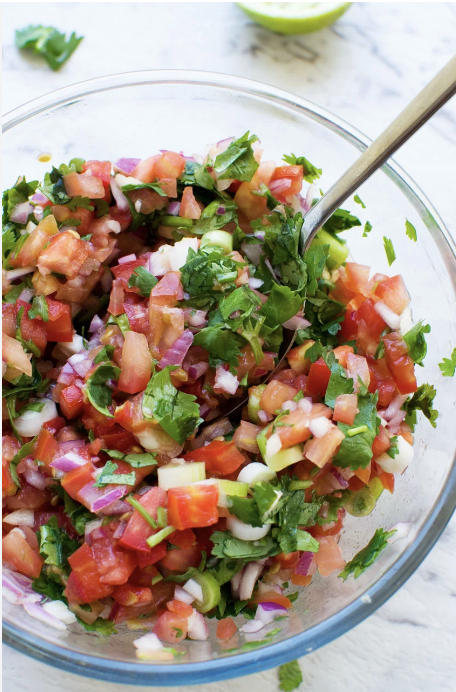
Katherine’s Spicy Mexican Salsa
22 servings
Ingredients
1 large onion, peeled and chopped (about ½ pound)
2 lbs fresh tomatoes, peeled, seeded and chopped (start with about 3-1/2 lbs) (Use canned tomatoes, if good tomatoes aren’t available)
3 – 4 jalapeno peppers (1 – 2 ounces), to taste
¼ cup chopped fresh cilantro
½ tsp salt, or to taste
3 – 4 Tbsp fresh lime juice (1 – 2 limes)
Add the onion to the tomatoes. Finely chop 2 of the jalapeno peppers to start with. Taste. If you desire more heat, add 1 – 2 more jalapenos. Mix in the cilantro. Add the salt depending on your taste. Mix in the lime juice.
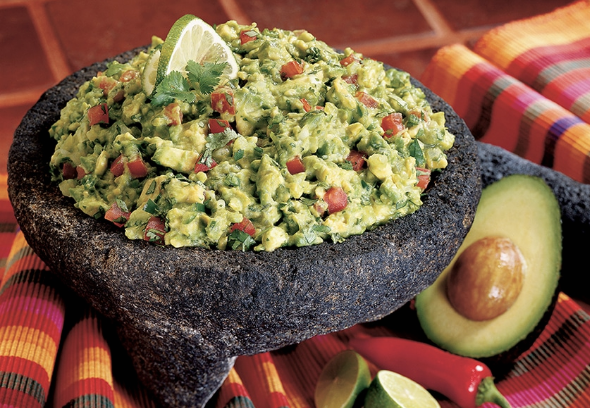
Katherine’s Guacamole
Ingredients
2 ripe avocados
1/3 cup chopped fresh cilantro
2 Tbsp lime juice
¼ tsp salt, or to taste
freshly ground black pepper, to taste
Cut avocados in half lengthwise and pull out the pits. Scoop out the meat. Place ina medium bowl and mash, keeping some large chunks. Mix in the cilantro, lime juice and salt. Taste to adjust seasoning.
Traditional Thanksgiving Recipes Reimagined
- At November 24, 2025
- By Katherine
- In Aging-In-Place, Articles, News, Recipes
- 0

Gathering friends and family and expressing thanks is a centuries long tradition. But do you really want your loved ones to leave your home feeling stuffed and uncomfortable? I recommend you try at least one of my recipes for your Thanksgiving table. You’ll find it’s the first to disappear, and may even become a new Thanksgiving tradition. Here are a few of my favorites.
Try buying as many of your ingredients at your local Farmer’s Market. It ensures your food is as fresh and tasty as they can be.
Soups
Katherine’s Light & Creamy Broccolli Soup with Carrots Potatoes and Thyme
Michele Richard’s Chicken, Mushroom and Barley Soup
Side Dishes
Warm Potato Salad with Haricots Verts with a Lemony Garlic Mayonnaise
Stir Fried Caramelized Cabbage
Desserts
Springtime Strawberry, Baby Spinach & Goat Cheese Salad with a Balsamic Vinaigrette
- At May 12, 2025
- By Katherine
- In Aging-In-Place, Articles, News, Recipes
- 0
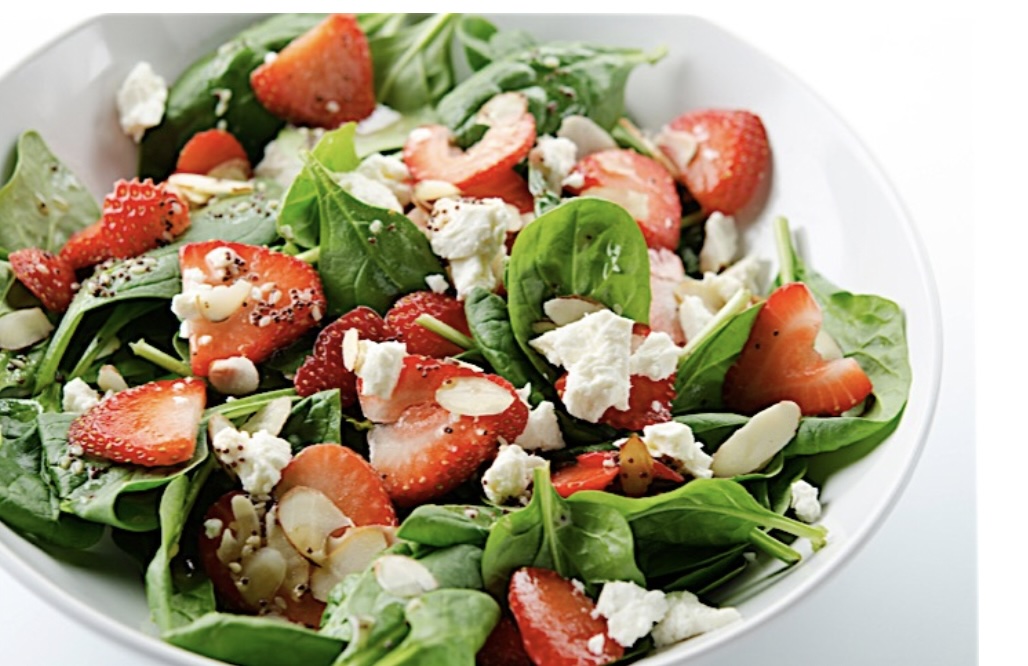
Springtime Strawberry, Baby Spinach & Goat Cheese Salad with a Balsamic Vinaigrette
This is a great salad for a hot day. Let the strawberries sit long enough to absorb the balsamic vinegar flavor while you take time to catch up with friends and enjoy the summer day.
Ingredients
For the strawberries:
1 pint of ripe strawberries, if they are large, cut them in half
1/2-3/4 cup balsamic vinegar
For the salad:
Baby spinach
Baby arugula
Goat cheese crumbles
1 small red onion, sliced
1 ounce of toasted, slivered almonds
For the dressing:
3 tbsp balsamic vinegar
1 tsp dijon mustard
1/4-1/2 cup olive oil
salt and pepper to taste
Directions
Prepare the strawberries by placing them into a bowl and add the vinegar. Let them sit for a while to absorb the flavor of the vinegar- an hour or better. This can be done at room temperature.
In a separate bowl. make the dressing by combining the vinegar, dijon mustard, salt and pepper. Slowly stream in the olive oil, tasting for flavor balance. If necessary, add additional mustard to taste.
When ready to serve, combine equal parts of baby spinach and arugula. Add in the sliced red onion, and lightly toss the salad with a small amount of dressing, adding more as necessary slowly dressing the salad as to not drench it all at once. Add the goat cheese crumbles and almonds. Lastly, plate the salad onto a chilled serving plate. Using a slotted spoon, remove the strawberries from the vinegar and place them on top of the greens. Finally, top with fresh ground pepper and serve.
Battling the Blizzard Bloat Blues!
- At January 15, 2025
- By Katherine
- In Aging-In-Place, Articles, News, Recipes
- 0

These days you may have noticed a subtle expanding of yours and your friends’ waistlines. Take consolation in knowing you are not the only ones suffering from… “BLIZZARD BLOAT,” that creeping up of body fat that has hit many of us recently, according to an informal survey of frustrated, and slightly fatter colleagues and friends.

In the animal kingdom, fattening up for the cold winter months is critical for survival. For human animals, that leftover caveman-instinct to gorge on fattening foods, and hibernate, just causes trouble
Though these old instincts are plausible as a partial cause of winter weight gain, there are more complex—and controllable—causes too. The most important involve decreases in sunlight, physical activity, increases in cravings, and comfort eating. It’s the perfect storm of factors that create the calorie imbalance leading to blizzard bloat.
The Perfect Storm

- Physical Inactivity. When it’s cold outside, we tend to exercise less and even cut back on subtle calorie-burning activities such as short walks, light outdoor chores. This lack of calorie burning may only add up to about 100 fewer calories per day, but a deficit of 100 calories every day, translates to a 3-4 pound weight gain during the winter months, and 10 lbs in a year,
- Perpetual Darkness. Most of us are affected by winter’s gray days, and sunlight deprivation. We need light so our brains have enough of the neurochemical, Serotonin. A decrease in seratonin can increase our chances of experiencing a low mood, and food cravings. A small percentage of people are particularly vulnerable. About 5 percent of the population become markedly depressed with Seasonal Affective Disorder (SAD).

- Cravings for Warm Comfort Foods. Being light deprived, and hibernating inside instead of getting outside and moving, reduces the happy chemicals in your brain, like endorphins, and serotonin. This can lead to increased cravings of fattening food. Studies show excess calories contribute more significantly than any other factor to the calorie imbalance causing blizzard bloat.
Strategies for Battling the Blizzard Bloat Blues

- Get some daily sunshine. You’ll feel refreshed and less bored if you walk outside, and your appetite may be more controllable. The amount of needed daylight varies for each individual. In general, the more the better. One hour daily in the morning, ideally at sunrise, is most helpful. If you’re not an early bird, several hours on the weekends may help make up for a lack of sun during the week. But the sun has to reach your eyes, so no sunglasses. If you don’t feel comfortable with the guidelines, or If going outside isn’t always an option, light therapy, also known as phototherapy, may help. Ask a mental health professional about the special lamps you can buy to make up for light deprivation. They work! Studies show they increase serotonin and help decrease depression in most people. Or, do what the Swedes do. Create candle lit rooms, use sconces with mirrors, keep curtains open. Pick the strategies that work for you!

- Up your activity level. Just a little means a lot. During just one exercise bout (only 10 minutes), your brain releases the feel-good neurochemicals, endorphins and serotonin. They reduce pain, increase feelings of well-being, elevate your mood, and will help reduce cravings. If you’re regularly active, these benefits multiply. A brisk 30-minute walk – just as effective as running – three times a week relieves major depression just as effectively as an antidepressant in most adults. Of course, moving even more, gives you even more significant benefits. Assuming you’re not fond of the cold, use these ideas to bundle up!
- Hold on to your favorite dishes, just rearrange them a bit. In the winter, we tend to crave more fattening, warm, comfort foods, and fewer healthy cold foods, like salads. But your comfort foods don’t have to be fattening. My advice, which has been successful for me and my clients, is to continue eating your favorite foods, just change their balance slightly. It’s been well established that you can increase the volume and satisfaction of your meals and dishes – that is, you can eat more food for fewer calories – by simply incorporating veggies or fruits so they comprise at least 50% of the volume on your plate (eat them first to slow you down) or in your dish,
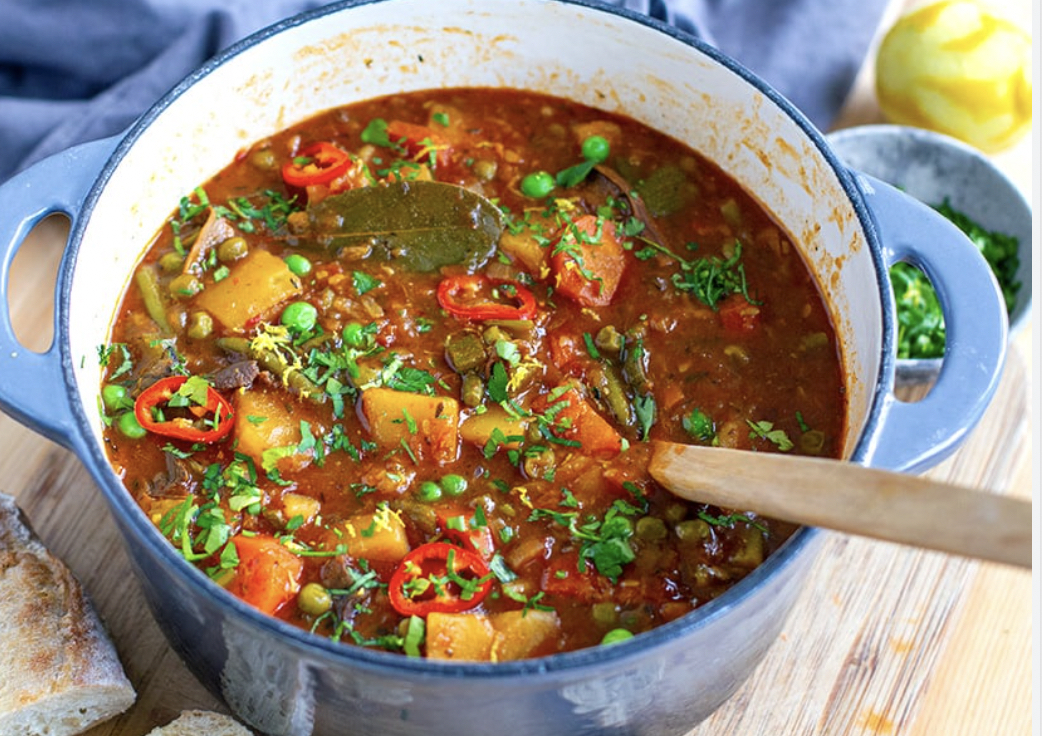
- Veggies and fruits are predominantly water. But because the water is incorporated into the food, as opposed to just a glass of water, the meal will empty from the stomach more slowly. The slower a food empties from the stomach, the more satisfied we are with it. With that in mind, all you have to do is incorporate water or broth into your main course to create a soup or stew, add veggies to a favorite stew or casserole, so that vegetables comprise half or more of the volume. Try having a simple veggie soup as a first course to any meal. Try this technique that makes veggies taste even better than French fries! These strategies – incorporating water, and adding fruits and/or veggies to your meals and dishes – allows you to enjoy your favorite foods. But it also means that you can eat more food for fewer calories. Studies show that, for each meal that you use this strategy, you save 100 calories, naturally – without even trying. That amounts to keeping off 10 lbs a year or preventing blizzard bloat. Try my sumptuous soup recipes to feel full, satisfied, but still keep calories under control.
The BEST Thanksgiving Leftover Recipe: The Second Best Part of Thanksgiving!
- At November 28, 2024
- By Katherine
- In Aging-In-Place, Articles, News, Recipes
- 0
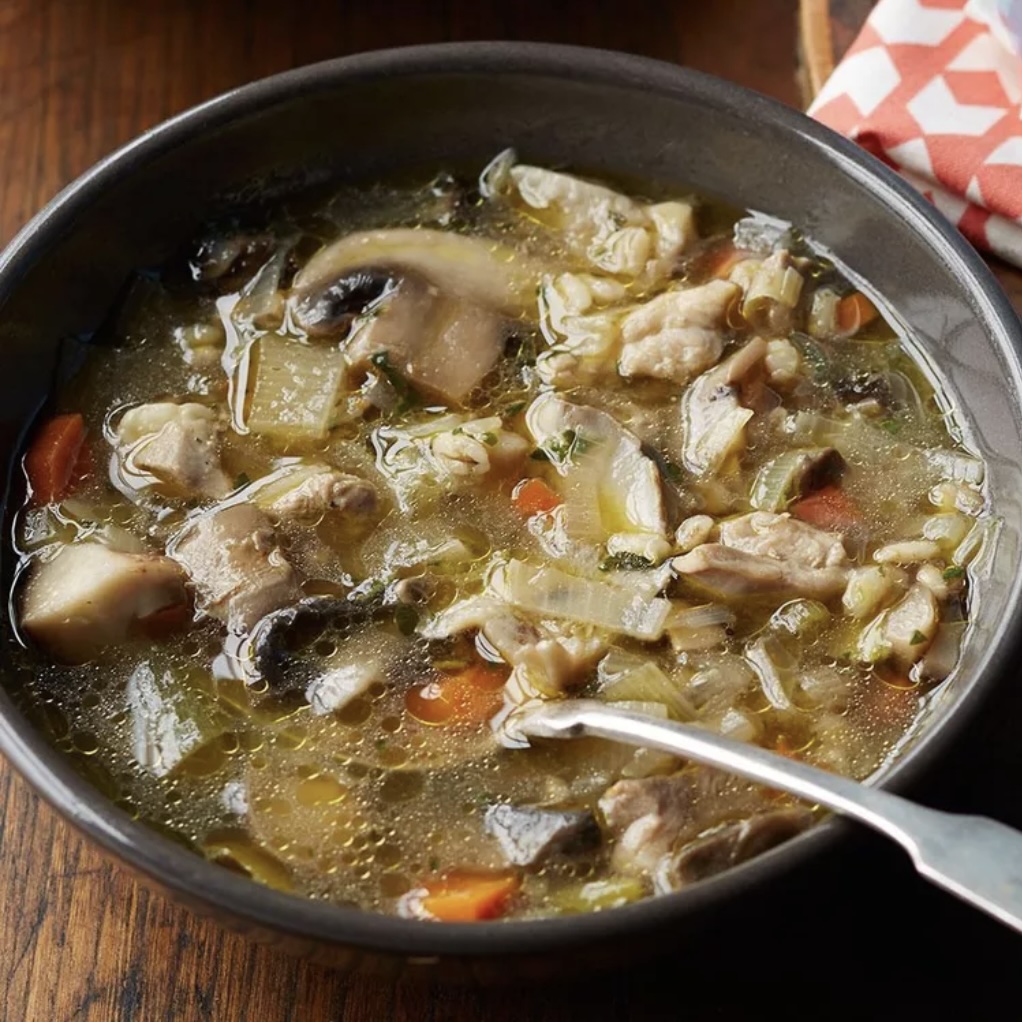
I try to encourage my clients to focus on healthy leftovers, of course, but perfection is never possible or even a healthy objective. One Thanksgiving, I saved the French Apple Cake dessert for breakfast the next morning (It’s better for your weight and health to eat the most fattening food earlier in the day – Sometimes, it’s all about STRATEGY!). It was one of the best breakfasts of my life!
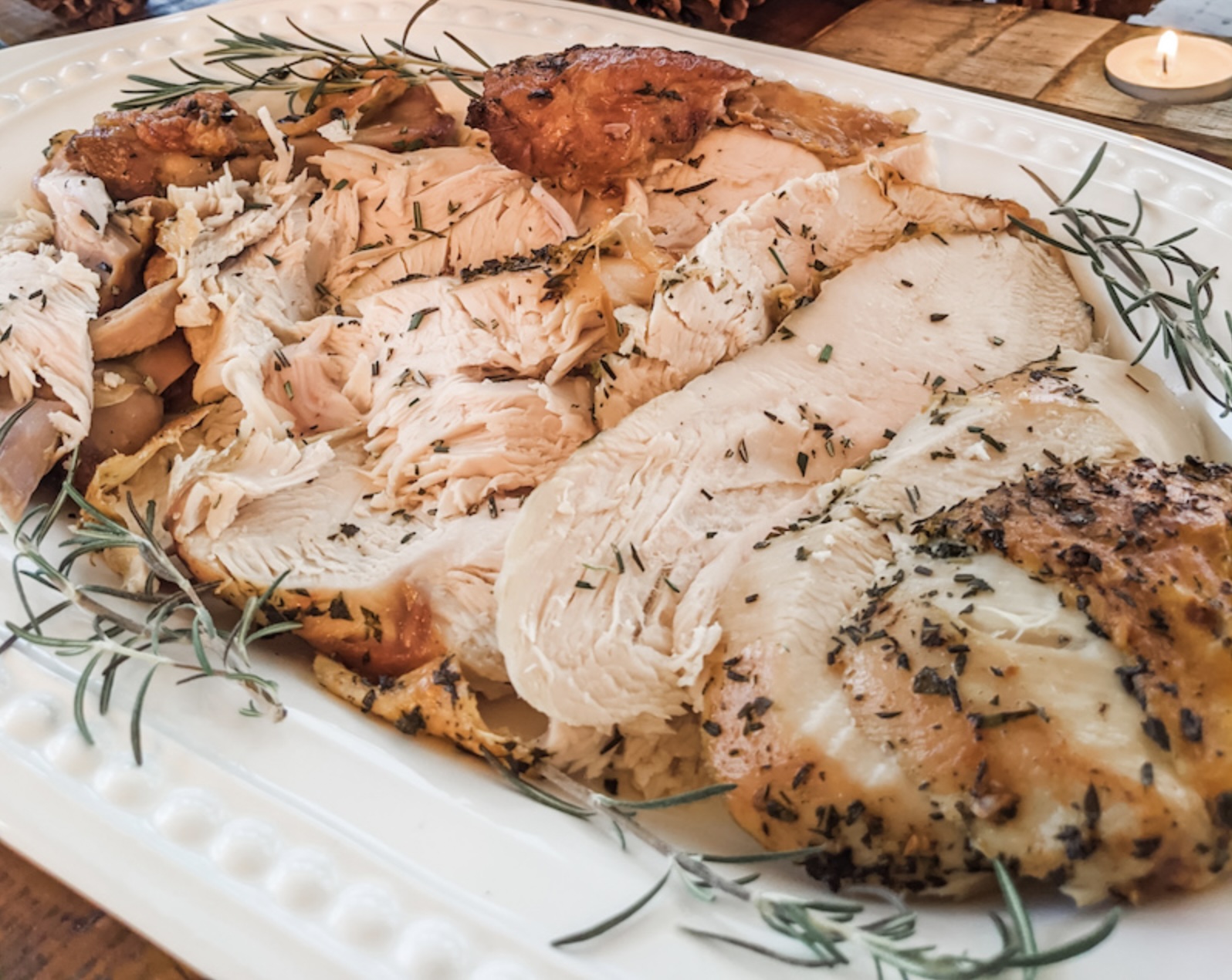
Make the most of the time you spend in the kitchen and ease some stress from your life by batch cooking. I feature batch recipes in my books, Diet Simple and Diet Simple Farm to Table Recipes. Batches are your favorite delicious, quick and easy meals made ahead of time so that you always have something in the freezer or refrigerator, ready to eat on a moment’s notice. And it actually saves time. When you get home from work in the evening, just zap the batch in the microwave and Voilà! Instant delicious, nutritious dinner.
Studies show you’re more likely to eat whatever is in your environment. If you surround yourself with yummy, healthy, wholesome foods, that’s what you’ll end up eating. It’s simple physics: We naturally take the path of least resistance. So why not make things easy on yourself? Plan to make a few batch meals, or even just one, this weekend so you and your family will have their home-made favorites at your fingertips all week long.
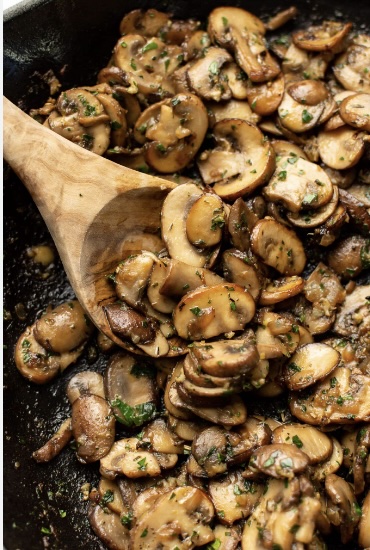
Let’s take advantage and start batching with America’s favorite holiday-for-leftovers!
Nothing could be simpler or more delicate than this dish. The flavors are rich and earthy. It contains all the elements of a complete meal. It’s nutritious and filling to boot. I feel honored that Michel Richard provided this recipe for Diet Simple. It fits perfectly as something you can cook, store in the refrigerator and eat for several meals and is a wonderfully delicious addition.
4 servings
Ingredients:
2 Tbsp Olive Oil
2 Small Onions, Peeled and Diced
1 Pound Thinly Sliced Mushrooms and any other Leftover Vegetables
2 Quarts Unsalted Turkey or Chicken Stock (defatted)
2 Tablespoons Light Soy Sauce
6 Tbsp Pearl Barley
4 Cloves Garlic, peeled and minced
Salt and Freshly Ground Black Pepper to taste
About 1 pound, boned, skinned and sliced Turkey into bite-size pieces or small slices
About 1-1/2 Cup (about 3 ounces) freshly grated Parmesan Cheese (Optional)
Heat the oil in a heavy medium saucepan over medium-low heat. Add the onion, cover and cook until translucent, for about ten minutes, stirring occasionally. Add the mushrooms – and/or other leftover vegetables. Increase heat to medium-high and cook uncovered until lightly browned, for about five minutes, stirring occasionally. Add the turkey stock, soy sauce, barley and garlic. Simmer gently for 45 minutes to cook barley and blend flavors. Season with salt and pepper. (This can be prepared ahead, cooled, covered and set aside at cool room temperature for up to four hours or refrigerated for several days.)
To serve, bring the soup to a light simmer, add turkey, reduce heat and simmer just until the turkey becomes warm, for about two to three minutes. Ladle into four soup plates. Pass Parmesan, if desired.
Katherine’s Light & Creamy Broccoli Soup with Carrots, Potatoes, and Thyme
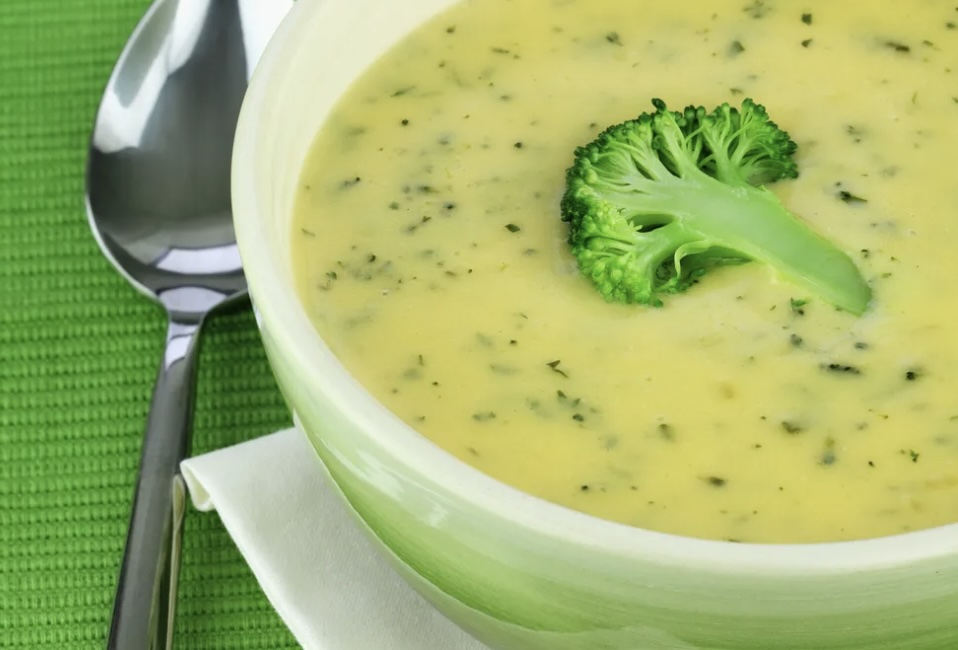
Makes 6 – 8 servings
Ingredients:
2 Tbsp Canola Oil
1 Cup Chopped Sweet Onion (about 1 medium)
1 Clove Garlic, crushed
½ tsp dried Thyme or 1-1/2 tsp fresh Thyme
2-1/2 Cups Chicken Broth
6 Cups Fresh Broccoli, Chopped (about 1 medium head)
2 Cups Non-Starchy Potatoes, Sliced (about 2 medium)
1 Cup Carrots, Sliced (about 2 medium)
2 Cups 1% Low Fat Milk
Salt (1/8 to ¼ tsp) and Freshly Ground Pepper to taste
Optional Garnish:
1 Tbsp dollop of fat free, plain yogurt, salt, and pepper, toasted whole grain bread, or croutons
Heat oil in large dutch oven (soup pot) on medium high heat. Add onion, garlic, and thyme. Sauté until golden. Add 2-1/2 cups chicken broth and the rest of the vegetables. Cover, lower the temperature, and let simmer about thirty minutes, or until vegetables are tender. Add the milk. Let the mixture cool down a bit, then puree in a blender, food processor, or better yet – with no muss or fuss, a Cuisinart Smart Stick. Puree to your desired consistency.
Raspberries: A Sweet, Tart & Versatile Fruit Treat With Amazing Health Benefits
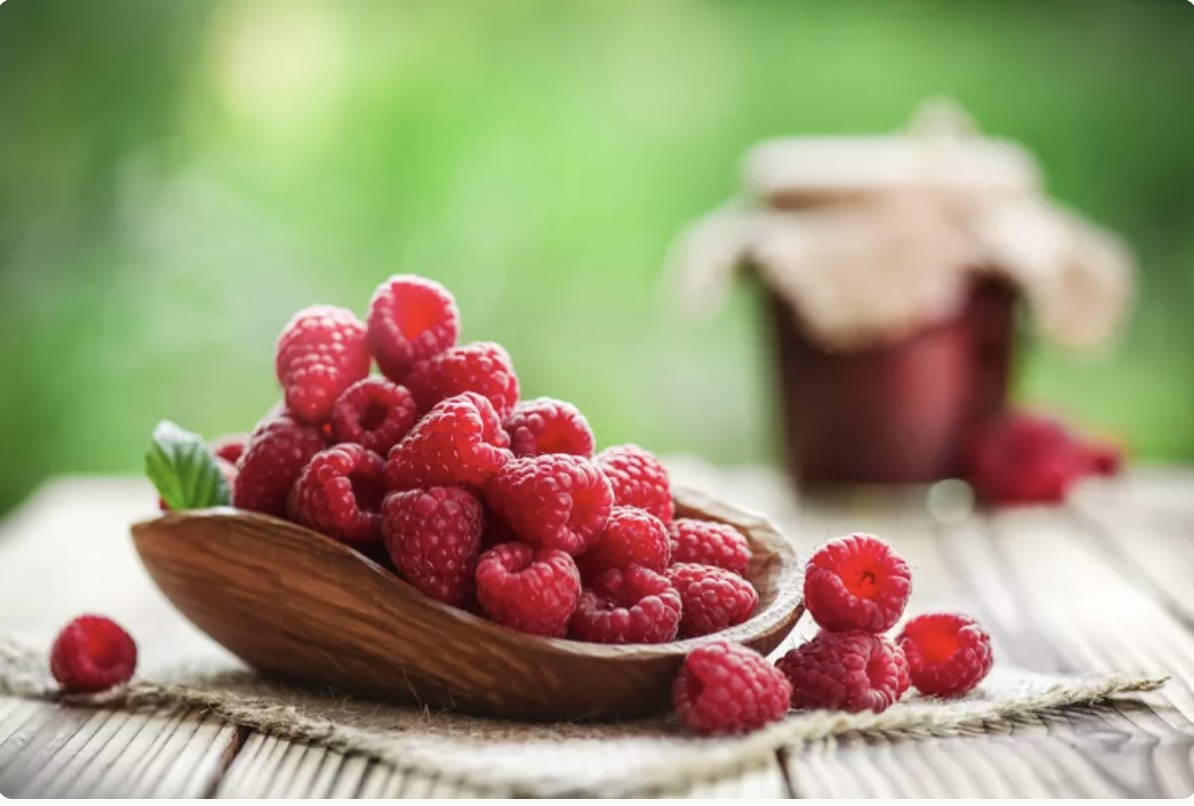
Raspberries – Another amazing food I discussed with renowned health journalist, Daryl Austin, in his USA Today column. One of the tastiest and most popular fruits, raspberries earn $432 million in sales in the U.S. – and they’re virtually everyone’s favorite fruit, Daryl said in USA Today on July 31. They are certainly my favorite!
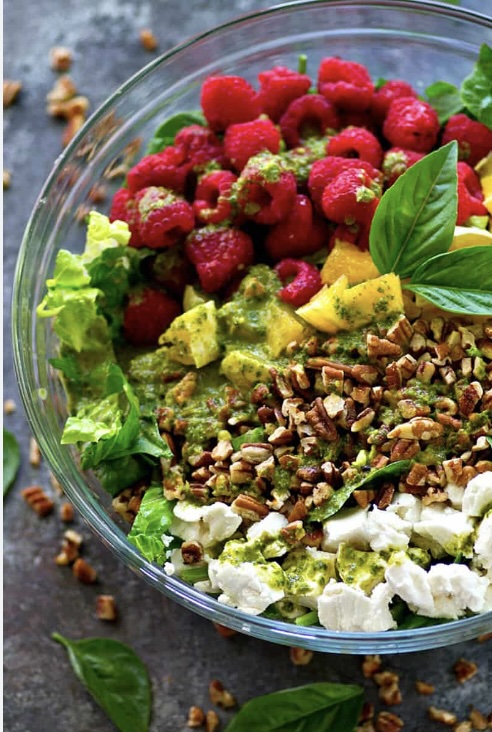
Raspberries’ intense sweet, tart, and juicy flavor literally bursts in your mouth. Their complex flavor profile makes them versatile in either savory or sweet recipes. I throw them in salads, and add them to my yogurt, and oatmeal. For me, the most delicious way to eat raspberries is right off the bush, or locally from my Farmers Market. When they’re not in season, I buy them frozen.
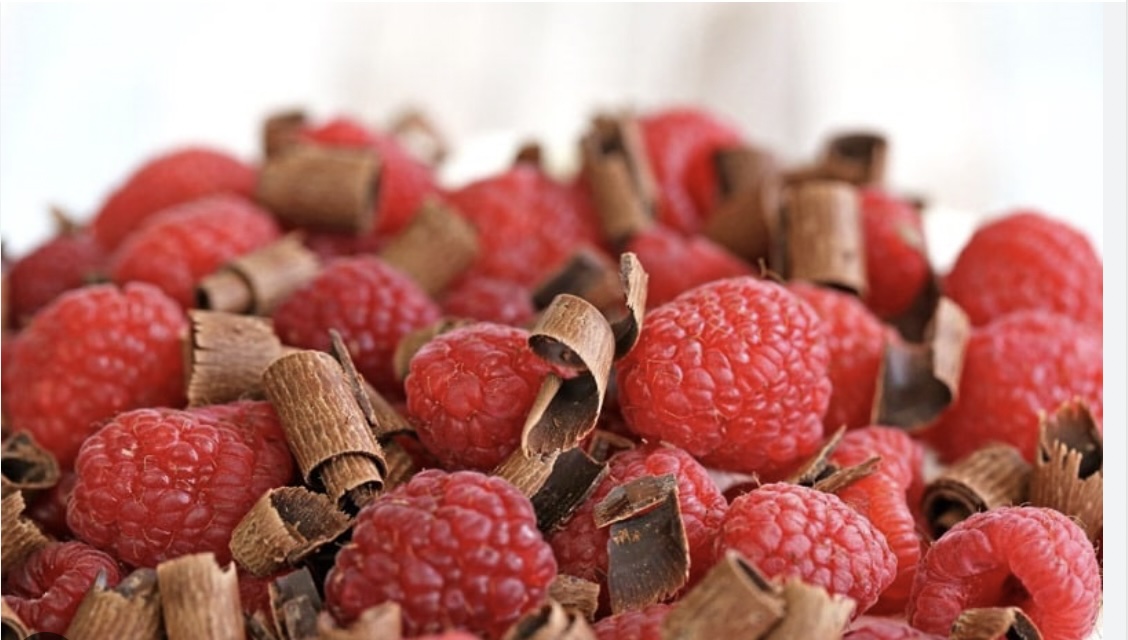
My favorite dessert for guests is fresh raspberries with dark chocolate shavings. It’s an elegant and delicious way of keeping your guests happier and healthier.
Raspberries, and their close relative blackberries, are two of the most nutritious fruits on the planet. Containing 91% water, one cup of raspberries is only 64 calories, with a whopping 8 grams of fiber, a rare fiber to calorie ratio – which means they fill you up with very few calories. You can eat them to your heart’s content. In fact, the more you eat, the better!
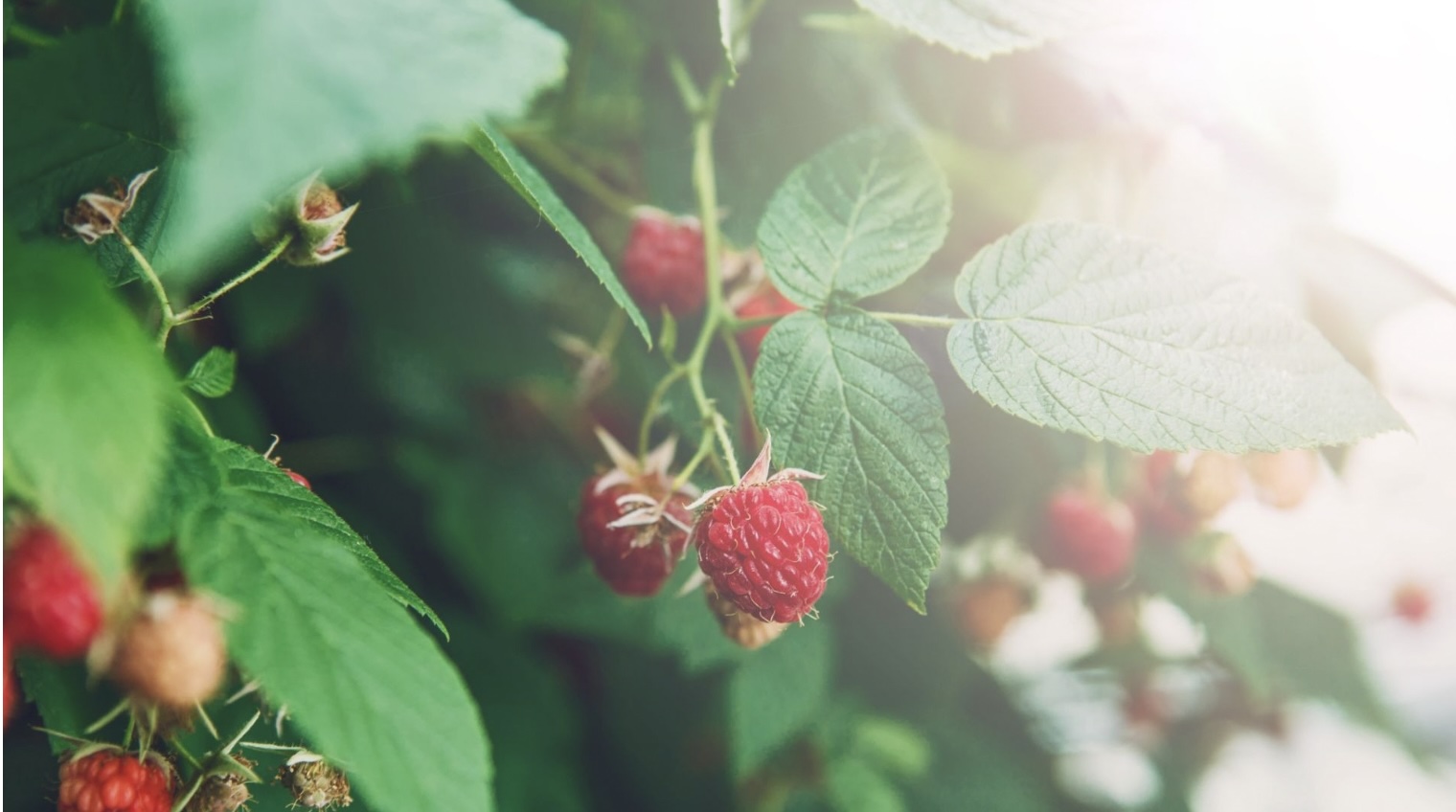
Most of the phytochemicals in raspberries contribute to their color. The riper and redder they are, the more nutrients, antioxidants, and anti-inflammatories they contain. On a raspberry bush, some berries are redder than others. It’s because those more intensely colored berries experienced more stress than the other berries on the same bush. A plant’s phytochemical level is increased by stress. For instance, when a berry is exposed to more sun, disease, and bugs, they must synthesize more phytochemicals to protect themselves (which is why organic ones have slightly more phytochemicals – they aren’t protected by pesticides).
Those phytochemicals, when concentrated intensifies their color, flavor, and scent. They are mostly anthocyanins (purple), which help protect against cardiovascular diseases and neurodegenerative diseases such as Alzheimer’s, MS, vascular dementia, and Huntington disease, mainly through their antioxidant and anti-inflammatory properties.
Ellagitannins not only help reduce cardiovascular diseases, and neurodegenerative syndromes (listed above), they help prevent cancer. They uniquely improve your gut’s microbiome which has profound effects on your health.
In fact, the nutritional value of raspberries is vast. Rather than just turn on healthy genes, raspberries will also turn down unhealthy genes. They “modulate” or “affect” 119 genes in healthy ways, turning on healthy genes and turning down unhealthy genes in ways that have profound effects improving your health, increasing longevity by improving your immune system and reducing the incidence of not only the chronic metabolic syndrome (a cluster of conditions occurring together, which increase your risk for diabetes, stroke and heart disease), but also acute infections like viruses and others.
Green Beans: One of the Most Versatile Vegetables
- At July 26, 2024
- By Katherine
- In Aging-In-Place, Articles, News, Recipes
- 0
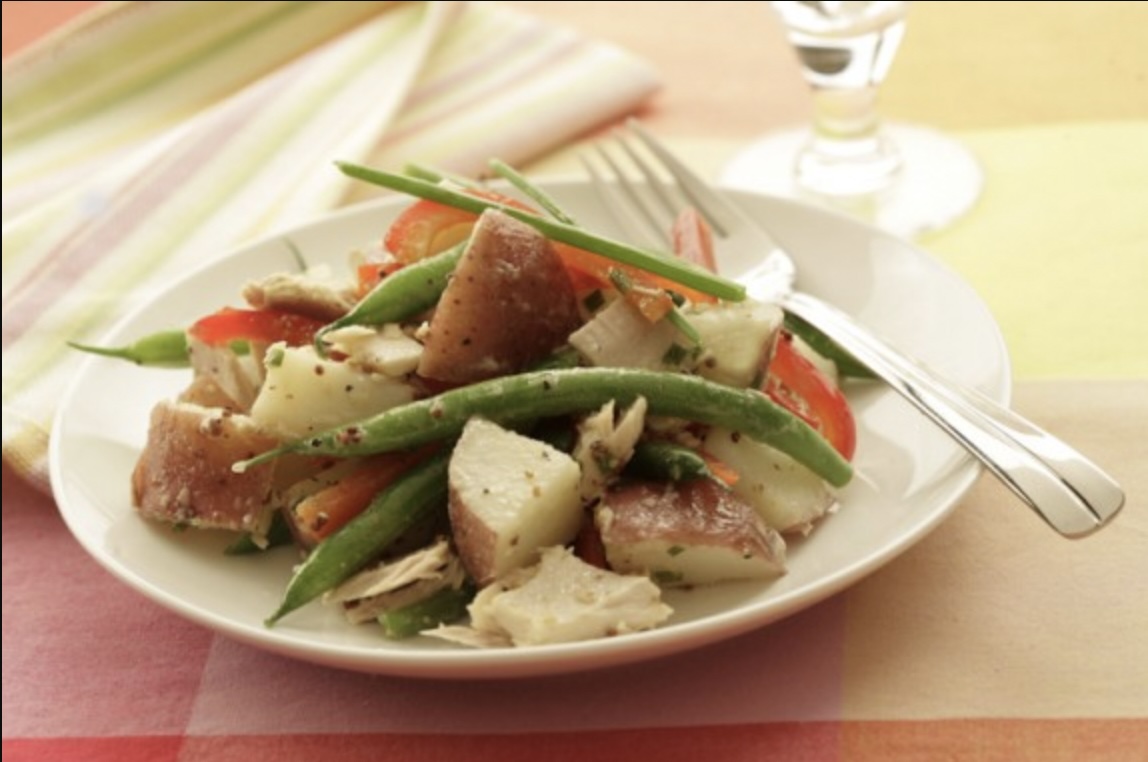
As I said in an interview with USA Today’s Daryl Austin, green beans are among the most widely grown and enjoyed vegetables across the world. They’re versatile for many reasons: their flavor is not overwhelming so they can fit in more recipes than most, they can be eaten cooked or raw, they’re finger foods – easier for little ones (and adults) to enjoy. And they’re inexpensive, to boot.
Green beans’ health benefits are vast. They’re filled with vitamins, minerals, and 72 different phytonutrients – antioxidant and anti-inflammatory nutrients that help reduce the risk of disease. They contain a whopping 2.7 grams of fiber for just 37 calories.
For all of these reasons, eat as much as you want, any time you want! My favorite green beans are French green beans, or “Haricots Verts.” I find them the most tender and flavorful. Here’s my favorite green bean recipe:
Warm Potato Salad with Haricots Verts Smothered in a Lemony, Tarragon Mayonnaise
Serves 6 to 8
Mayonnaise Dressing:
1/4 Cup Mayonnaise, preferably made with Canola or Olive Oil
Grated Zest and Juice of 1 Lemon
2 Garlic cloves (or more, to taste), mashed
1 Tbsp (or more, to taste) Tarragon or other fresh herb, such as Dill
Salt and Pepper, if desired (no salt needed)
Vegetables:
1 quart Haricots Verts (French Green Beans), tough end removed
1 pint small New Potatoes (or any potato), cleaned but not peeled, cut into 1″ pieces
2 Red Bell Peppers, roasted (if desired) and chopped
1 pint cherry tomatoes, sliced in half (and/or any other seasonal vegetables)
1 Bunch (about 4 – 5) Green Onions, chopped
Prepare the dressing in a bowl large enough to fit the salad ingredients by mixing the mayonnaise, the lemon, garlic and fresh herb of your choice. Place in refrigerator to keep chilled.
Steam or boil the haricots verts slightly (in a small amount of water) until they are al dente (firm, but not hard, with resistance to the bite). Drain and immediately place in the bowl of mayonnaise. Toss to coat with mayonnaise dressing. Put the bowl back into the refrigerator to halt the cooking process.
Slice the small potatoes in half or quarters, depending on their size. Boil the potatoes for about 5 or 10 minutes, until tender when pierced by a fork. Drain and place in the bowl with the mayonnaise and haricots vert. Toss to coat with the mayonnaise dressing. Place in the refrigerator.
Roast the red bell peppers if desired, chop, and add to the mix. Chop the white part of the green onions, cut the cherry tomatoes in half, and place in bowl with the other vegetables; toss.