Yogurt: The New and Improved “Once-A-Day-Keeps-The-Doctor-Away” Superfood!
- At August 15, 2026
- By Katherine
- In Aging-In-Place, Articles, News, Recipes
 0
0
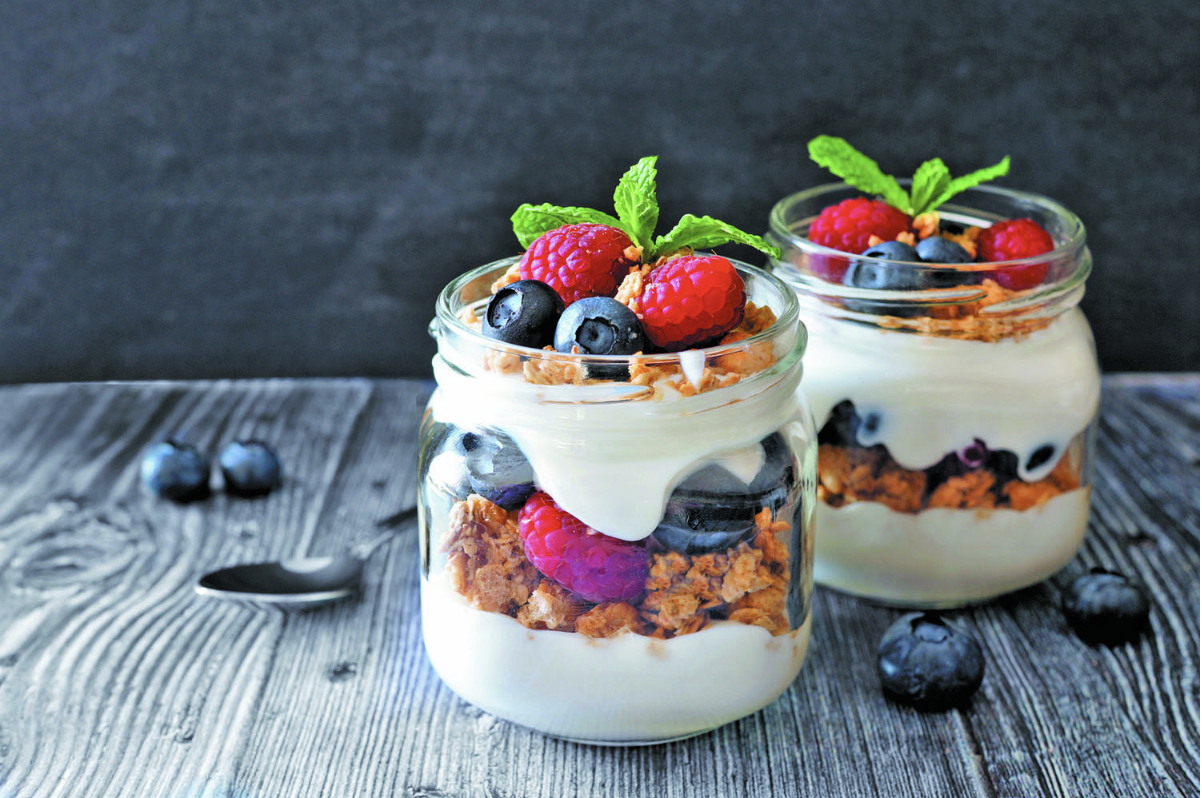
While our grandmothers told us that an apple a day keeps the doctor away, modern science begs to differ. Move over apples – There’s a new boss in town. YOGURT!
For years, I wondered why my clients, who I encouraged to eat yogurt, lost weight more easily – while also increasing muscle. They said they felt more energetic, too. Scientific research is now backing my observations of 30+ years.
Around 2010, I attended a three-day National Institutes of Health consensus conference presenting all of the research to date about the human gastrointestinal tract’s microbiome, that is, its microscopic “ecosystem” of cells. By 2010, a wealth of new data had found that its effects were so vast and profound, it could make – or break – your health.
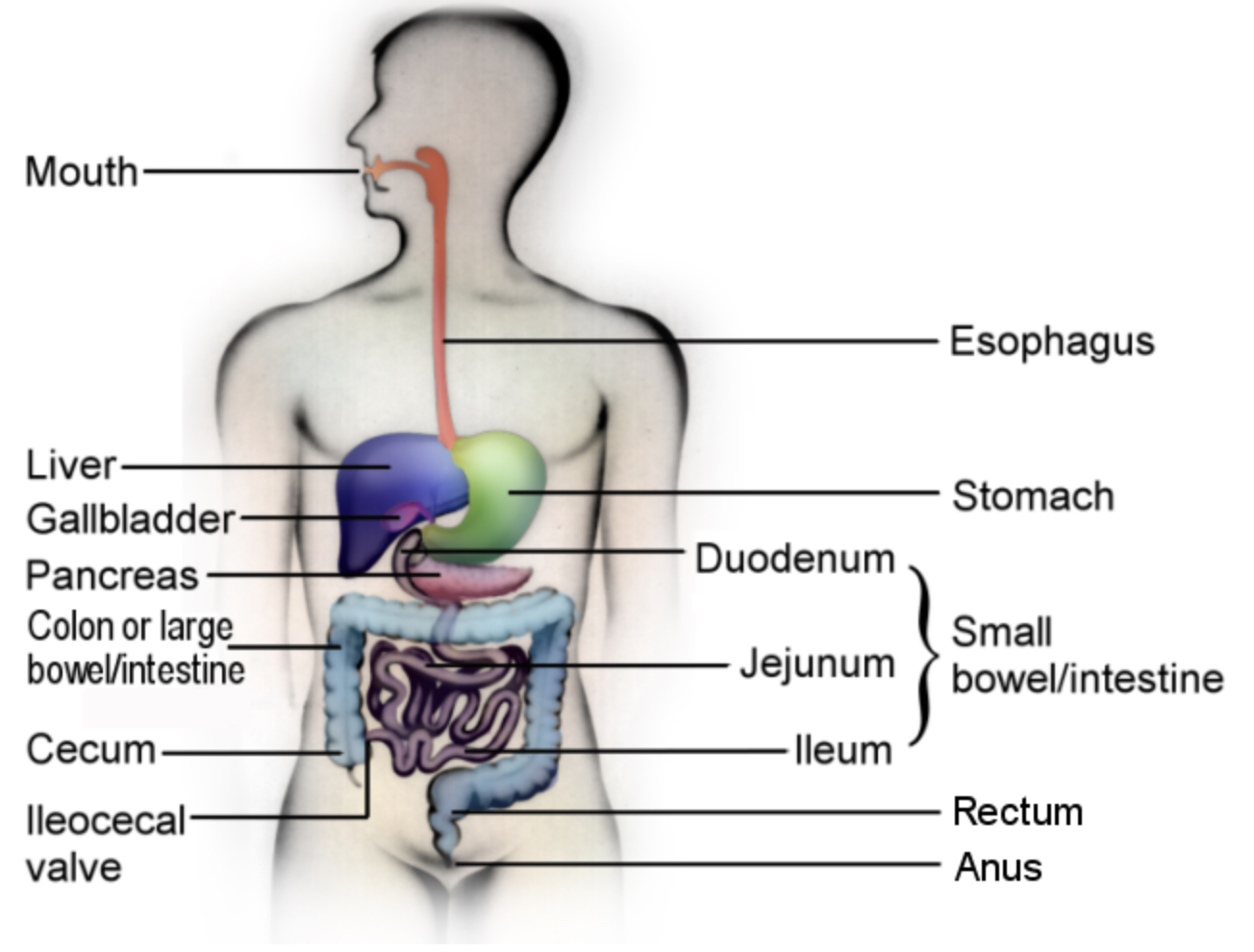
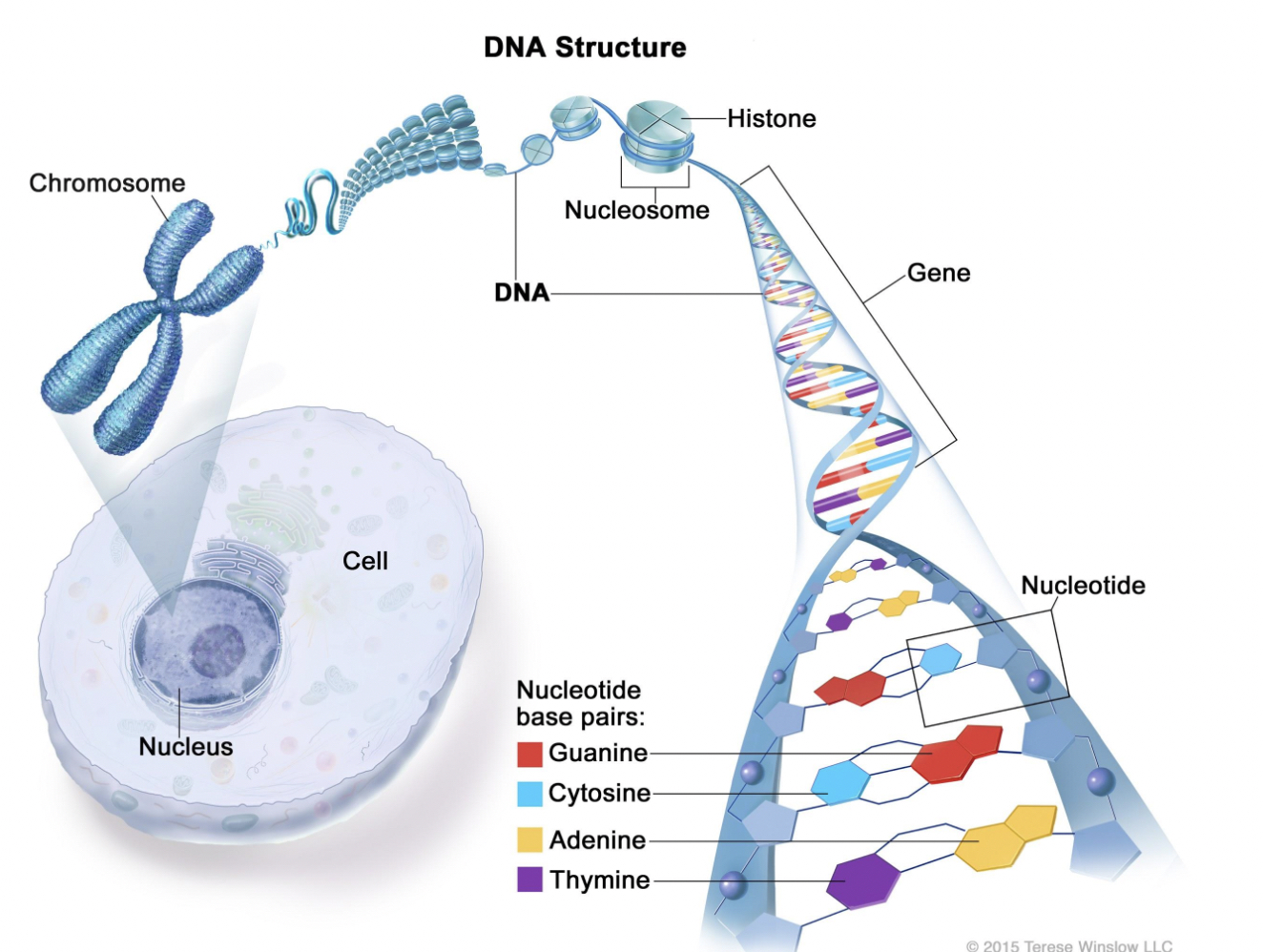
Your body contains human cells and microbial cells (microbes). The human’s gastrointestinal microbiome also contains both types of cells. The major difference is that human cells contain genetic material inside its nucleus. Whereas microbial cells – what I’m discussing in this article – which includes bacteria, archaea, fungi, protists, and viruses, do not. Both microbial cells and human cells play critical roles in your health. Our bodies have 10 trillion human cells, but, at 100 trillion, there are 10 times that amount of microbial cells. Given the enormous number of microbial cells, or bacteria, their effect is immeasurable, and extremely influential. That said, you must make sure your healthy microbial cells outnumber the dangerous ones – big time! Here’s the full story…
There are healthy, beneficial microbes and unhealthy, dangerous types. The most dangerous microbes, the ones that cause disease, are those that are easily transmitted. They are virulent, and invasive to central organs like the blood and lungs. They’re survivors. They have a low infection dose, and are without any specific treatment or vaccine. Most of them are transmitted from animals or insects. The most dangerous microbes cause a very high death rate, are identified as high-risk agents or “biohazard-level 4” agents, and are treated at the highest level of infection protection, with strict isolation measures: Think COVID.
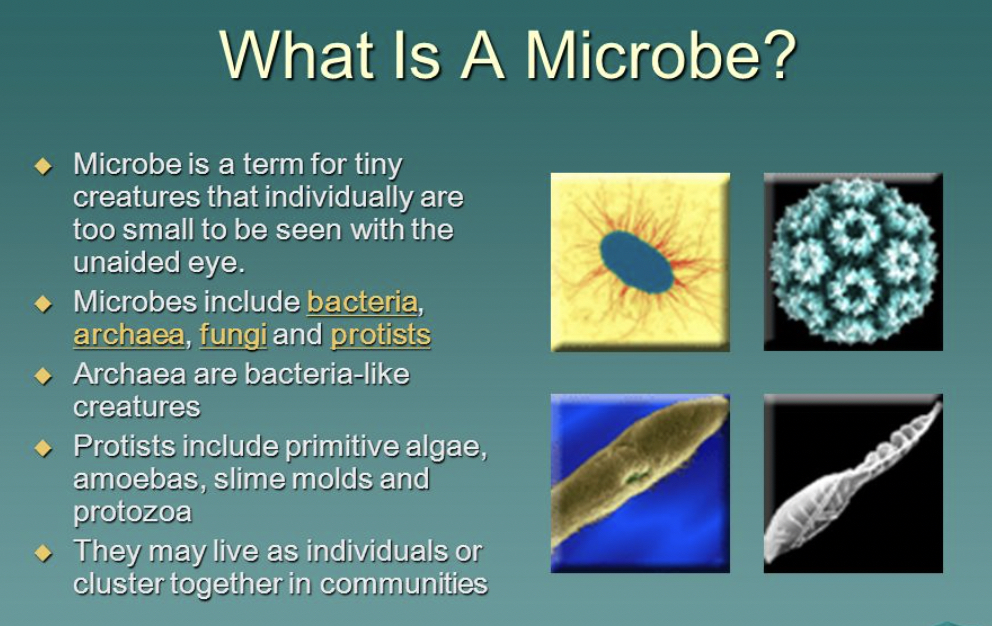
But most of the time, microorganisms live in harmony with their human hosts, providing vital functions essential for survival. Microbes inhabit just about every part of the human body, living on the skin, in the gut, and up the nose. They are essential for good health.
If infants are born naturally, as opposed to a cesarean delivery, and if they are breastfed, they start their lives with the highest number of healthy microbes. Whereas, their cesarean section, bottle-fed counterparts don’t develop those advantages. The higher amount of beneficial microbes give them a superior immune system, better health, and a high level of safety from numerous communicable, and non-communicable diseases in early life. That’s because the birth canal, and breast milk, contain a host of beneficial microbes that are impossible to regain as adults.

The infant’s microbial advantages continue later in life, too. Even as adults, they provide numerous advantages over people who were bottle fed, and cesarean born. The lack of those healthy microbes correlates with inflammation, and a number of illnesses, potentially effecting every organ in the body. This increases your risk for the metabolic syndrome, a group of conditions – insulin resistance, a precursor to diabetes, high blood pressure and cholesterol – and a host of other illness. More than five decades of established research has found that, if babies are not breastfed, it correlates with overweight and obesity (I learned this in college, though that was NOT 50 years ago, I’ll have you know!). The metabolic syndrome increases your blood levels of insulin, a known “growth factor.” Growth factors increase inflammation and unchecked cellular growth (cancer). Growth factors increase your chance of illnesses that can effect every organ in your body, including coronary heart disease, colon, breast prostate cancer, eye conditions, reduced bone mass, and more.
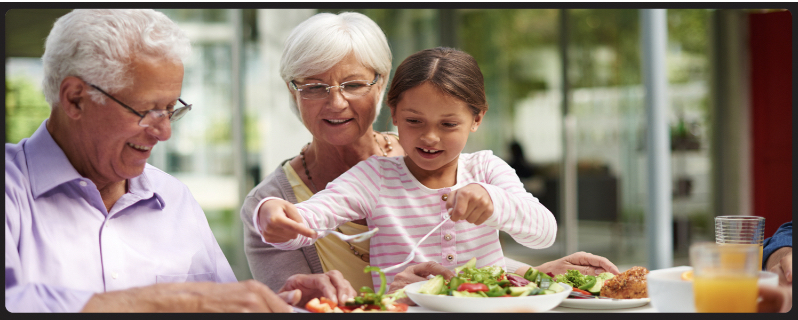
Aging is also associated with fewer beneficial microbes. Aging affects virtually all tissues and cellular circuits in our bodies resulting in frailty and death. Not only aging, but other factors, such as overweight, obesity, inactivity, and stress, also decrease beneficial microbes, leading to inflammation, compromised immune systems, susceptibility to acute and chronic illnesses causing sicknesses, hospitalizations and even death. They include infections of every type, colds, flu, COVID, reductions in vaccine effectiveness, food borne illnesses like salmonella and E-Coli, bone loss, even mental illness. To counteract those disadvantages, living a healthy lifestyle makes a significant positive difference.
THE POSITIVE NEWS

That said, you can still achieve a healthy gut filled with beneficial microbes, even if your mother required a cesarian section, or couldn’t breast feed. .
YOUR DAILY PRESCRIPTION
However, an exceptional diet and lifestyle are necessary to make up for those disadvantages. The most important foods to eat are those that naturally contain probiotics, namely, dairy yogurt, and possibly the new non-dairy varieties. Also, dairy, and non-dairy kefir. Both are the only foods associated with significant health benefits. Probiotic supplements, and foods/drinks with probiotics added, haven’t been studied adequately to determine their effectiveness. Yogurt and kefir have been found to improve wound healing, recovery from illnesses, reductions in inflammation, colon, breast and prostate cancers, and eye diseases. They have also been found to decrease the risk for conditions caused by inflammation, like Alzheimer’s, cardiovascular disease, osteoporosis, irritable bowel syndrome, diarrhea and/or constipation, bone and dental health, infectious diseases, and others.
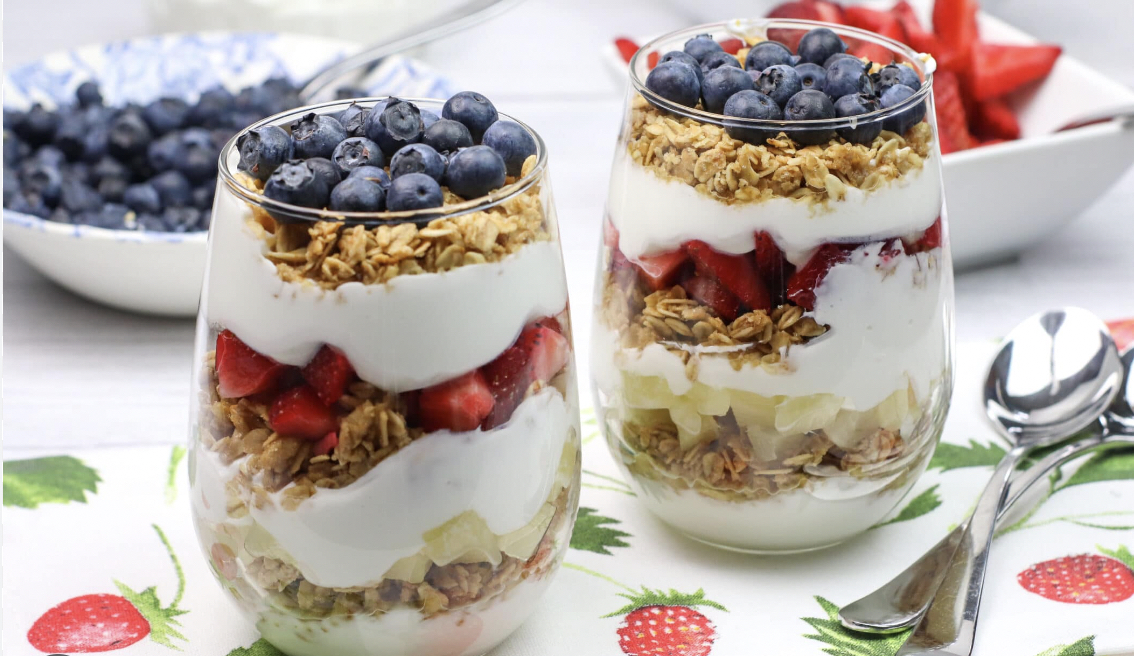
But probiotics can’t work alone. To be effective, you also need foods containing prebiotics to create the healthy gut you need. Prebiotics nourish probiotics. Together they form the critical prebiotic/probiotic duo creating a microbiome teeming with healthy microbes that achieve the superior level of beneficial microbes that fight off chronic and acute diseases. Only then can you achieve maximum health advantages. Prebiotics can be found in various high fiber plant foods as diverse as almonds, agave, barley, wheat, oats, garlic, leeks, onions, flax seeds, artichoke, asparagus, bananas, and more.
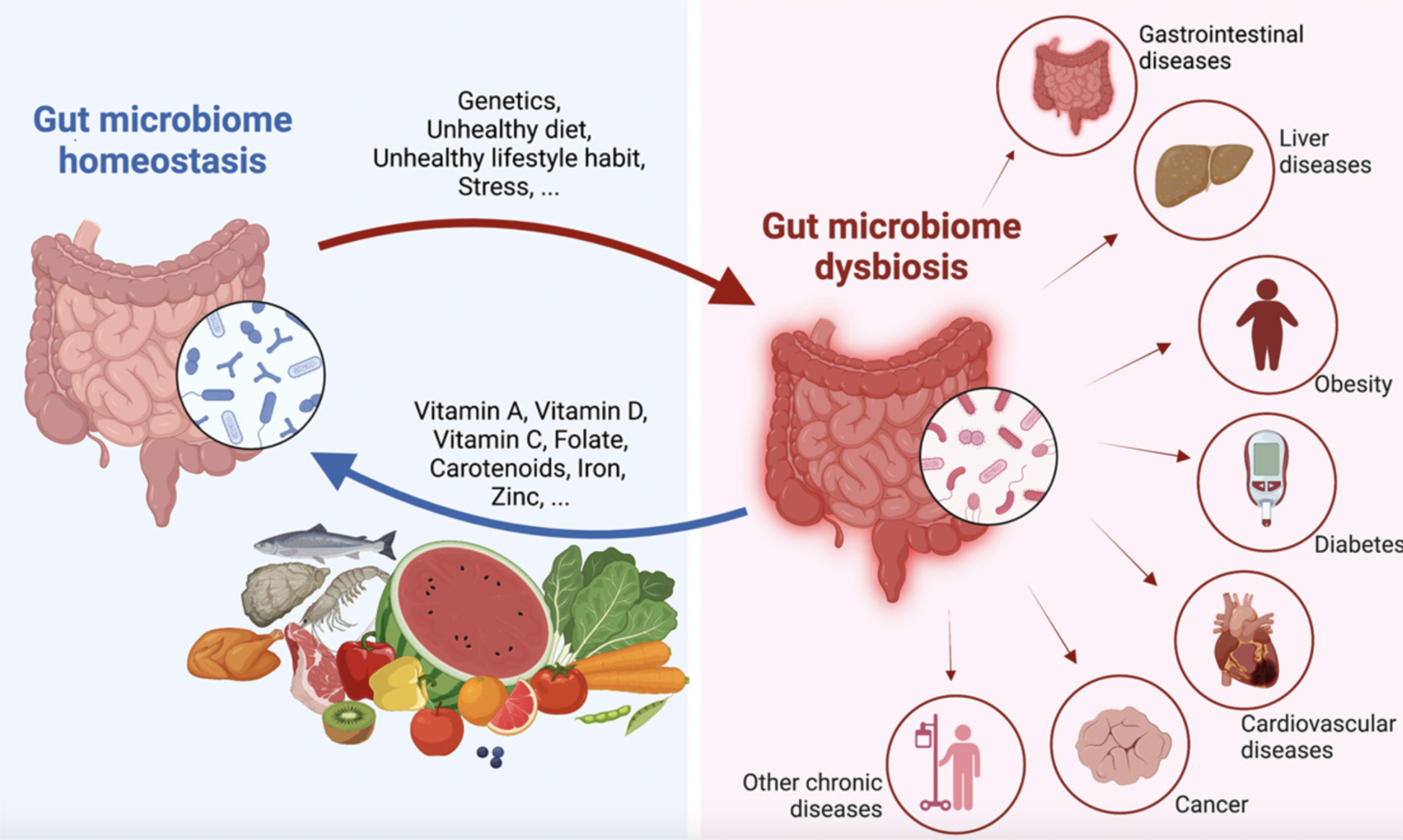
Breast milk contains both prebiotics and probiotics, which is why it is so protective.
Problem is, most Americans have an unhealthy diet that increases the damaging microbes in their gut. They don’t eat enough, if any, foods high in either pre- or probiotics. This may explain our high incidence of chronic illnesses.
Based on research, and my own observations, I believe eating yogurt daily is the easiest way to make up for the healthy gut we abused by eating the typical American diet growing up – and even now. Can you imagine anything easier? (besides dreaming, wishing, and hoping?)
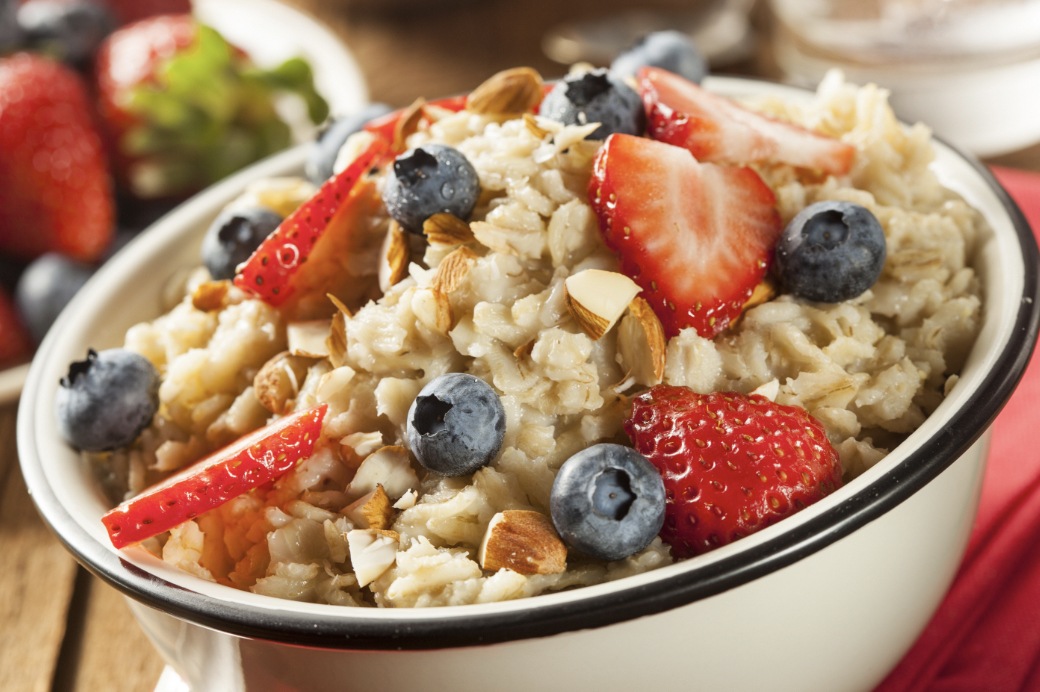
All you need to do is include yogurt, a few veggies, fruits, almonds, or oat-based cereals (Cheerios, oatmeal) here and there. Try “Katherine’s Simple ‘Oatmeal Cookie’ Oatmeal: an Easy Step-by-Step Guide” That Even Your Kids Will Love!. How about this great dessert? “Chocolate Covered Peanut Butter & Oat Balls.” It’s a fun activity for you kids, too! (don’t tell anyone it’s healthy)
As of yet, there is no reliable clinical test any doctor can use to measure your gut microbes, or the health of your microbiome. We don’t even know everything that we need to be looking for. The gastrointestinal tract is still quite mysterious and idiosyncratic, so your best strategy is having the best diet and lifestyle habits you can.
I work with many clients with gastrointestinal issues, and their solutions vary widely, but, in my experience, when their nutrition is tailored to their individual needs, their lifestyle, and medical condition, a personalized nutrition plan makes a profound difference – virtually to a person.
If you think you don’t like yogurt, I’ve found that if you do some taste testing and experimenting, you are guaranteed to find one or more that you enjoy. There are savory, and sweet ways to try it.
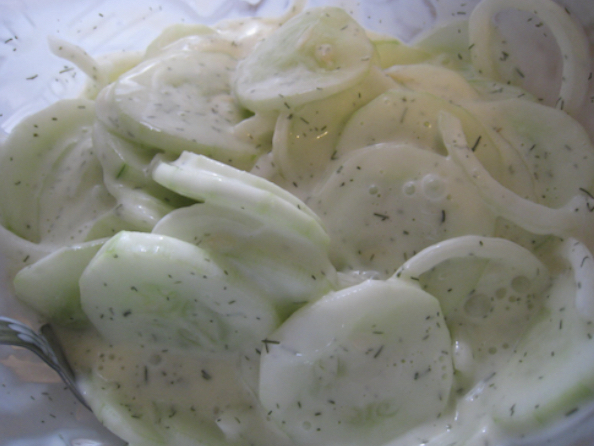
Savory variations: Use Nonfat, Plain Greek Yogurt (my favorite is Fage) in place of sour cream. Make dips, for instance, Onion Dip, by mixing in chopped/minced onions, salt & pepper. How about a spicy dip by swirling in Sriracha sauce. Create an Italian version with pesto. Use it in burritos and tacos. In many parts of the world, yogurt is eaten together with spicy dishes, especially with chopped cucumbers. With curry, and many Middle Eastern dishes, for example. I love placing a dollop on my potatoes (instead of sour cream) and soups. My technique for eating it with soups and savory dishes is to place a little yogurt together with the accompanying food in one spoon. The cool and the hot together are delicious complements to each other. Stirring all of it together, well, it doesn’t bring the added excitement that I crave in my food. Remember to add a little (Iodized) salt & pepper, or it may taste too bland. In the summer, Cool Cumber Soup with Dill or Cilantro, and Swedish Cucumber Salad with Dill are party favorites. In fact, whenever I make my mother’s Cucumber Salad, it disappears quicker than anything else. It can lead to all out war between the party’s, normally civilized, competitors.
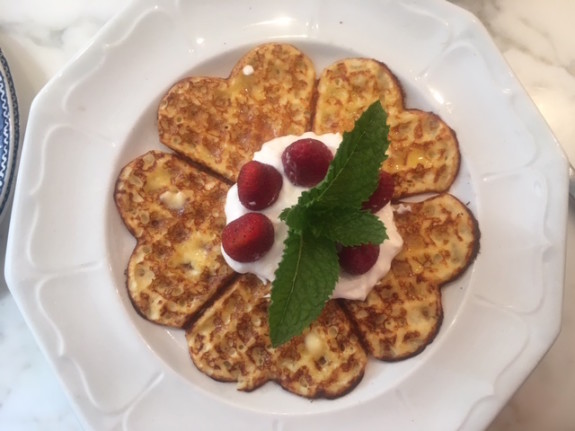
Of course, we all know about the sweeter versions. Fruited yogurts, lemon, vanilla, chocolate, you name it. Give all of them a try. ANY yogurt contains probiotics. And please, don’t worry about the small amount of jam in yogurts. Studies show fruited yogurt doesn’t raise blood sugar significantly, so they’re not associated with high blood sugar levels, insulin resistance, or the illnesses that go along with it.
I enjoy it as part of desserts, too. A traditional Swedish meal is crepes with sour cream and lingonberries. But I’ve found that my favorite Fage Greek Yogurt is an excellent, even better, substitute for sour cream. Swedish Waffles, Vanilla Bean Yogurt and Fresh Summertime Peaches/Fruit, while not 100% healthy, still gives me an opportunity to eat yogurt in a delicious way – as an occasional dessert, or decadent breakfast.
After all, everything you eat must be DELICIOUS! That’s the only way we can continue eating healthfully, in a sustainable way.
Ozempic and other GLP-1 Agonists Cause Depression and a Significant Increased Suicide Rates in its Users
- At April 17, 2026
- By Katherine
- In Aging-In-Place, Articles, News
- 0
Researchers have found that users of the weight loss drugs, called GLP – Agonists, but especialy Ozempic, have rapidly declining mental health, published in the journal Innovative Clinical Neuroscience, a surprising and unexpected effect. This shows that these drugs have not been studied adequately before coming to market. So why did FDA allow this? It shows iresponsibiity and negligence, in my opinion.
This issue must be addressed before severe depression occurs, as it increased significantly suicide risk, and showing a high suicide risk rate equivalent to around 15%, according to psychiatry investigations.
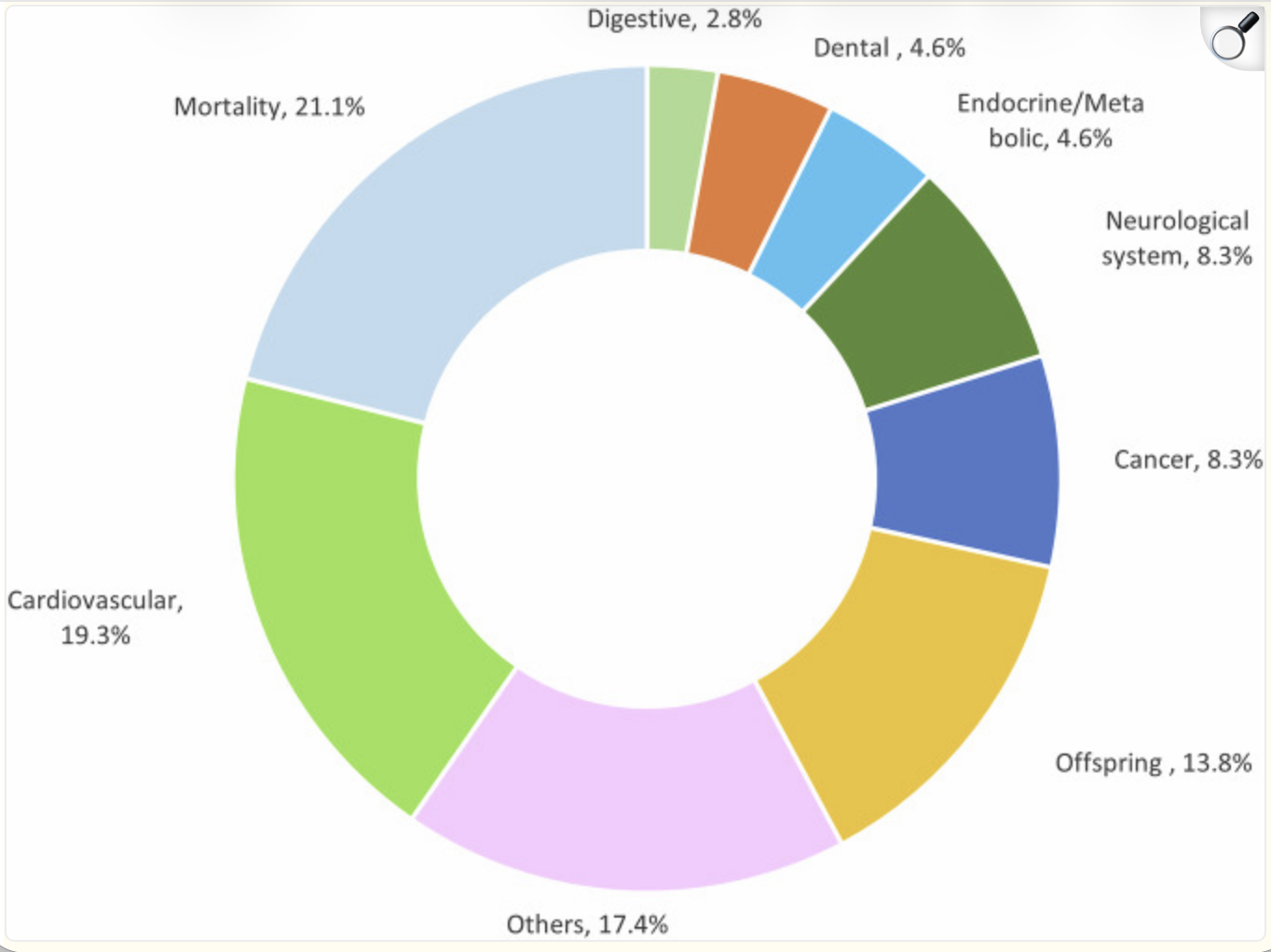
Depression has a significant impact on health outcomes, too, primarily mortality and cardiovascular outcomes. Depression affects approximately 5% of adults worldwide, as the World Health Organization estimates, and it stands as the fourth most common disease globally.
Recently, increasing number of studies have shown that depression can lead to a significantly high suicide risk, and various health outcomes, such as cardiovascular disease, atrial fibrillation, heart failure, coronary artery disease, myocardial infarction, stroke, and hypertension and impacts life quality and longevity. Depression also increases the risk of mortality, including cardiovascular mortality and all-cause mortality in cancer.
According to the Journal Transl Psychiatry, assessments of depression based on self-reports and clinical interviews show a positive correlation between depression and the risk of all-cause mortality in diabetic patients. Furthermore, depression elevated the risk of death for individuals with coronary artery disease and chronic kidney disease.
Depression not only increased the all-cause mortality among cancer patients, but also heightened the all-cause mortality rates by 34 and 30% in lung cancer and breast cancer patients with depression, respectively.
Furthermore, patients with bladder cancer, colorectal cancer, hematological cancers, kidney cancer, and prostate cancer who also have depression experience increases in cancer-specific mortality by assessments of depression based on self-reports and clinical interviews, show a positive correlation between depression and the risk of all-cause mortality in diabetic patients.
And depression elevated the risk of death for individuals with coronary artery disease and chronic kidney disease (CKD). Depression not only increased the all-cause mortality among cancer patients (RR = 1.24), but also heightened the all-cause mortality rates by 34 and 30% in lung cancer and breast cancer patients with depression, respectively. Not only do these rates increase, patients with bladder cancer, colorectal cancer, hematological cancers, kidney cancer, and prostate cancer who also have depression experience increases in cancer-specific mortality by and 87%, respectively.
Patients with peripheral artery disease, stroke, myocardial infarction, and heart failure who had depression showed an increased all-cause mortality. Among patients with coronary heart disease, depression significantly raises mortality risk, for short-term (within 2 years) mortality and for long-term mortality. Compared to patients without depression, those undergoing coronary artery bypass grafting, or percutaneous coronary intervention, with depression experienced a 41 and 76% increase in all-cause mortality.
Depression had a significant impact on the overall survival of patients undergoing hematopoietic stem cell transplantation, with a hazard ratio of 1.06. Patients with peripheral artery disease, stroke, myocardial infarction, and heart failure, who had depression, showed an increased all-cause mortality. Among patients with coronary heart disease, depression significantly raises mortality risk, short-term (within 2 years) mortality and long-term mortality.
Compared to patients without depression, those undergoing coronary artery bypass grafting or percutaneous coronary intervention, with depression experienced a 41 and 76% increase in all-cause mortality. Depression had a significant impact on the overall survival of patients undergoing hematopoietic stem cell transplantation, with a hazard ratio of 1.06.
Make This Delicious Caramelized Cabbage the Focus of Your St. Patrick’s Day Celebration
- At March 15, 2026
- By Katherine
- In Aging-In-Place, Articles, News, Recipes
- 0
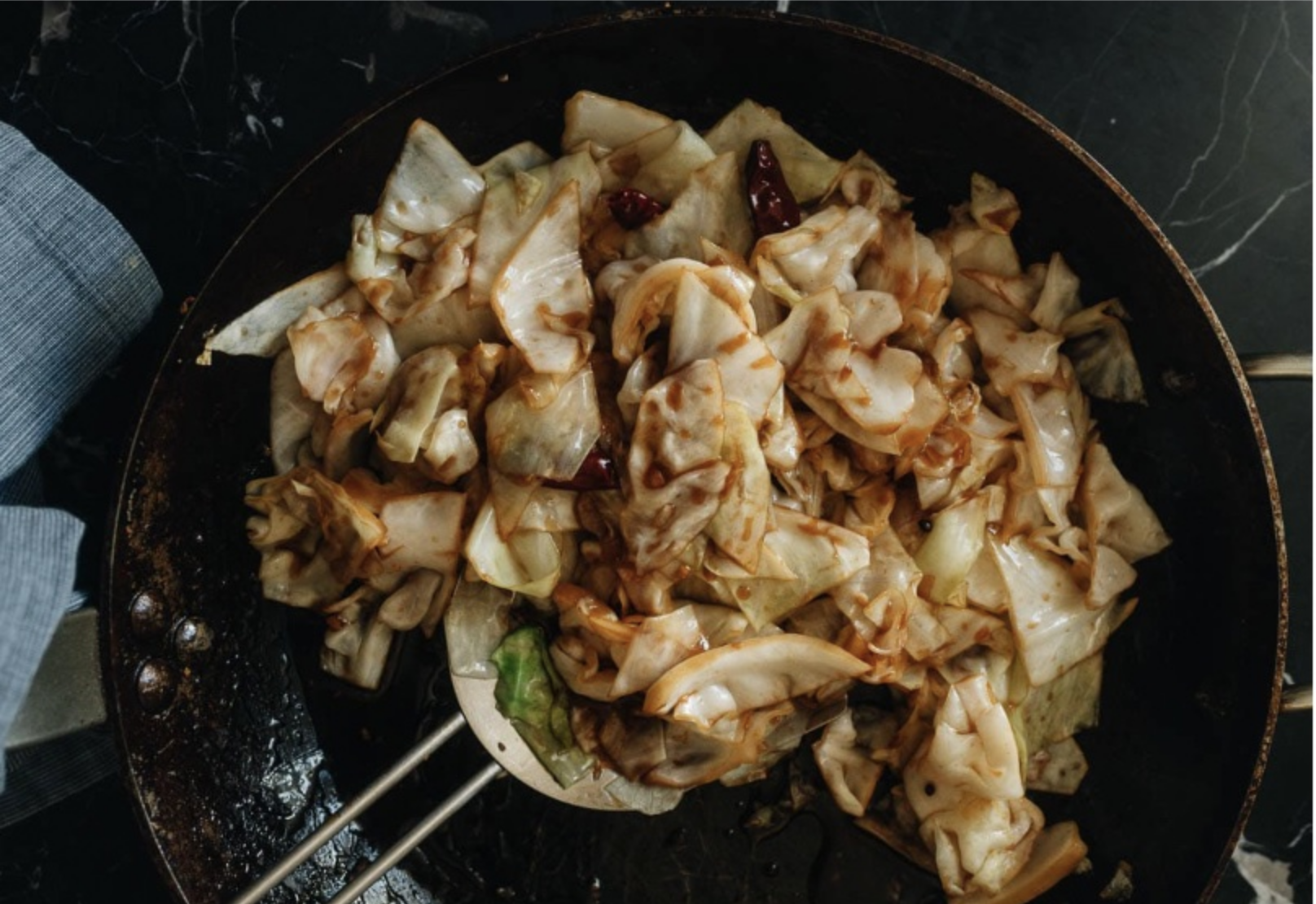
If you are not a lover of cabbage, you will become a boisterous believer after you try this simple preparation that creates a tender, golden brown, naturally sweet dish. But hurry! St. Patrick’s Day on March 17th would be the ideal time to get a taste of the “Luck O’ the Irish.” But any time of the year, it’s a standout. Any time I serve Caramelized Cabbage, my guests ask, “What is this? It’s delicious!” They practically fall out of their seats when I reveal, “It’s sautéed cabbage.”
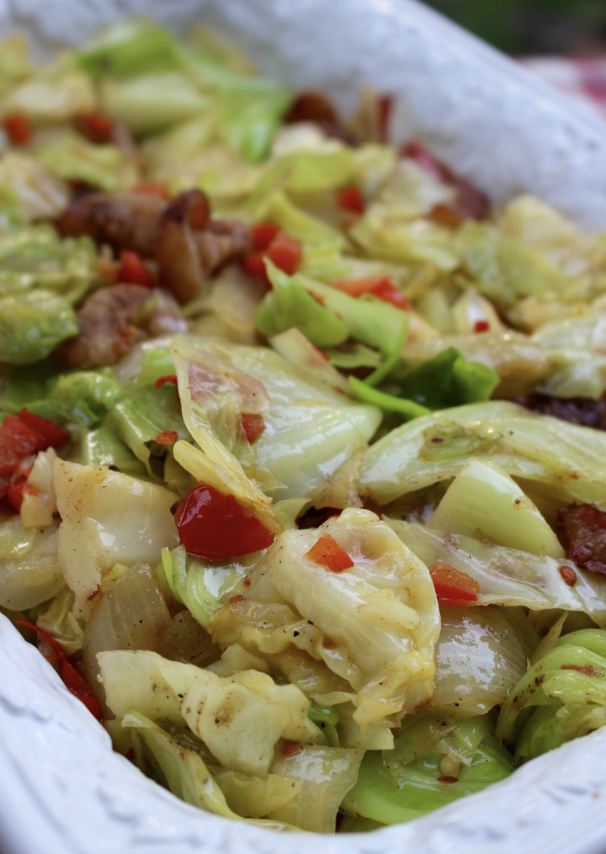
Sautéd Caramelized Cabbage
Ingredients:
1 Head of Cabbage, preferably Savoy or another mild flavored cabbage
2 Tbsp Canola Oil (or more, as needed)
1 Diced Red Bell Pepper for color, if desired
Salt and Freshly Ground Pepper, to taste
Instructions:
Remove the core of the cabbage head, then roughly chop it. There is no need to cut it into strips, or make this a time-consuming task. The cabbage leaves will separate while cooking. Dice the red pepper.
On medium-high eat, add the oil to a large frying pan. Once the oil is hot, add the cabbage chunks. To caramelize any vegetable, and bring out their natural sweetness, the heat must be high enough so that the water that seeps from the cabbage immediately evaporates.
Sauté until golden brown.
Caramelized Cabbage Soup
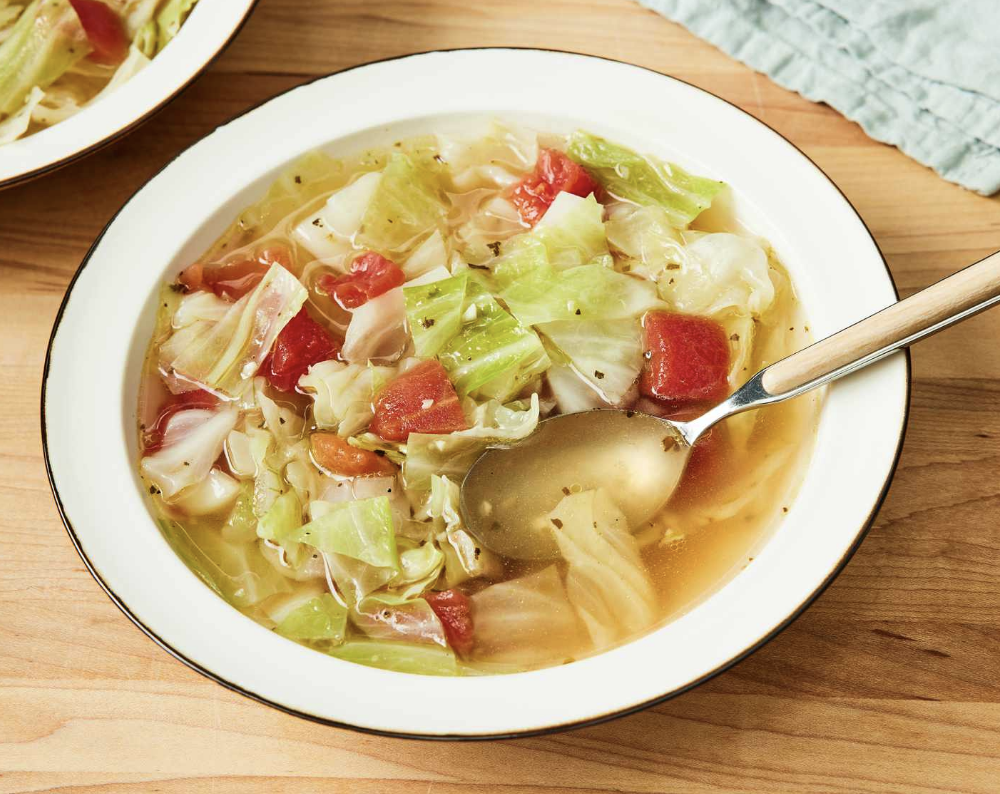
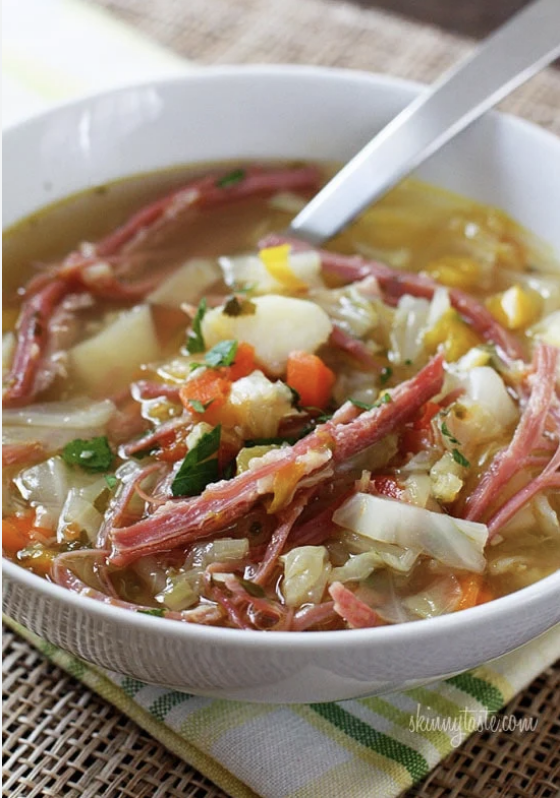
Once caramelized, this cabbage can be used as a side dish, main dish, or in a soup. Simply add it to heated broth. If other vegetables are desired, add them to your pan and sauté them together. Traditional vegetables for cabbage soup would be carrots, onions, celery, garlic and/or potatoes. For St Paddy’s Day, add slices of corned beef.
I Can Help You Succeed With GLP-1 Therapy Using Ozempic, Wegovy, Mounjaro, Trulicity, Saxenda, Zepbound, or Rybelsus
- At March 12, 2026
- By Katherine
- In Aging-In-Place, Articles, News
- 0

Studies indicate whether you’re on, or have discontinued GLP-1 medication, nutrition and lifestyle counseling prolongs and optimizes your successful weight loss, and your hard-won health improvements. They conclude that “A comprehensive approach, integrating regular communication with your doctor and dietitian, proactive management of side effects, and ongoing lifestyle counseling, with tailored nutritional plans are keys to success.”
Sadly, “within one year, 40% to 80% of people discontinue GLP-1 medications for several reasons including cost, insurance type, side effects, and co-existing medical conditions…” according to numerous studies.
In order to achieve the best and most long lasting results on these medications, the College of Lifestyle Medicine, the Obesity Society, the Obesity Medicine Association, and the American Society for Nutrition conclude:
“Evidence-based nutrition and lifestyle strategies play a pivotal role to address key challenges around GLP-1 treatment of obesity, making clinicians more effective in advancing their patients’ health.”
With 30+ years of experience successfully counseling my clients for weight loss, gastrointestinal issues, diabetes, and cardiovascular health, I can help you succeed. My services are covered by most insurance plans.
Virtual counseling available!
3 Perfect Super Bowl Party Recipes! Nothing Beats Chili, Fresh Salsa & Guacamole
- At February 04, 2026
- By Katherine
- In Aging-In-Place, Articles, News, Recipes
- 0
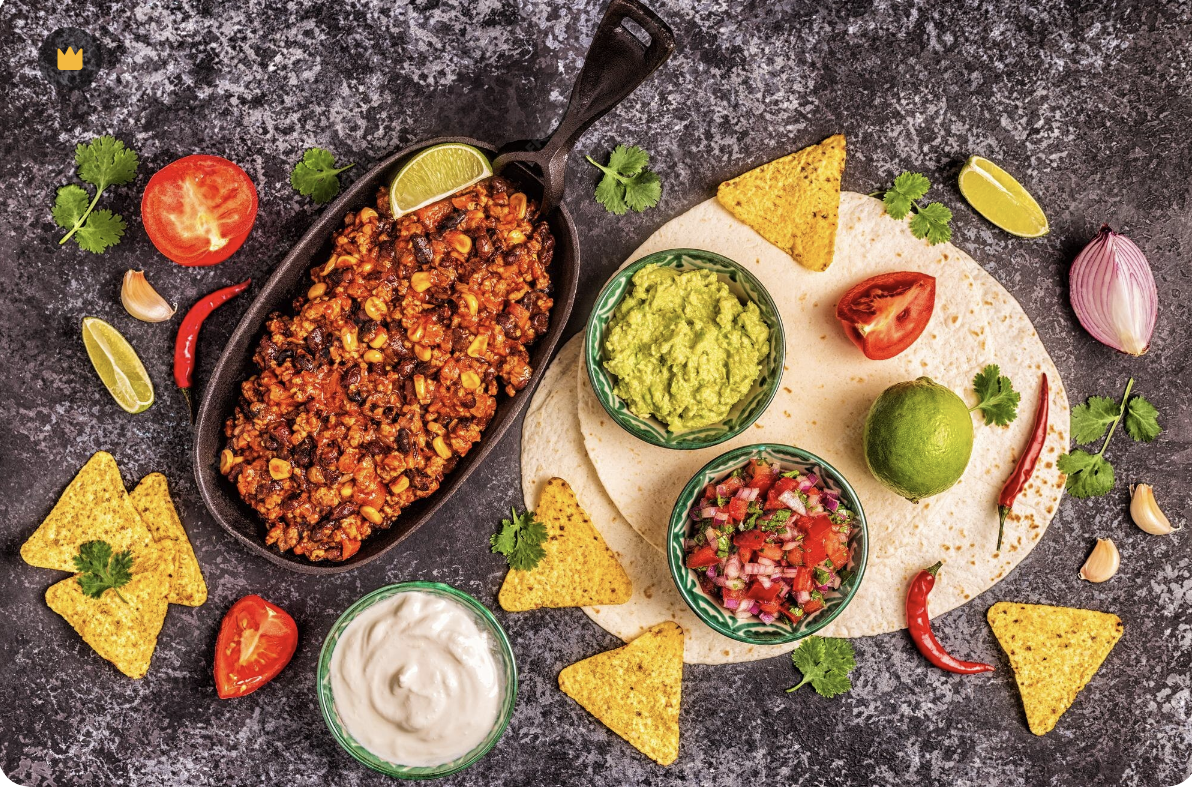
“Katherine’s ‘I Can’t Believe There’s No Meat’ Chili” is an all-around favorite. Serve it with whole grain chips (Yes, they’re fine!), and add a few more bowls for dipping of Nonfat Greek Yogurt: NO ONE will know it isn’t sour cream, I swear! Fill other bowls with “Katherine’s Fresh Salsa” and “Guacamole.”
Katherine’s I Can’t Believe There’s No Meat Chili
(excerpted from Diet Simple: 195 Mental Tricks, Habits & Inspirations by Katherine Tallmadge)
Try making this recipe a day ahead of time so the flavors and textures have a time to develop. Everyone loves this simple, quick chili recipe. It’s meatless but you don’t miss the meat because it’s so flavorful, and the texture is perfect. You should use the amount of garlic or chili powder that appeals to you. I like it hot and spicy! I double the recipe, using a whole pound of dried black beans, so I have plenty for the week. I use this dish as a lunch or dinner alongside a green salad. I also serve it at parties as a dip next to my fresh tomato salsa, nonfat Greek yogurt, and guacamole. It’s perfect rolled up in a tortilla or stuffed in a taco with some reduced fat cheese. It’s the quintessential Super Bowl recipe!
Serves 4
1 Tbsp Olive or Canola Oil, or more
1 Large Onion, Chopped
3 Large Garlic Cloves, Minced (more or less)
3 Tbsp Hot Chile Powder (try 50/50 Chipotle Chile, maybe a dash of smoked paprika, called “Pimenton,” and just a pinch of cinnamon)
1 Large Fresh Green Pepper,
Chopped1 28- oz. Can Italian Plum Tomatoes, chopped, including the liquid
1 Pound Can Kidney or Black Beans OR 2-15oz. cans
1/2 Cup Water (To Hydrate the Bulgur)
1/2 Cup Bulgur (Cracked Wheat)
2 Seeded Jalapeno Peppers, chopped, if desired
Salt and Pepper to Taste
Soak the bulgur in the boiling water for 15 minutes.
Meanwhile, sauté the onions and garlic in the oil over low heat in a large pot until soft, 15 or more minutes. Add the chile powder and simmer for a few more minutes. Add the Fresh Green Pepper and cook until al dente.
Add all remaining ingredients including the bulgur and simmer slowly over low to medium heat until flavors are well blended and vegetables are cooked to the desired consistency … a few minutes or longer, if desired. Adjust seasonings to your preference. Since many canned items were used, additional salt will probably not be needed.
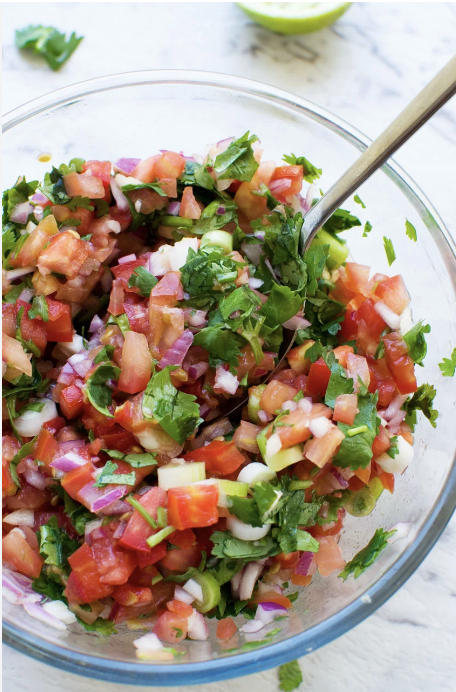
Katherine’s Spicy Mexican Salsa
22 servings
Ingredients
1 large onion, peeled and chopped (about ½ pound)
2 lbs fresh tomatoes, peeled, seeded and chopped (start with about 3-1/2 lbs) (Use canned tomatoes, if good tomatoes aren’t available)
3 – 4 jalapeno peppers (1 – 2 ounces), to taste
¼ cup chopped fresh cilantro
½ tsp salt, or to taste
3 – 4 Tbsp fresh lime juice (1 – 2 limes)
Add the onion to the tomatoes. Finely chop 2 of the jalapeno peppers to start with. Taste. If you desire more heat, add 1 – 2 more jalapenos. Mix in the cilantro. Add the salt depending on your taste. Mix in the lime juice.
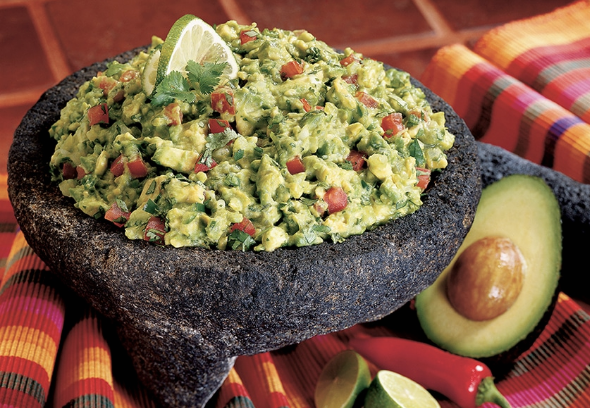
Katherine’s Guacamole
Ingredients
2 ripe avocados
1/3 cup chopped fresh cilantro
2 Tbsp lime juice
¼ tsp salt, or to taste
freshly ground black pepper, to taste
Cut avocados in half lengthwise and pull out the pits. Scoop out the meat. Place ina medium bowl and mash, keeping some large chunks. Mix in the cilantro, lime juice and salt. Taste to adjust seasoning.
Traditional Thanksgiving Recipes Reimagined
- At November 24, 2025
- By Katherine
- In Aging-In-Place, Articles, News, Recipes
- 0

Gathering friends and family and expressing thanks is a centuries long tradition. But do you really want your loved ones to leave your home feeling stuffed and uncomfortable? I recommend you try at least one of my recipes for your Thanksgiving table. You’ll find it’s the first to disappear, and may even become a new Thanksgiving tradition. Here are a few of my favorites.
Try buying as many of your ingredients at your local Farmer’s Market. It ensures your food is as fresh and tasty as they can be.
Soups
Katherine’s Light & Creamy Broccolli Soup with Carrots Potatoes and Thyme
Michele Richard’s Chicken, Mushroom and Barley Soup
Side Dishes
Warm Potato Salad with Haricots Verts with a Lemony Garlic Mayonnaise
Stir Fried Caramelized Cabbage
Desserts
Enjoy Halloween Sweets on Halloween – But Here’s How to Avoid Downward Spiral of Your Sweets Addiction Later!
- At October 25, 2025
- By Katherine
- In Aging-In-Place, Articles, News
- 0

Enjoy the holidays, but minimize some downsides by heeding these cautionary tales. Starting with Halloween, the holidays can trip up even the most conscientious and healthy eaters, can wreck the fittest bodies, and ruin the most beautiful skin. This has happened to many clients.

Cindy lost and kept off 20 pounds successfully. The Halloween trap caught her by surprise. She bought several bags of Snickers, her favorite candy bar, and began a binge that didn’t end until the candy was gone – long before Trick or Treat even began! That brought her up a couple of pounds. Next, the holidays came and before you know it, she had gained almost ten pounds before winter was out.
Another client traces the beginning of her adult acne to overeating Halloween candies brought home by her children. She still battles it years later. The research on acne confirms sweets are a primary dietary reason for skin problems, especially acne in adults, and in teens whose acne doesn’t improve at the usual rate, according to Advances in Dermatology and Allergology.

With Halloween and the holidays looming, it is important to determine your strategy for dealing with the temptation of sweets: what you eat, how much, what you bring in your home, and what you serve others.
My philosophy is, without exception, all food should be enjoyed!
But there are special challenges posed with some foods, particularly sweets, which have been confirmed by solid science – it’s not just in your head! Understanding the science behind sweet craving and overeating can help you eat in a way that saves your body, your skin, and your health.

People have an inborn attraction to sweets. If you don’t believe it, simply watch an infant’s response to something sweet versus, say, a vegetable. There is an automatic acceptance, even joy, after eating something sweet. On the other hand, vegetables are an acquired taste, which may take 10 to 20 tries before acceptance, in addition to experiencing positive examples set by peers and parents. This is partly explained by evolution. We’ve been eating naturally sweet foods such as breast milk and fruit for millions of years. They contain life-sustaining nutrients, and a love for those foods helped keep us alive. Also, during evolution, an attraction to scarce calorie-dense foods, such as sweets and fats, improved our chances for survival, according to a NIH Director’s Blog article.
But there are other explanations. The research surrounding our attraction to sweets has stepped up in recent decades. Scientists are grappling with understanding the calorie imbalances causing the obesity epidemic, which is partly fueled by eating too many sweets.
Sweets Addiction
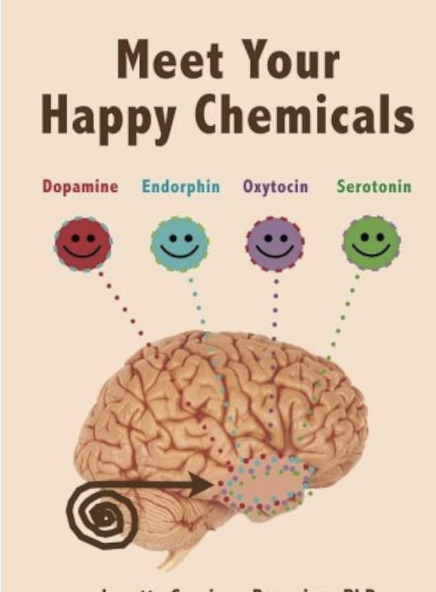
Our brain chemistry holds an important clue. Research shows that sweets increase the “happy” brain chemical, dopamine , which increases your mood. Eating carbohydrates, such as sweets and fruit improve mood; which is why a handful of candy corn may help you feel better. Compounding this, the reduction in sunlight in colder weather, reduces the brain chemical, serotonin, which can lead to depression in susceptible people
When we’re stressed, anxious or depressed, dopamine and serotonin levels can drop, and one way people modify their bad mood is by eating carbohydrates, especially sweets. This leads to increased levels of depression, which may be the trigger for overeating in some people, depending on their coping mechanisms for depression.
Cravings and overeating are difficult to study because they can be subjective and multifactorial.
Other researchers stipulate sweet cravings are mainly determined by culture or by psychological and behavioral factors, rather than physiology.

In some cultures, people don’t crave sweets because they haven’t been exposed to them as regularly as Americans. A study of chocolate, for instance, found that American women crave chocolate significantly more than Spanish women. And while a large percentage of American women reported increased chocolate cravings surrounding their menstrual period, Spanish women did not, according to the journal, Appetite.
Other studies confirm that exposure during childhood is the major determinant of what we crave and are susceptible to overeating.
I copied my mother’s love for sweets and baking; it was a fun activity we did together. In college, to combat loneliness, and heck just for fun, I over-indulged my love for sweets (as the pounds went up and up). I would regularly bake my favorite chocolate chip bars and caramel popcorn, both of which I made in childhood. Study after study shows the importance of parental modeling on a child’s preferences, according to a study in the journal, Nutrients.
Availability and proximity are two of the most important factors science have found influence what we crave and overeat and they probably trump all of the other reasons combined, according to a study in the European Journal of Nutrition. When tasty foods, such as sweets, are around, we simply eat more of them, according to The Annual Review of Nutrition.
Chances are, a combination of factors is responsible for cravings and overeating sweets at Halloween and the holidays. Holiday sweets are novel, they only come around once a year. They comes in small pieces so you fool yourself into thinking you’re not eating as much. You put it in bowls around the house and eat it mindlessly.
If you have a strong desire for sweets, it may be a sign that you’re depressed, anxious or stressed. But you don’t have to indulge in sweets to raise your serotonin levels or to feel good. Physical activity, stress management, meditation, spending time with loved ones are activities which will help reduce depression, anxiety and stress. Physiologically, they will increase seratonin and dopamine levels, two brain chemicals responsible for happiness, according to Frontiers in Psychology (My client discovered a psychological basis for her binges, which she is successfully averting these days).
Using candy to feel better is not a great solution for your waist line. It is so high calorie, it doesn’t take much to overeat and forget your weight loss plans. For the same calories in a candy bar, you could eat four apples, or maybe you couldn’t – and that’s the point!
Don’t get me wrong, I’m not urging you to be a Halloween Scrooge. I believe it’s possible to have fun with Halloween, and even eat Halloween candy, but still avoid some of the excesses that many of us have fallen victim to in the past. Here are a few suggestions:
Tips to Reduce Sweet Cravings
- To reduce the possibility of seasonal cravings, make sure you’re getting 30 minutes to one hour of sunlight each day by taking a walk in the mornings or at lunch. You may be able to “catch up” on the weekend, if you didn’t get enough rays during the week,
- Eat plenty of healthy carbohydrates, such as fruits, vegetables, whole grains and legumes, to keep serotonin at optimum levels and reduce cravings of less healthy carbohydrates, such as refined sugar,
- If you feel driven to eat sweets, it may be a signal that you’re depressed, anxious or stressed. Reduce tension and anxiety by exercising, meditating or talking with loved ones. It’s important to understand the core of the problem and for that, you may need to seek help from a professional,
- If you want to lose weight, keep your candy – or other “extra” calories – to no more than 10% of your daily calories (that’s 200 calories for the average 2,000 calorie intake, or 150 for 1,500 calories). You may even get away with one big splurge on Halloween. But if you splurge for two or more days, it will probably effect your waist line negatively,
- If you can’t resist eating too much candy, wait to buy it on the day of the party or event (or, don’t buy it). This way, the candy won’t be sitting around as a constant temptation,
- Buy only what you need for the event and buy your least favorite candy. Give away the remaining candy at the end of the evening so that there’s nothing left,
- Try fun and healthier alternatives to sweets to have around your home and serve to family and guests, such as popcorn, roasted pumpkin seeds, sliced apples and fruit with nice dips,
- Most importantly, if you do find you overeat, lighten up, don’t dwell on the negative and get over it! Analyze objectively what you can do differently next time,
With awareness and good planning, you can have your sweets and eat them, too!
Urgent! Surviving the Heat, Preventing Heat Stroke, and Death During This Dangerous Heat Wave: #1 Piece of Advice? Pale Pee!
- At June 22, 2025
- By Katherine
- In Aging-In-Place, Articles, News
- 0

If you experience any of these symptoms, Call 911
This article appeared in The Huffington Post
Unprecedented heat waves across the United States have significantly increased heat stroke deaths, and heat related illness emergency room visits significantly over previous years. Multiple deaths have been reported. And the coming heat has been especially deadly and unprecedented.
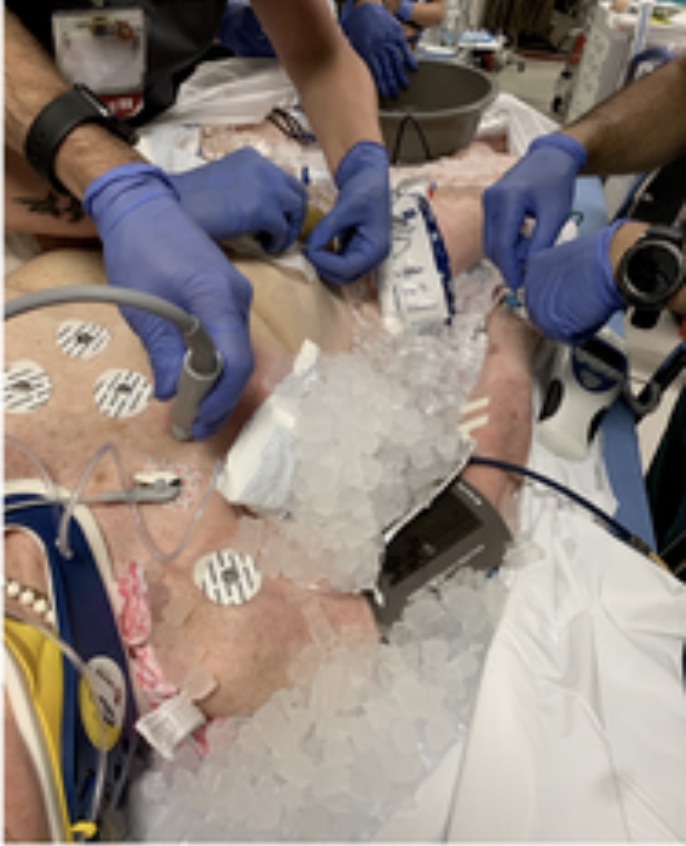
Even experienced amateurs and professionals experience heat stroke. And I’ve seen it up close. I’ll never forget volunteering at the Marine Corps Marathon’s Finish Line Emergency Tent. The experience was horrifying and exhilarating at the same time.
I spoke at the marathon’s scientific conference the day before, and the other speakers — dedicated medical specialists who came from around the world — were amazing. Their expertise and dedication saved many lives at the marathon.
What is seared in my brain forever were the exhausted runners stumbling, vomiting, and defecating on themselves. The room reeked! They were so disoriented, they couldn’t remember their own names, let alone their birth dates. They were triaged quickly into the emergency tent on the verge of death: Forced into ice-water baths screaming, surrounded by emergency doctors hooking them up to IVs. It was heat stroke. I’d never seen the like!
Once their body temperatures were lowered, and their blood fluids increased, and balanced with the right electrolytes, they were whisked off in waiting ambulances to nearby hospitals. Everyone survived that day.

The Most Essential Nutrient: Water
Nutrients don’t only come in the form of food; water is the most important, and often most forgotten, nutrient. You can last for some time without food, but only days without water. Your lean body mass contains about 70 percent to 75 percent water, with fat containing much less: about 10 percent to 40 percent water. Because of increased muscle mass, men’s and athletes’ bodies contain more water than bodies with proportionately lower muscle and higher fat, such as non-athletic women, people who are overweight and people who are older.
Water is:
-The solvent for important biochemical reactions, supplying nutrients and removing waste.
– Essential for maintaining blood circulation throughout your body.
– The maintainer of body temperature. As you exercise, your metabolism and your internal body temperature increase.
How sweating keeps us alive
Water carries heat away from your internal organs before serious damage occurs, which can lead to heat stroke, and even death. The heat travels through your bloodstream to your skin, causing you to sweat. As the sweat evaporates, this allows you to cool off and maintain a safe body temperature, optimal functioning and health.
Daily water intake must be balanced with losses to maintain total body water. Losing body water can adversely affect your functioning and health. Once you start feeling thirsty, you’ve probably lost about 1 percent of your body water and are dehydrated. With a 2 percent water loss, you could experience serious fatigue and cardiovascular impairments. It’s important to note that individual fluid needs differ depending on your sweat rate, the environmental temperature, your clothing, humidity and other factors.
Heat Illness First Aid
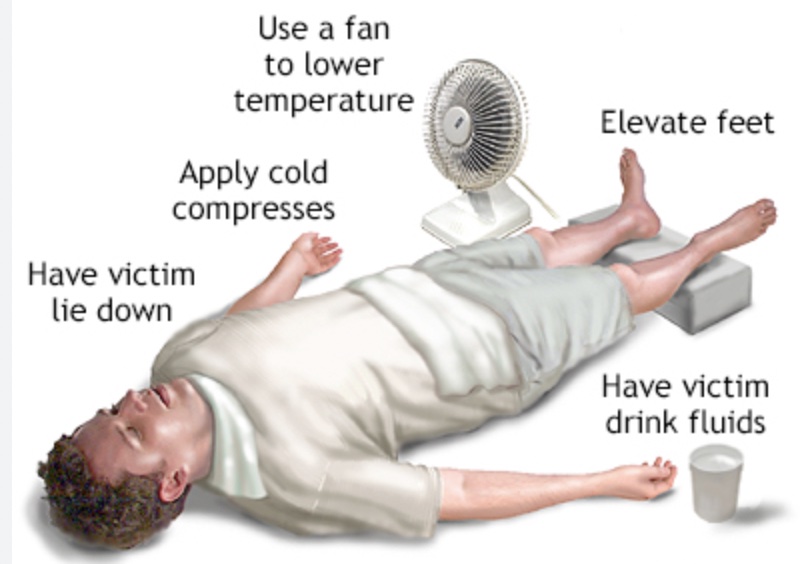
Hydration Tips For Preventing Heat Stroke
– Drink enough water to prevent thirst. Monitor fluid loss by checking the color of your urine. It should be pale yellow – not dark yellow, smelly or cloudy.

– For short-duration (less than 60 minutes), low-to-moderate-intensity activity, water is a good choice to drink before, during and after exercise,
– Any time you exercise in extreme heat or for more than one hour, supplement water with a sports drink that contains electrolytes and 6 percent to 8 percent carbohydrates. This prevents “hyponatremia” (low blood sodium), which dilutes your blood and could also lead to serious impairment and death,
– Begin exercise well-hydrated. Drink plenty of fluids the day before and within the hour before, during and after your exercise session,
– Avoid alcohol the day before or the day of a long exercise bout, and avoid exercising with a hangover,
– Consider all fluids, including tea, coffee, juices, milk and soups (though excluding alcohol, which is extremely dehydrating). The amount of caffeine in tea and coffee does not discount the fluid in them, even if they have a slight diuretic effect, according to the most recent report by the National Research Council’s Food and Nutrition Board.
– Eat at least five cups of fruits and vegetables per day for optimum health, as they all contain various levels of water and the all-important nutrient potassium,

– During exercise, for those who experience high sodium losses, eat salty foods in a pre-exercise meal or add an appropriate amount of salt to sports drinks consumed during exercise. Orange juice is high in potassium. Dilute juices, such as V-8 or orange juice, 50/50 with water so that the drinks are 6 percent carbohydrate solutions (the same as sports drinks), which will empty from your stomach quicker than 100 percent juice (juices are naturally 12 percent solutions), allowing the electrolytes and water to quickly reach your heart and organs,
– Following strenuous exercise, you need more protein to build muscle, carbohydrates to refuel muscle, electrolytes to replenish what’s lost in sweat, and fluids to help rehydrate the body. For two hours or less exercise, yogurt and water are excellent choices. For strenuous or long distance exercise of more than two hours, low-fat chocolate milk is a perfect, and natural replacement that fills those requirements,

– You can also replace fluid and sodium losses with watery foods that contain salt and potassium, such as soup and vegetable juices,
– For long hikes, when you’ll need food, dried fruit and nut mixtures contain high amounts of potassium, sodium, protein, carbs and calories — though continue to drink plenty of water,
– To determine your individualized need for fluid replacement: During heavy exercise, weigh yourself immediately before and after exercise. If you see an immediate loss of weight, you’ve lost valuable water. Drink 3 cups of fluid for every pound lost; use this figure to determine the amount of water (or sports drink) you’ll need to drink before and during your next exercise session to prevent weight/water loss in the future.
Most Olive Oil is Not As Healthful As You Think
- At May 17, 2025
- By Katherine
- In Aging-In-Place, Articles, News
- 0
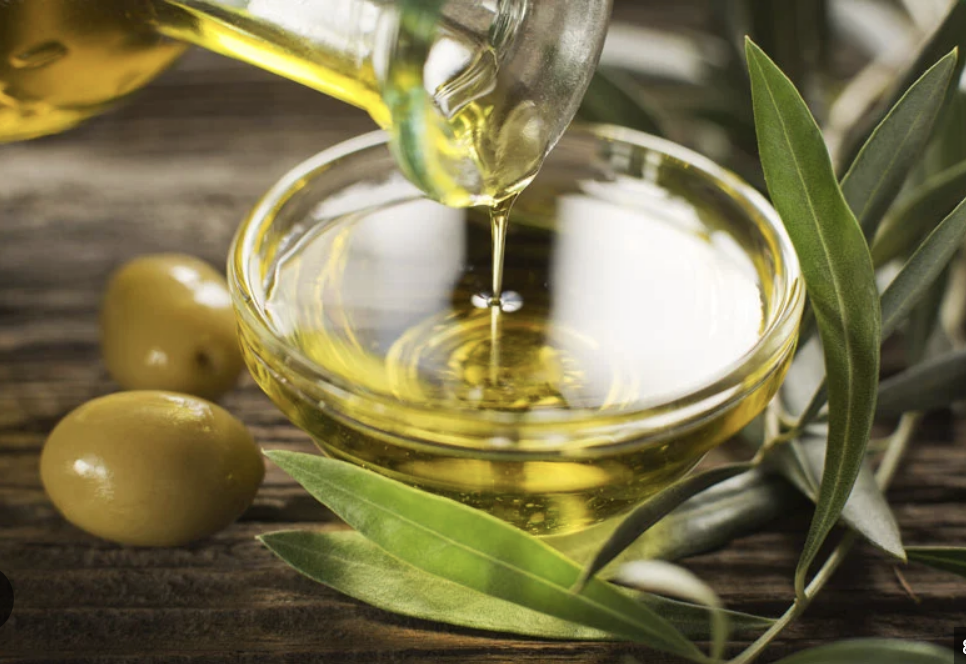
Photo credit: North American Olive Oil Association
Does that mean you won’t receive the expected health benefits when using olive oil bought on America’s grocery shelves? Probably not!
This issue first came to my attention at a Mediterranean Diet Conference I attended in Florence, Italy, co-sponsored by New York University’s Department of Dietetics and the James Beard Foundation.
The following story was originally published in The Washington Post… Read the article in Livescience.com
Olive Oil Gets Worse with Age
You feel good about using olive oil, right? You know it’s good for you, tasty and easy to use. Still, to get the most benefits — and the best bang for your buck – there’s more you should know.
“The health benefits of olive oil are 99 percent related to the presence of the phenolic compounds, not the oil itself,” says Nasir Malik, research plant physiologist at the U.S. Agriculture Department’s Agricultural Research Service.

Malik is referring to the polyphenols in olive oil, nutrients also found in wine, tea, cocoa and many fruits and vegetables that have been discovered over the past decade to be the substances responsible for the bulk of olive oil’s health benefits, without which “you might as well use canola oil,” Malik says.
And when tested, polyphenols were surprisingly low in most commercially available olive oils, according to a recently published study conducted by the Agricultural Research Service, co-authored by Malik.
They also don’t live up to international or U.S. Agriculture Department quality standards, according to studies conducted by the University of California at Davis Olive Center.
The good stuff
Polyphenols decrease heart disease risk factors by lowering blood pressure and cholesterol, reducing blood clotting and improving the health of artery linings.
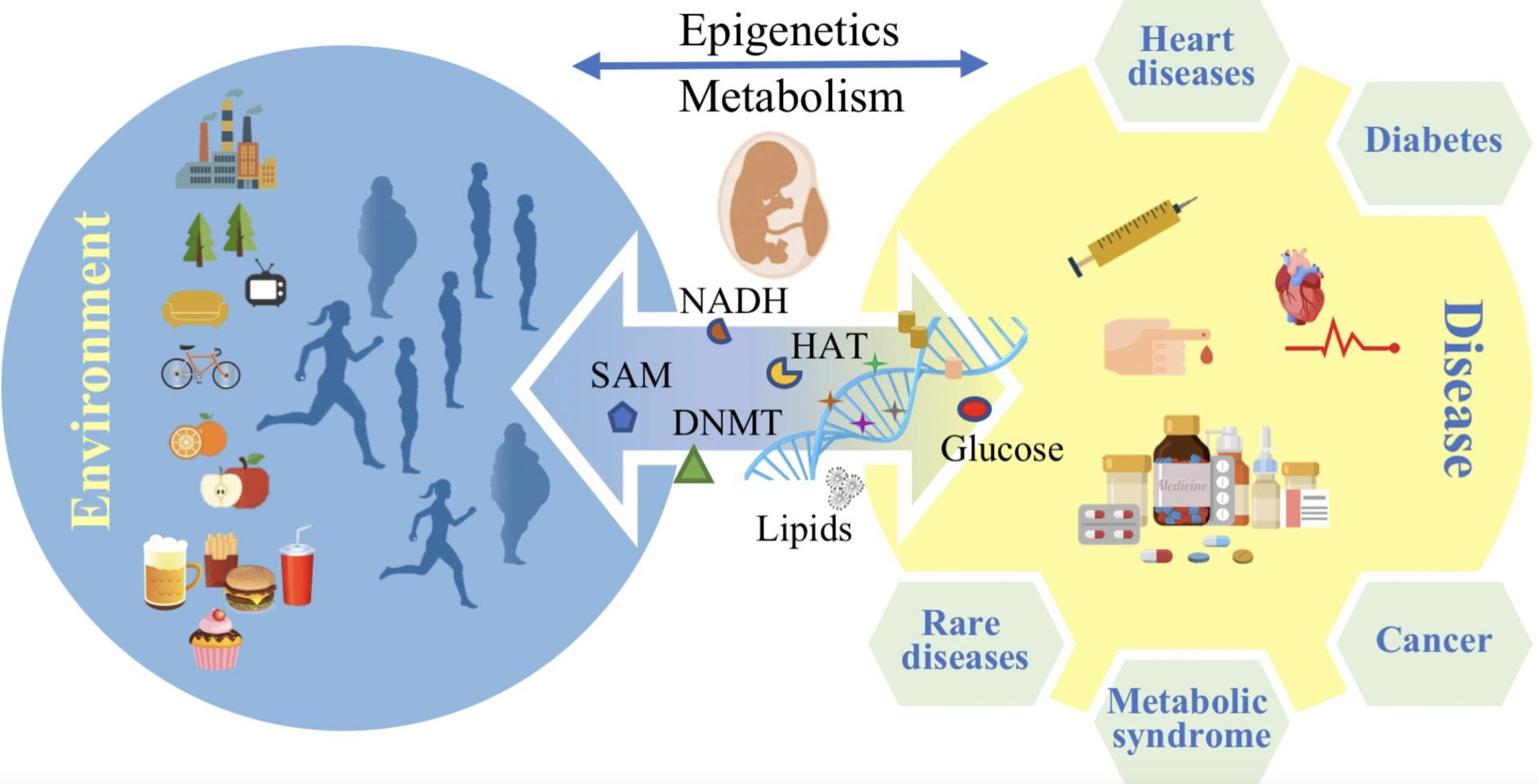
Researchers have discovered that there are “healthy genes” that, when activated, reduce your chances for metabolic syndrome, the name for a group of risk factors (high blood pressure, cholesterol, and glucose) that together increase the risk for heart disease, America’s No. 1 killer. Fresh, high-polyphenol olive oil affects these genes in a positive way, reducing your risk for metabolic syndrome and heart disease, according to the 2025 study in Clinical Practice. But low-polyphenol olive oil does not have the same effects.
Polyphenols also reduce cancer risk by lowering inflammation and cellular proliferation. This “review of 45 individual studies reveals that, overall, highest versus lowest olive oil consumption was associated with 31% lower cancer risk. Significant protection was noted for breast, overall gastrointestinal, upper aerodigestive and urinary tract cancer,” according to a 2022 study in PLoS One. They act as antioxidants, reducing oxidation and cell damage, which leads to many degenerative diseases.
Olive oil polyphenols even reduce microbial activity and infections. “Experimental studies have confirmed significant anti-inflammatory and immunomodulatory effects of dietary virgin olive oils and its bioactive components supplementation in preclinical models of autoimmune diseases, such as inflammatory bowel disease, rheumatoid arthritis, systemic lupus erythematosus and sclerosis,” according to this 2019 study in Nutrients.

These biological benefits explain, in part, why the Mediterranean diet, high in olive oil, has been linked with superior health. But there is an advantage even the poorest of the poor in Mediterranean countries have enjoyed since at least 4,000 B.C.: freshly harvested olive oil. That’s because olives were growing on trees in their own back yards; it was plentiful and cheap. But its freshness had been taken for granted.
Waning quality
Studies show that as days, weeks and months go by after harvest, the polyphenol content and health benefits of the oil diminish.
“Think of olive oil as olive juice with a maximum two-year shelf life,” says Selina Wang, research director at the U.C.-Davis Olive Center.
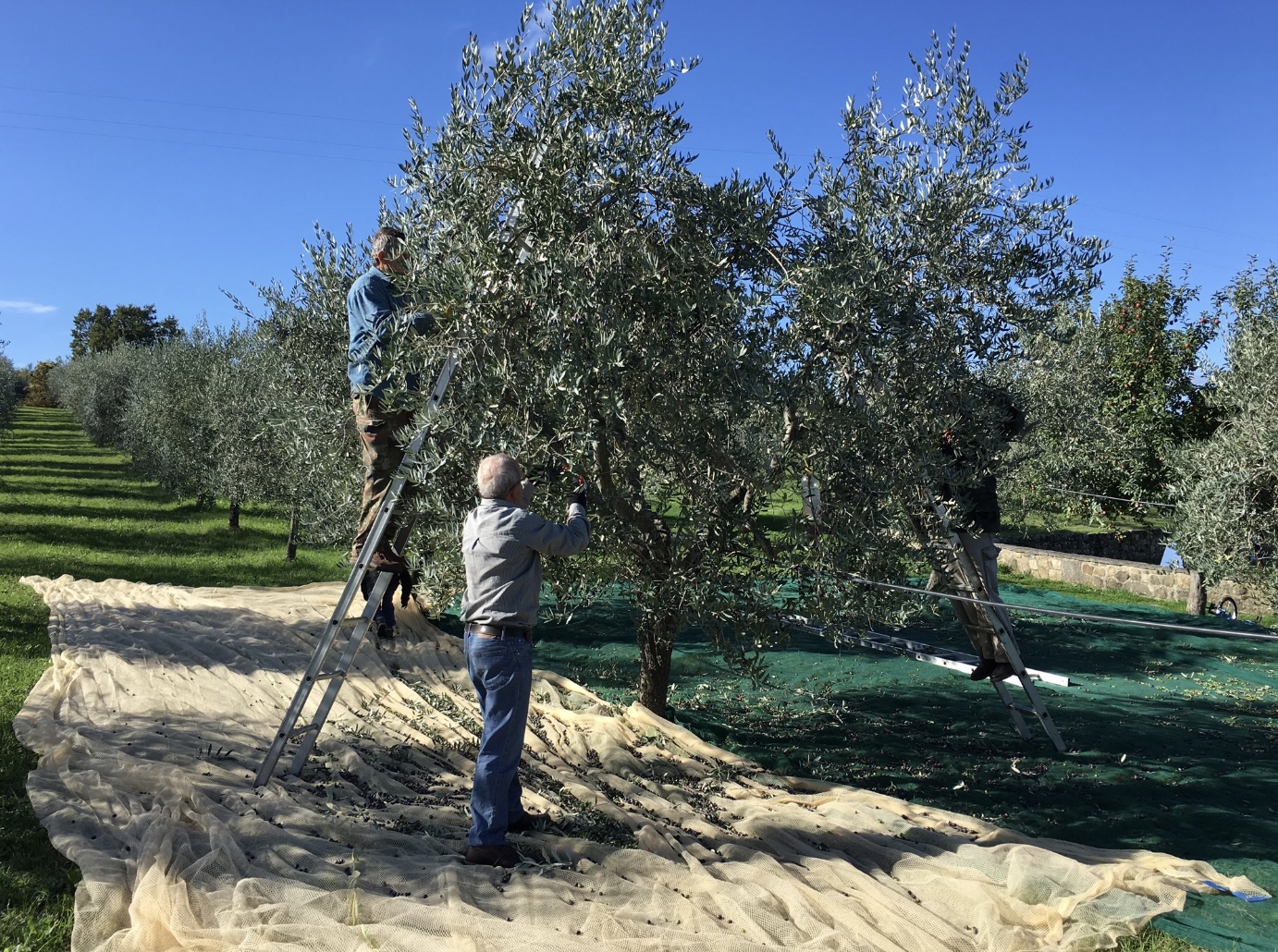
Several factors are responsible for the polyphenol content of olive oil, according to the experts:
●Harvesting method: Rougher treatment and exposure to the elements reduces polyphenols.
●The age of the trees: Older trees contain significantly more.
●Olive maturation: Green olives contain more polyphenols than ripe olives, though it’s easier to extract more oil from riper olives.
●Processing: The less processing the better. “Extra virgin” olive oil, which is cold-pressed only once, has the highest polyphenol levels. Two presses (“virgin” olive oil), reduces polyphenol content further, and oil with three extractions contains only about half the value of “virgin” olive oil. Highly refined or “light” olive oils, which use heat or chemicals in the refining process, have significantly lower polyphenol levels.
●Storage: Any exposure of the harvested olives or the oil to heat, light or air will reduce polyphenol content. (If you’re using extreme heat in cooking, you’ll most likely lose the polyphenols anyway, so you might as well use canola oil, which contains more heart-healthy omega-3 fatty acids.)
The Quest
Marcia Horting and her husband, Marc Marzullo, who visit Italy regularly, are on a constant quest for great olive oil. “We look for oils produced by single vineyards, co-ops in small towns like Volpaia, or high-quality Tuscan producers that are grassy and spicy,” says Horting, a consultant in Gaithersburg. She has noticed that in the bigger stores in Paris and Rome serving tourists, “older olive oils are sold at the same prices as the more recent harvest.”
Luckily, you no longer have to travel to Italy for high-quality extra virgin olive oil, as they are now being produced in the United States. They’re may be fresher — and with a price you can afford. California is the leader of the olive oil-producing states, but Texas, Oregon, Arizona and Georgia are producing a small amount.
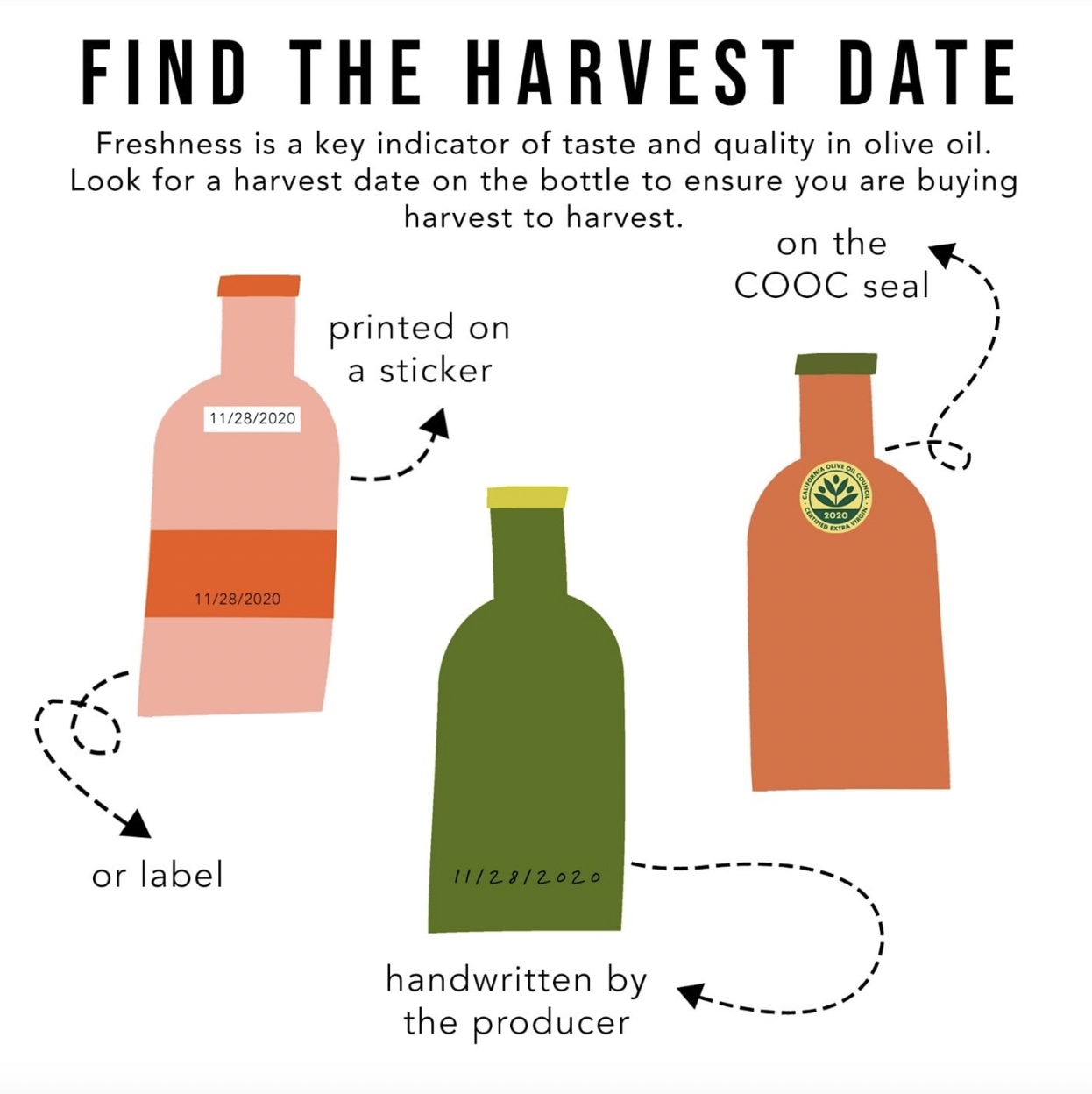
It’s tricky knowing the olive oil you’re buying is high-quality, fresh extra virgin olive oil. In most U.S. stores, I have found olive oil with harvest dates on perhaps one out of 20 bottles. Some have “sell-by” dates, which are usually two years after harvest (already too old!), though there are no standards for a sell-by date, so there is no guarantee how old your olive oil is unless there is a harvest date. Olives are harvested once annually, usually in the fall/winter, depending on the region. Look for a harvest date within the past year.
Even if it has a harvest date, you still won’t know whether it has been harvested and handled to maximize polyphenol content.
The way I handle this is by going to a specialty shop where the owners are familiar with the olive farm from which the olives were harvested and the oil processed, or somewhere that I know sells California or Texas olive oil. I make sure the container is opaque. It has to have a harvest date within the past year. I keep it in a cool, dark cabinet at home, and use it up quickly. I save expensive olive oil for drizzling on salads and use canola oil for cooking, especially with high heat.
The more consumers demand harvest dates and proper handling, the more these products will become available.
What to look for
Advice from Dan Flynn, executive director of the UC-Davis Olive Center:
●Look for a harvest date on the label (it should be no more than one year old). Freshness is important for quality and nutrition. Some retailers are becoming more savvy about this.
●Color is not an indicator of freshness. Some people think a strong green tint means better quality, but some olive varieties are just greener than others. Some high-quality olive oils are a golden color.
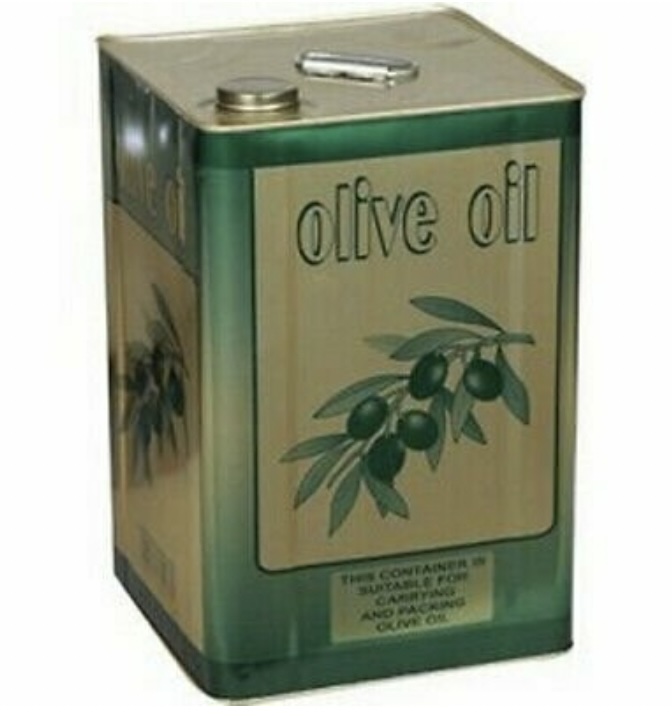
●Buy olive oil in a container that protects the oil from light. That could be dark glass or a tin.
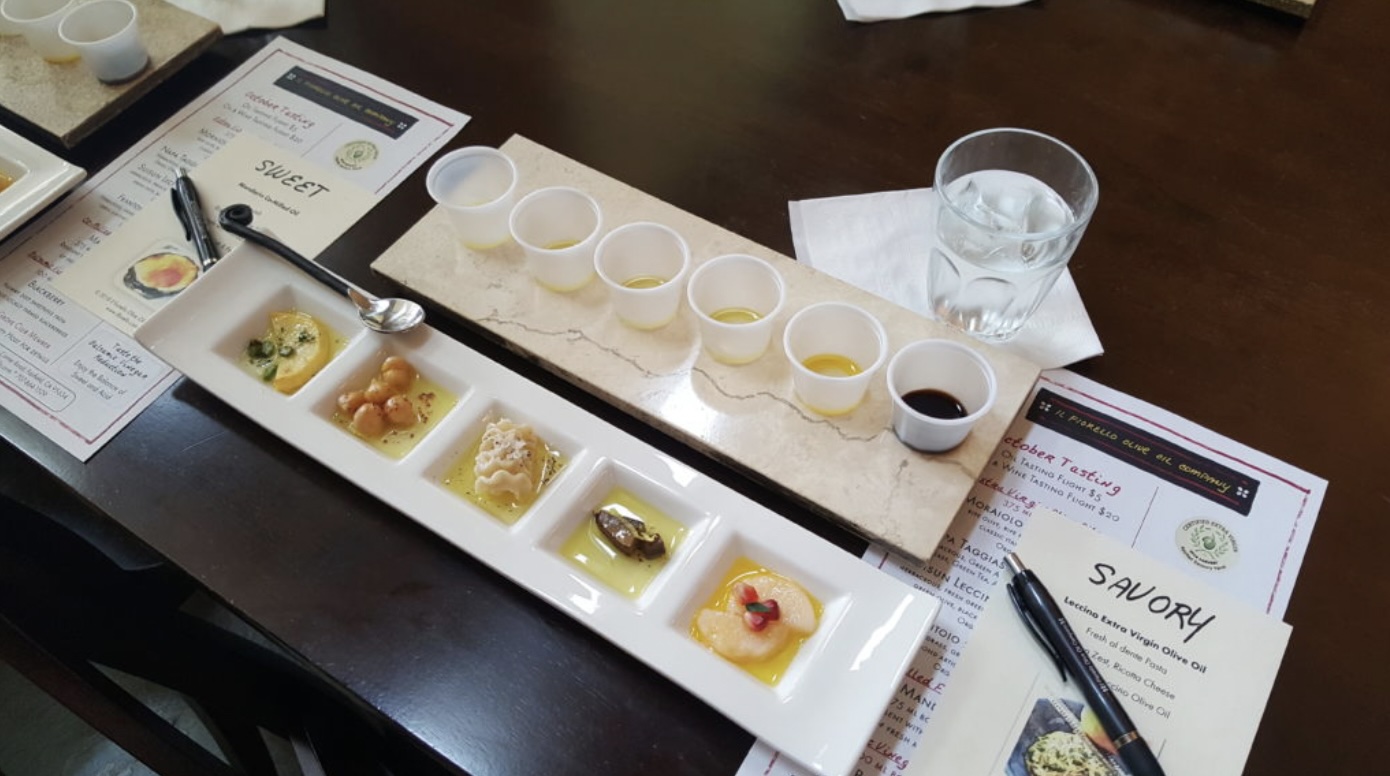
●People need to taste truly fresh oil. I believe most people are used to an oil that is not fresh, and that’s what they think it should taste like. There’s a high-quality product available at the same price. Extra virgin olive oil has a special flavor and freshness. Once people taste fresh extra virgin olive oil, they’ll want to continue choosing it.
●Olive oil should smell fruity and taste and smell like olives. Some describe high-quality olive oil as “grassy” or “peppery.”
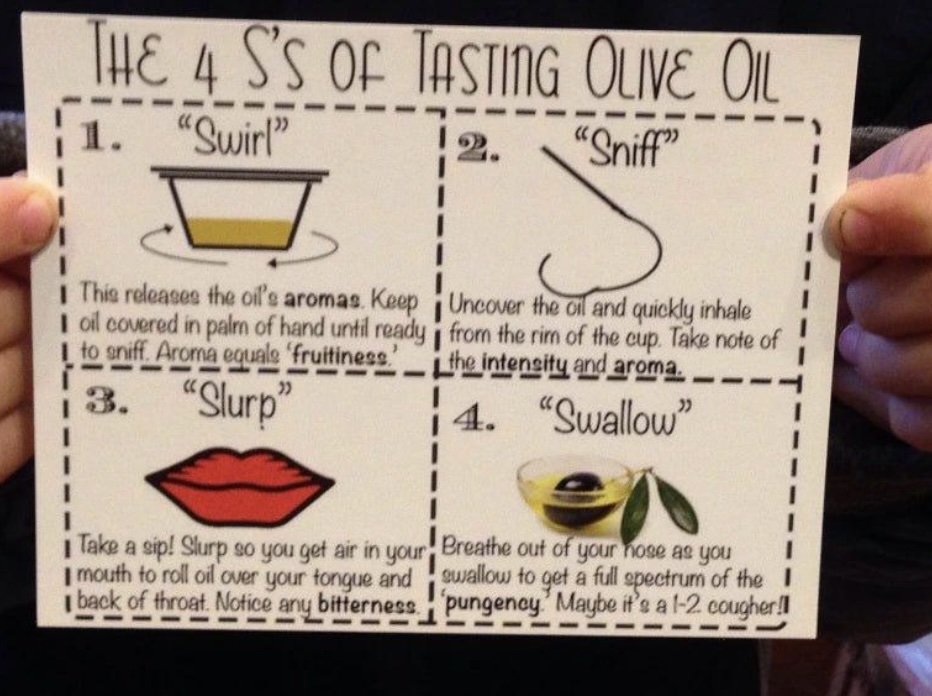
For maximum nutrition, quality and flavor, ideally, the olive oil you buy should not be more than one year old. It should say “extra virgin.” It should be harvested carefully, processed quickly and minimally, stored in a cool dark environment, opened and used quickly without too much exposure to air.
This piece was originally published in The Washington Post.
Buy Your Chocolate While You Can Afford It! (I did): 38% and 21% Tariffs on the Highest Cocoa Producing Countries.
- At May 12, 2025
- By Katherine
- In Aging-In-Place, Articles, News
- 0
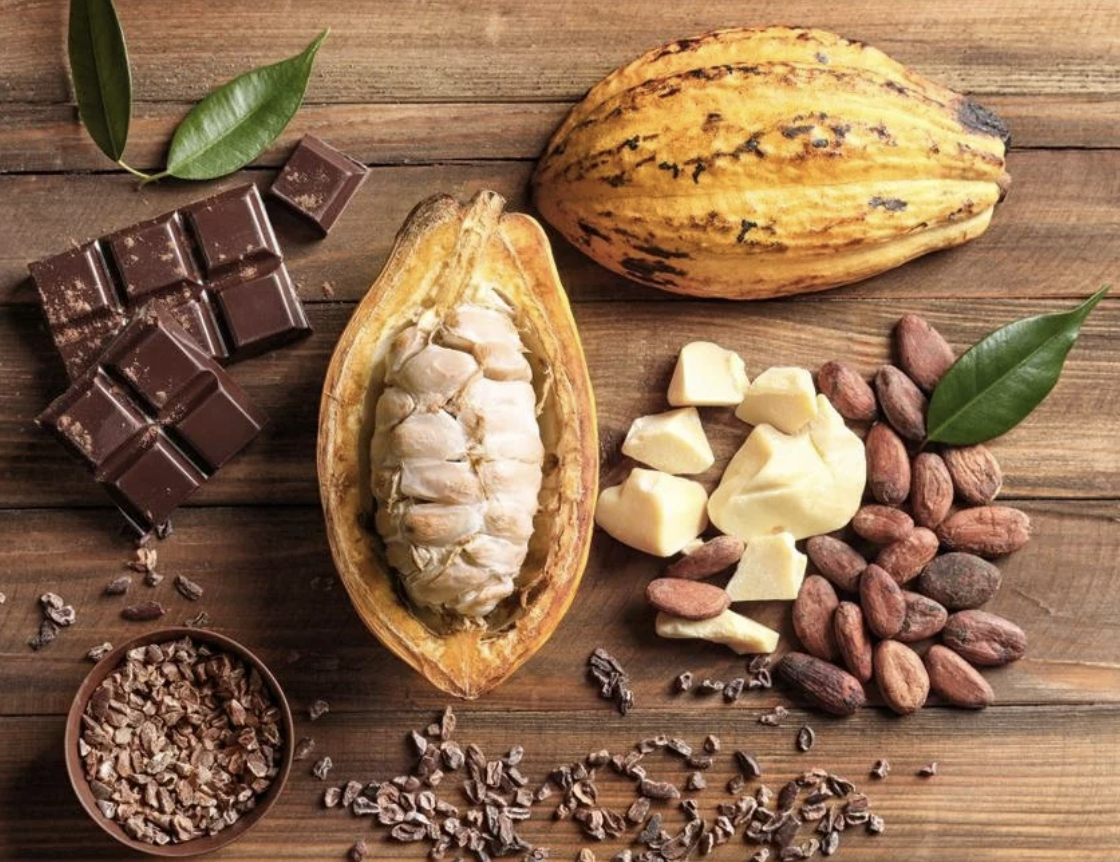
I just bought several pounds of my favorite Belgian Dark Chocolate in light of this recent news. The highest cocoa producing countries, Ghana and The Ivory Coast, are slated to be charged 38% and 21% tariffs, respectively, for their exports by the Trump administration. Depending on the country, new tariffs are anywhere between 10%, the baseline tariff for all countries, and 38%, according to Americas Quarterly. (Though worldwide, 50% is the highest so far – or 145%, depending on the day!)

“There are over 2 million small cocoa farms in [the West] African region thanks to its favorable climate and fertile soils that make the land ideal for cocoa cultivation. These and other regions 20 degrees north and south of the equator also offer the essential climatic conditions—hot and humid—for growing cocoa,” according to the Cocoa Confectionary Company.
Chocolate is Important!
I recommend dark chocolate as the rare healthy treat that has virtually no downsides. And just about everyone loves it. It’s an excellent choice for people with diabetes because chocolate has a low glycemic index, with dark chocolate being about 22 and milk chocolate at about 50. Just keep the amount to no more than about an ounce, which costs about 150 to 170 calories. A luxurious dessert for my guests is topping a bowl of fresh raspberries with dark chocolate shavings. I like to chop dark chocolate into my evening yogurt.
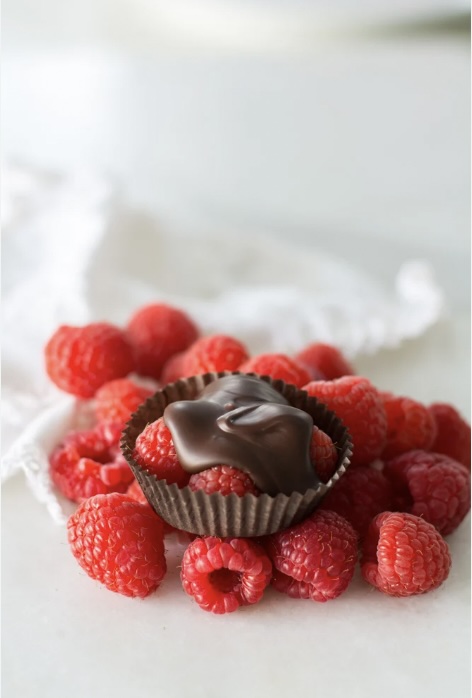
Cocoa and dark chocolate have been associated with a reduction in all causes of death. In fact, “chocolate contains several health-promoting factors (bioactive components – polyphenols, flavonoids, procyanidins, theobromines, etc, and vitamins and minerals) that positively modulate the immune system of human beings. It confers safeguards against cardiovascular diseases, certain types of cancers, and other brain-related disorders like Alzheimer’s disease, Parkinson’s disease, etc. Dark chocolate is considered a functional food due to its anti-diabetic, anti-inflammatory, and anti-microbial properties. It also has a well-established role in weight management and the alteration of a lipid profile to a healthy direction,” according to a 2022 study in Current Research in Food Science.
For more on chocolate’s health benefits, check out my Washington Post article.
NOTE: I keep my chocolate in the refrigerator to keep it fresh