Katherine’s Weekly Market Recipe: Greek Salad with Heirloom Tomatoes
- At July 27, 2012
- By Katherine
- In News, Recipes
 0
0
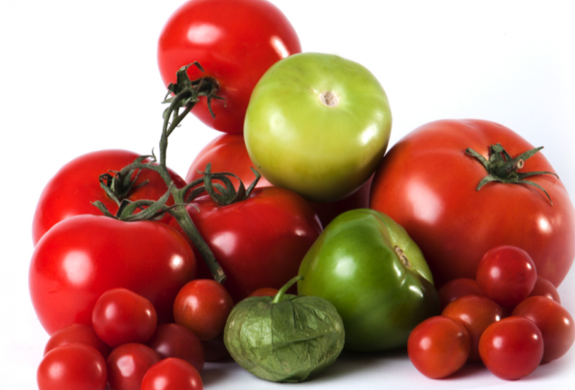
Tomatoes (Photo by the Academy of Nutrition and Dietetics)
When I was young, one of my most vivid memories is the taste of my Grandmother’s vine-ripened tomatoes. Every year, she would grow at least 20 tomato plants — and only tomatoes — in her back yard in Columbus, Ohio. They were her favorite vegetable (though technically a fruit), and became mine too. I’ll never forget how soft, plump, sweet and deep red they were. Definitely not today’s traveling kind. They were the kind you picked and ate, still warm from the day’s sun. The kind which you can only get from your own back yard – or the Farmers Market.
Today is the first of “Katherine’s Weekly Market Recipes,” all of which are designed to be delicious, easy, quick, family-friendly, nutritious (heart-healthy & diabetes-friendly), and to highlight produce found at our local Farmers Markets this week. At your Farmers Market, you’ll find produce picked at peak ripeness, which means maximum flavor, texture and nutrition. You’re also helping save the environment when you buy at your Farmers Market. Here’s how…
Greek Salad with Heirloom Tomatoes
By Katherine Tallmadge, M.A., R.D.
8 servings
Ingredients:
Vinaigrette:
2 Tablespoons Freshly Harvested Extra Virgin Olive Oil
2 Tablespoons Freshly Squeezed Lemon Juice (1 Lemon)
1 Tablespoon Chopped Fresh Oregano or Basil (or 1 tsp dried)
1 Clove Garlic, Minced (optional)
Salt and Pepper to Taste (Salt is not necessary with the cheese and olives)
Vegetables:
2 cucumbers, peeled, seeded and sliced into a half-moon shape
1 onion, peeled and chopped coarsely
1 medium yellow, purple or green bell pepper, cored, seeded, chopped into large bite-size pieces
1 cup pitted Kalamata or other Greek Olives
4 Heirloom Tomatoes, quartered, and cut into large, bite-size pieces
4 ounces Feta or Goat Cheese, broken into small bits
Instructions:
Combine the vinaigrette ingredients in a large salad bowl and whisk until blended. Add the cucumbers, onion, pepper, and olives and toss into vinaigrette. Let sit for twenty minutes to marinate. Add the heirloom tomatoes and cheese when ready to serve.
Tomatoes
Tomatoes are one of the “superfoods.” Men who consumed 10 or more servings of tomato products a week had a 35% decrease in risk of prostate cancer relative to those who consumed 1.5 servings or fewer per week. This is largely attributed to “lycopene” in the tomatoes, which is also in other red fruits such as watermelon, pink grapefruit and guava. Men with lycopene levels in the top 20% had a 46% decrease in risk of heart attack compared to those in the bottom 20%. Lycopene is a potent scavenger of gene-damaging free radicals. But don’t expect to get it from a supplement. You must eat the tomato as you need the whole food to receive the benefits! Here’s why…
If you would like to have one of your recipes highlighted by Katherine, please email Katherine with your recipe for testing, along with the story behind your recipe. All recipes must be heart-healthy and diabetes-friendly.
“Black Bean and Mango Salad with a Citrus Herb Dressing”
- At June 06, 2012
- By Katherine
- In Recipes
- 0
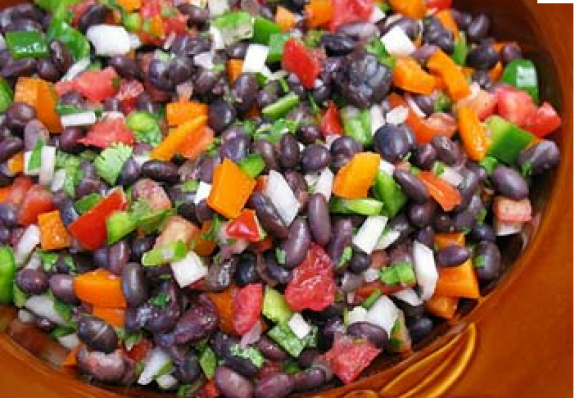
This hearty salad by my friend, Phyllis Frucht,* has all the elements of a great main course in the spring and summer: hearty beans, sweet mango, crunchy pepper and onion, tart lime juice, hot jalapeno. This dish is quick to prepare and perfect for a busy family, a pot luck, a picnic or a light lunch. Double the recipe so you’ll have plenty for everyone.
Serves 6
1 Can Black Beans, drained and rinsed
1 Mango, peeled and diced
1 Red Bell Pepper, seeded and diced
1/2 Cup Red onion, diced
1/4 Cup Lime Juice
1/4 Cup Orange Juice
1 Tbsp honey
|1 Tbsp Lime Zest
1 Tbsp Orange Zest
1 Tbsp Herbes de Provence
1 Jalapeno Pepper, seeded and minced
1/4 Cup Cilantro, Chopped
Combine the beans, mango, red pepper and onion in a bowl. Mix the rest of the ingredients. Toss well and serve.
Per serving: Calories 110, Saturated Fat 0 g (0%), Cholesterol 0 mg (0%), Sodium 380 mg (16%), Total Carbohydrate 23 g, Dietary Fiber 5 g, Soluble Fiber 0.66 g, Omega 3 Fatty Acids 0.02 g, Protein 5 g, Vitamin A 50%, Vitamin C 110%, Calcium 4%, Iron 10%
*Phyllis Frucht is a chef and a teacher specializing in International cuisine from the Orient to India, Europe, the Middle East, the Caribbean, and more. She gives instruction for a lucky few in Washington, D.C. in elegant hands-on classes which include generous samplings of the foods with matching beverages and wine.
You Are Invited to the Smithsonian’s Sustainable Seafood Dinner June 7
- At June 04, 2012
- By Katherine
- In News
- 0

Sant Ocean Hall
What: I would be so pleased if you would join me and a host of experts and chefs for a unique educational and savory experience. The Smithsonian’s Ocean Initiative is a dynamic and engaging program spreading the message of ocean science, awareness and stewardship. Tonight’s dinner will expose you to delicious – but sustainable – seafood, and exhibitors (including me) who will teach you… How do you know the seafood you buy is safe? How is it tested? Has it been labeled accurately? How can your choices ensure a sustainable supply of healthy seafood in the future?
When: Thursday, June 7, 2012, at 7 pm
Where: National Museum of Natural History
The event begins with a reception in breath-taking Sant Ocean Hall with six educational stations (including mine, explaining the nutritional risks and benefits of seafood), specialty drinks, and the following appetizers...
SANT OCEAN HALL RECEPTION MENU
Stingray, Olde Salt, Virginia Seaside and Upper Bay Eastern Shore Oysters
(Rappahannock River Oysters, Virginia Marine Products Board)
Blue Bay Mussel Salad with Mustard Vinaigrette
(Hank’s Oyster Bar)
Smoked Trout Panna Cotta with Smoked Steelhead Trout Caviar, Fennel Crisps and Orange Cream
(Ris Lacoste)
Maryland Striped Bass Sashimi with Soy Yuzu Vinaigrette, Thai Chili, Sesame Seeds, Nori and Daikon
(Majestic Cafe)
Savory Ice Creams
(Moorenko’s Ice Cream Cafe)
Bronzini Ceviche with Squid and Small Shrimp
(BlackSalt)
The reception will be followed by a seated four-course dinner in the rotunda…
DINNER MENU
Velvet Corn Soup, Jumbo Lump Maryland Crab, Roasted Peppers
(The Source by Wolfgang Puck)
Grilled Fillet of Red Grouper with Diver Scallop, Yellow Potato Mousseline, Fava Beans, Silver Queen Corn Reduction, and Tempura Soft Shell Crab
(Mitsitam Native Foods Cafe)
CHEESE COURSE
DESSERT
Almond and Peach Tart Tatin with Hibiscus Caviar with Vanilla Bean and Caramel Ice Cream, Apricot Gastrique and Streusel,
Garnished with Glass Tuiles
(The Source by Wolfgang Puck)
Seafood Risks and Benefits
- At June 04, 2012
- By Katherine
- In Articles, News
- 0
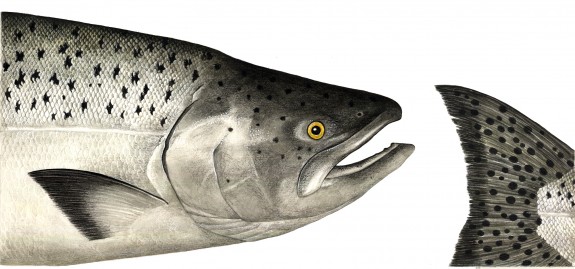
Chinook Salmon (Illustration by Charlotte Knox)
Seafood is a source of potent omega-3-fatty acids, a type of polyunsaturated fat important for your health, particularly your heart and brain. To get these benefits, experts recommend you get at least 4 to 11 grams of omega-3-fatty acids weekly (1.1 grams/day for women, 1.6 grams/day for men). Cold water fish contain the highest levels.
It’s ideal to eat fish high in omega-3-fatty acids, yet low in mercury.
Mercury is an environmental pollutant which seeps into the earth’s waters and into our seafood. Nearly all fish and shellfish contain traces of mercury, with some containing more than others, according to the Food and Drug Administration. And with the fear of mercury poisoning from fish, many are confused about what and how much to eat.
Ironically, the most vulnerable to mercury’s hazards – children and pregnant or nursing women – have the highest need for the nutrients in seafood.
Some guidelines:
1) DON’T eat shark, swordfish, king mackerel or tilefish,
2) DO eat up to 12 ounces of a variety of seafood low in mercury:
- Five of the most commonly eaten fish which are low in mercury are shrimp, canned light tuna, salmon, pollock, and catfish
- Albacore tuna has more mercury than light tuna, so limit it to 6 ounces per week
3) CHECK local advisories about fish caught in local lakes, rivers and coastal areas
4) Low Mercury, High Omega-3-Fatty Acid Seafood: Salmon, Herring, Sardines, Anchovies
Fun with Fruit – Seasonal Chocolate Dipped Fruit & Popsicles
- At May 31, 2012
- By Katherine
- In News, Recipes
- 0

Pure Strawberry Popsicles by George (Photo by Vicky Tsilas)
This is my favorite time of year. There’s an abundance of locally picked strawberries and cherries at the Farmers Markets. Very soon there will be: raspberries, blueberries, plums, apricots, and more… All lend themselves beautifully to being dipped in dark chocolate or pureed and made into popsicles or into an adult Italian Ice (Granita). My recipes:
Dark Chocolate Dipped Strawberries or ANY Seasonal Fruits
Strawberry (or any Seasonal Fruit) Granita
Pure Strawberry – or any Seasonal Fruit – Popsicles
Simply puree the fruit (add a tiny bit of sweetener or sweet juice, if you like) and place in popsicle molds! Leave the pureed fruit a little chunky for texture. Add yogurt to make it creamier. Use a variety of fruit to create different colors and flavors.
Memorable Memorial Day Weekend Recipes
- At May 25, 2012
- By Katherine
- In News, Recipes
- 0
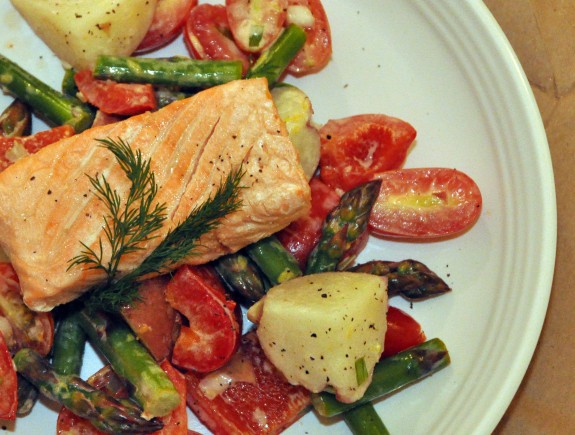
Photo by Alison Eaves
Have a lovely Memorial Day! My suggestions for wonderful dishes for the holiday, using local, seasonal picked-at-peak-ripeness ingredients… What’s at market now and most delicious? Asparagus, strawberries, onions, potatoes, cherry tomatoes… Enjoy!
Starter: Puree of Asparagus Soup with Tarragon
Main Course: Salad of New Potatoes and Asparagus with a Lemony Garlic-Herb Mayonnaise Topped with Poached Salmon
OR
Main Course: Kjerstin’s Curried Chicken Salad with Strawberries, Grapes and Roasted Almonds
Dessert: Strawberry Granita
7 So Called “Bad” Foods That Are Actually Good For You
- At May 23, 2012
- By Katherine
- In Articles, News
- 5
Are you shying away from bad foods that are actually good for you? With all the hoopla about healthful eating, it’s hard to separate fact from fiction.
As a nutrition consultant, I’ve come to realize there is no shortage of surprises and superstitions in the world of nutrition. As a follow-up to my recent Washington Post article, “5 So-Called Health Foods You Should Avoid,” I thought it would be fun to give you reasons to enjoy some of your favorite so-called “bad” foods that could actually be good for you, originally published in The Washington Post…
Gluten and Wheat
They are “the most demonized ingredients beyond high fructose corn syrup and hydrogenated oil,” said Melissa Abbott, culinary director at the Hartman Group, a company specializing in consumer research.
Yet decades of studies have found that gluten-containing foods, such as whole wheat, rye and barley, are vital for good health, and are associated with a reduced risk of diabetes, heart disease, cancer and excess weight.
“Wheat is a good source of fiber, vitamins and minerals,” said Joanne Slavin, nutrition professor at the University of Minnesota. She added that the confusion about gluten, a protein, has caused some people to avoid eating wheat and other grains.
Only about 1 percent of the population – those with celiac disease or wheat allergy – cannot tolerate gluten and must eradicate it from their diet to ease abdominal pain and other symptoms, including the ability to fully absorb vitamins.
One reason wheat-free or gluten-free diets are popular is that people who don’t eat wheat often end up bypassing excess calories in sweets and snack foods. Then they start feeling better, lose weight, and mistakenly attribute their success to gluten or wheat avoidance. Learn more about a gluten free diet and who may benefit from it…
Eggs
Eggs also don’t deserve their bad reputation. In recent decades, their high cholesterol content has been thought to play a role in increasing LDL (“bad”) cholesterol and heart disease risk. But cholesterol in food is a minor factor contributing to high blood cholesterol for most people, and studies have not confirmed a correlation between eggs and increased heart disease risk. The major determinant of LDL (bad) cholesterol is saturated fat, and while eggs are high in cholesterol – 184 milligrams in the yolk – they’re relatively low in saturated fat – about 1.6 grams in the yolk.
Interestingly, some of the biggest egg eaters in the world, the Japanese, have low cholesterol and heart disease rates, in part because they eat a diet low in saturated fat. In contrast, Americans eat eggs alongside sausage, bacon, and buttered toast.
“The amount that one egg a day raises cholesterol in the blood is extremely small,” says Walter Willett, professor of epidemiology and nutrition at Harvard’s School of Public Health. “Elevations in LDL (bad) cholesterol of this small magnitude could easily be countered by other healthy aspects of eggs.” Learn more about eggs…
Potatoes
Potatoes have been blamed for increasing blood glucose levels, insulin resistance, excess weight and Type 2 diabetes. A recent Harvard study that followed large populations and their disease rates linked potato eating with being overweight, blaming it on the blood glucose rise.
But many foods, including whole-wheat bread and whole-grain cereals, cause similar spikes in blood glucose, and are correlated with superior health and lower body weights. How could the higher body weight in the Harvard study be explained? The study lumped all potato products together, including potato chips and french fries, very fattening versions of potatoes usually eaten in large portions alongside hamburgers, hot dogs, and sodas.
“It’s an easy food to attack; but the meal pattern may be the culprit,” said David Baer, a research leader at the Agricultural Research Service of the Department of Agriculture. “Other epidemiological studies have not verified a connection between potatoes and weight gain or any diseases, and no clinical studies have shown a connection.” Learn more about the Harvard study…
Potatoes are a great source of potassium, Vitamin C and fiber that many cultures – Scandinavians, Russians, Irish, and Peruvians – relied on as a nutritious staple for centuries. And they were not fat.
Fruits
People often ask me if fruit is too high in sugar, especially for diabetics. This fear of fruit, I believe, is left over from the Atkins craze, which discouraged eating some fruits on the grounds that they are high in carbohydrates.
Avoiding fruit could actually damage your health. Study after study over many decades shows that eating fruit can reduce the risk of some cancers, heart disease, blood pressure and fruit. Lean how fruit reduces diabetes risk…
Fruit is high in water and fiber, which help you feel full with fewer calories, one reason why eating it is correlated with lower body weight. Even though they contain simple sugars, most fruits have a relatively low glycemic index. That is, when you eat fruit, your blood sugar raises only moderately, especially when compared with refined sugar or flour products.
Several health organizations, including the U.S. Dietary Guidelines, the National Cancer Institute, and the American Heart Association, recommend Americans eat at least five cups of fruits and vegetables a day because of their superior health benefits.
Soy
Though popular for centuries in many Asian cuisines, soy is sometimes seen as dangerous after studies found elevated rates of breast cancer among rats when they were fed a concentrated soy derivative. But studies looking at whole soy foods in humans have not found a connection. In fact, the reverse may be true.
Soy, “when consumed in childhood or adolescence may make breast tissue less vulnerable to cancer development later in life and probably has no effect on breast cancer risk when consumption begins in adulthood,” said Karen Collins, registered dietitian and nutrition adviser with the American Institute for Cancer Research.
Actually, Collins said, the evidence is so strong for protection against heart disease that the FDA allowed a health claim for labels on soy food products.
Alcohol
Alcohol is feared because of the potential for abuse and alcoholism and complications such as liver disease, which are valid concerns.
But decades’ worth of research shows that moderate alcohol consumption “can reduce deaths from most causes, particularly heart disease, and it raises HDL (good) cholesterol,” the USDA’s David Baer said.
Wine may have additional benefits because its grapes are filled with nutrients called polyphenols, which reduce blood-clotting, inflammation and oxidation.
The key is to drink alcohol moderately and with meals. What’s moderation? One serving daily for women and two servings for men, with a serving being 5 ounces of wine, 12 ounces of beer or 1.5 ounces of spirits. Learn more about wine…
Fried Foods
While it’s true that frying food usually increases its caloric content, that doesn’t necessarily make it unhealthful.
As long as food is fried in healthful oil instead of butter, shortening, or trans fat, and it’s eaten in moderation, it isn’t less healthy. In fact, fat-soluble vitamins A, D, E, and K, and heart-healthy, cancer-preventive carotenoids such as beta-carotene (e.g., carrots, sweet potatoes), lycopene (e.g., tomatoes) and lutein/zeaxanthin (deep-green leafy vegetables such as spinach and kale), need fat in order to be absorbed by the body.
“The consumption of certain fats, such as saturated fatty acids and trans fatty acids [fats that are solid at room temperature],is associated with an . . . increased risk of cardiovascular disease. On the other hand, the unsaturated fats, monounsaturated fatty acids and polyunsaturated fatty acids [canola, safflower and olive oils] have significant metabolic benefits and are health promoting,” said the 2010 U.S. Dietary Guidelines Advisory Committee. Learn more about healthy fats…
Read my Washington Post “Local Living” cover story 24 May 2012
and
Size Matters: A Delightful Discovery at la Madeleine
- At May 20, 2012
- By Katherine
- In Articles, News
- 0
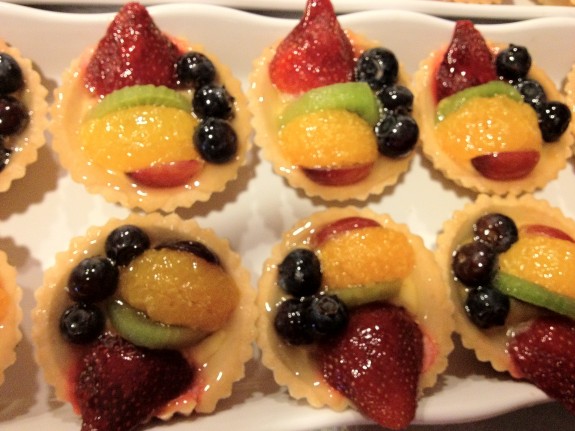
la Madeleine Fruit Tarts (Photo by Katherine Tallmadge)
What a surprising respite! I was delighted Saturday morning, after my 3 mile walk to Memorial Bridge and back, to find la Madeleine open at 7 am. I was delighted to find a delicious cafe latte – and muffins and pastries even a nutritionist could love. And they weren’t “diet” pastries.
Yes, you heard right! How could I enjoy la Madeleine and even its pastries?
First, I admit I’m a food snob. I buy all my fruits and vegetables at Farmers Markets, because I believe so strongly in the benefits of seasonal, locally grown produce. There are few restaurants I really enjoy because I expect fresh, superior ingredients, interesting small plates, and polite, professional service. I only frequent independently-owned businesses, because I think it preserves the uniqueness of the town and I want to support small businesses. So I’ve been at a loss since the Furin’s of Georgetown diner closed and Laura and Ricardo Bonnino left my neighborhood’s Griffin Market, along with all their one-of-a-kind Italian delicacies. What to do? Where to go?
So on Saturday morning, after my walk, when I was in the mood to sit at a cafe and enjoy a latte and a little something, I broke down and tried Le Pain Quotidien – CLOSED – just as well. I’ve never had a good experience there and I blame them for Furin’s closing (rightly or wrongly). Okay, what next… I wandered over to la Madeleine across the street, into which I have never walked before, tried the door, and it opened. Uh-oh, am I really in la Madeleine? I skeptically, cautiously walked up the stairs. After I asked if they could serve me a Cafe Latte and was met with a cheerful YES, I was committed. But, “My! those muffins are huge,” I said, feeling dangerously tempted but calculating the 500+ calorie counts in my head. “But,” says a perky cook behind the counter, “we have smaller ones, let me show you!”
And there began my delightful discovery of an array of mini pastries, desserts and muffins I could enjoy and even recommend at la Madeleine. The size was just enough to enjoy, but not too much to feel over-stuffed and miserable. I borrowed the manager’s pen so I could scribble down the numbers for you:
Mini Blueberry Muffin – 160 calories (regular is 630)
Mini Lemon Cream Cheese Muffin – 170 calories
Mini Bran Muffin – 140 (regular is 550)
Mini Fruit Tart – 150 (regular is 500)
Mini Lemon Tart – 200 (regular 820)
Mini Sacher Torte Parfait – 300
Mini Tiramisu Parfait – 220 (regular 520)
Mini French Vanilla and Fruit Parfait – 110
Lemon Madeleine – 170
Mini Cafe Au Lait Creme Brulee (180)
Mini Vanilla and Fruit Creme Brulee (150)
I had a lovely time, sitting among the country French decor at the window, a lively Vivaldi playing in the background. Friendly and professional staff buzzing around. Will I visit more than once or twice a month? Probably not. But it’s nice to know it’s there!
For more information about what to look for in restaurant eating without the bulge…
Eating to Save the Planet
- At May 14, 2012
- By Katherine
- In Articles, News
- 3
Katherine explaining “Farmers Markets: Good For You, Good For The Environment” Watch on CNN
For those of you who want to make a contribution toward saving the planet, you may want to consider changing what you eat. One simple way to do that? Buy locally and seasonally at your Farmers Market.
What you eat profoundly affects not only your health, but the environment, too. This is important news because when it comes to environmental issues and halting global warming, many of us feel overwhelmed and helpless. So it’s amazing that something as simple as making better food choices can reduce global warming by lowering greenhouse gases, saving land, and conserving diminishing water and energy supplies.
Your protein choice will make the most significant difference on the environment (and your health). Producing meat requires six to seventeen times more land than growing vegetable protein, 26 times more water. And producing vegetables is up to 50 times more energy efficient than meat production, according to a study in the American Journal of Clinical Nutrition.
Eating vegetable protein will also save your health. Decades of research has found that plants contain compounds (phytochemicals) with potent powers of healing. People who eat a plant-based diet are leaner, have less cancer, heart disease and diabetes.
But when eating more fruits and vegetables, it’s important to consider how and where they’re grown. Environmental resource conservation is reduced if food is transported long distances and grown in large industrial farms which specialize in only one or a few foods. Locally, organically produced food saves water, energy and encourages a region’s unique varieties of fruits and vegetables. Heirloom varieties, for example, have been passed down through generations, have natural resistance to pests, disease and are better able to tolerate local conditions without too much exra energy, pesticides or water.
How you can protect the environment through your food choices:
* Buy seasonally and locally at farm stands and farmers’ markets,
* Eat a plant-based diet,
* Reduce meat consumption,
* Use heirloom varieties, whenever possible,
* Buy organic whenever possible.
This article was excerpted from: The Journal of the American Dietetic Association 2007; 107: 1033 – 1043 “Position of the American Dietetic Association: Food and Nutrition Professionals Can Implement Practices to Conserve Natural Resources and Support Ecological Sustainability”
My Daily Westlake Village Walk
- At May 06, 2012
- By Katherine
- In News
- 2

Westlake Lake at Sunrise in May
Visiting my parents in Westlake Village, California is a pleasure. They settled here in the 1980s, and while I’ve never lived here it’s a great place to visit.

Westlake Lake at Sunrise in May
This week I’m here to help take care of my mother after knee replacement surgery. She is on my special “Healing Diet” which made a difference for her 5 years ago after hip replacement surgery. So we’re doing it again!

Westlake Village at Sunrise in May
While I’m visiting, every morning I walk the approximately 4 miles around Westlake Lake.

Westlake Village at sunrise in May
It’s a beautiful way to start each day… and my pedometer reads 9,000 steps!

Walking in Westlake Village at Sunrise
I’m not completely alone during my walks. Everyone nods with a polite, “Good Morning!”

Westlake Village walker at sunrise
Lots of cute doggies to admire and pet, too…

Bill, Joe, Walt and Dad at Best Donuts in Westlake Village
Then I spend a little time with a few of Dad’s pals solving the world’s problems…

The Gelsons Gang: Jerry, Terry, Pete, Joe, and Dad
Dad has friends everywhere…