Swedish Midsummer: Feasting the Night Away!
Midsummer is a holiday celebrating the summer solstice, when the sun reaches its highest position in the sky – the longest period of daylight. After lengthy winter months of what seems like never-ending darkness, sun starved revelers join much of humanity in nonstop festivity. It is popular in most of the northern United States and other northern countries around the world, like Sweden.
Established in the 4th Century, Midsummer Eve begins on a Friday night between June 19th and June 25th, a national holiday in many countries. It continues into the following Saturday, Midsummer Day, and usually lasts the whole weekend long. It has become the national excuse for the biggest parties of the year.

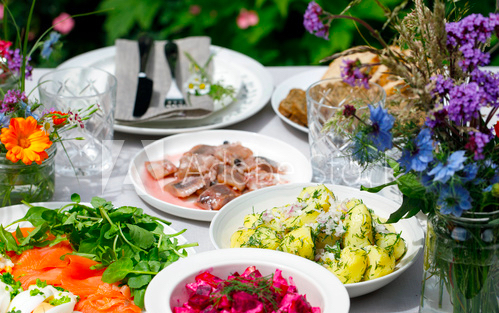
I am most familiar with the Swedish version, having celebrated along with my relatives at our summer island cottage over the years. Beginning Friday morning, families and friends gather to set the scene for their feast, called a smörgåsbord (pronounced smer-gose-boord).
A smörgåsbord is a Swedish invention and is literally a table of open-faced sandwiches. Today’s Smörgåbord has evolved into an exhaustive buffet-style spread.

Our family celebrated it with friends, going back generations, on the largest outdoor veranda on the tiny island, Grimsön. We’d connect unmatched tables side by side on the veranda, with barely enough room for the many chairs to crowd around them. Each family brings their special dishes until the table groans under the weight of the food and drink. We are lucky that the town bakery was owned by a family among us, so we enjoyed the freshest and most authentic Princesstårta (Princess Cake) in the land.
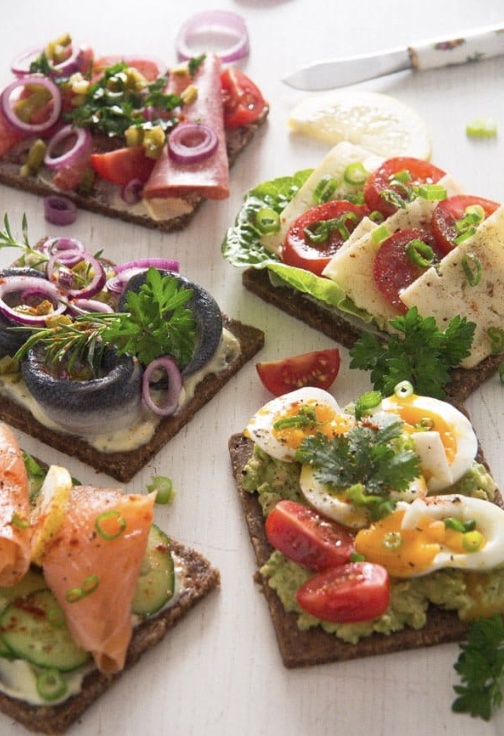
There are appetizers, salads, main courses and desserts. The dishes signal summer’s first harvests: Strawberries grown in the country, freshly clipped dill, and tender root vegetables, especially “new” potatoes, which are freshly harvested young, small, potatoes. Fresh, locally caught fish are featured – usually salmon and herring from the icy Baltic – with other seafoods, too.
One of the traditional foods on our Midsummer table, in the province of Häsingland, is literally rotten fish. A kinder description would be fermented herring, called surströmming. It’s a traditional dish from northern Sweden that arose during the 16th century when Sweden had a salt shortage. Today, the fish has become infamous for its stinky smell, yet enthusiasts praise it. I reluctantly tasted it one year, and to put it politely, I am definitely not one of those enthusiasts!

Desserts feature the first harvest of succulent strawberries (jordgubbar), blueberries (blåbär), lingonberries (lingnon), and cloud berries (hyortron), typically with whipped cream. Sweden brims with berries, like other northern parts of the world, the only fruits that can be grown in colder climates. Princesstårte, a traditional Swedish cake with layers of sponge cake and whipped custard cream, topped with a dome of marzipan, is often featured … A once in a life time treat.
The traditional drinks are shots of Aquavit, along with a rousing “Rah! Rah! Rah!” from the merrymakers, and Swedish beer, accompanied by the Swedish drinking song, “Helan Går,” translated as “Bottoms Up!”
There are cured ingredients as well. Pink rolls of cured salmon (gravlax) are wrapped around dill sprigs, with yellow mustard sauces and peppercorns alongside. There is fresh and grilled herring caught nearby, and coarse salt, as well as dill and other pickles. Eggs, cheese and cream are included, too.
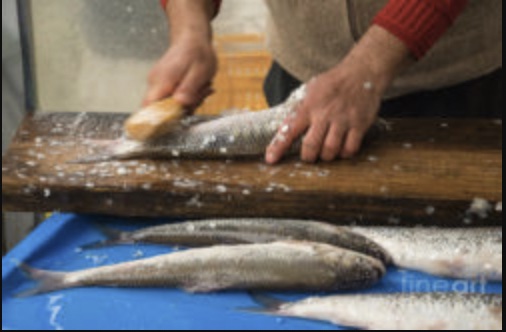
Preparation of our Midsummer feast always began a couple of days before. A local fishermen would roll fresh-caught salmon stacked in rickety wheelbarrows into town going door to door displaying his wares for inspection by anxious cooks.
My grandmother would carefully examine the fresh-caught salmon. In a solemn transaction, she chooses the final selection with an abrupt, “This will do!” The fisherman nods, satisfied, and carries the fish to the kitchen where it lands on the counter with a thud. The smell of the sea enters the house with the day’s catch. The best knife has been sharpened for this moment: the start of Midsummer Eve cooking.

I believe Swedish food is the original nouvelle cuisine. The Swedes have always used superior, locally sourced ingredients for their dishes and meals. Unfussy, it is centered around seafood, local vegetables, fruits, and 100% coarse rye breads.
This year’s Midsummer Eve is June 21, 2024, with the celebrations, and activities continuing on Midsummer Day, June 22, 2024.

The National Geographic describes “Everything you need to know about the Summer Solstice,” including how Fairbanks, Alaska celebrates the holiday with their “Midnight Sun Game.” The game typically begins around 10:30 p.m., continues straight through midnight, and often lasts as late as 2 a.m. Fairbanks, which is located only 160 miles south of the Arctic Circle, gets up to 22.5 hours of summer daylight.

The successful midsummer never-ending lunch party involves flowers in your hair, dancing around a maypole, singing songs while drinking schnapps, and downing a whole load of traditional Swedish foods from the year’s first harvest, like strawberries, and delicate new potatoes. All in all, a grand day out.
How to make your own crown of flowers. All you need is an inexpensive supermarket bouquet of flowers, thin wire, and thread! The flower crowns are worn by children and adults alike.
Besides the crown of flowers, there are many fun activities for children for understanding and celebrating the summer solstice, like making cosmic suncatchers, sundials, sun prints, summer resolutions, and bucket lists.

In Washington, DC, the Smithsonian Museums mark the first Saturday of every summer-“Solstice Saturday”-by staying open late, hosting exhibits, programs, and activities. “Solstice Saturday” includes free parties, programs and performances throughout the day and night June 24. Several museums on the National Mall will have extended hours, with three museums staying open until midnight. Visitors who stay late can explore exhibitions, join a garden dance party or enjoy activities on the Mall. including games and performances throughout the day and night. On Saturday, June 22, 2024, the Smithsonian’s Hirschhorn Museum hosts “The Astronomy Festival on the National Mall” from 6 to 11.
Investigate your community for Midsummer events nearby.

Traditional Swedish Midsummer Recipes and Menus
New Potatoes with Fresh Dill
6 Savory Toppings for Crunchy Swedish Hard Bread
Swedish Buttermilk Bread,
or and alternate Whole Grain Buttermilk Bread
Gravlax with Mustard Sauce
Cucumber Salad with Fresh Dill
Katherine’s Crepe-Style Swedish Waffles with Succulent Strawberries
Princesstårta
(Instead of making your own Marzipan Dome, you can buy one pre-made)
This Weekend’s Batch Recipe: Katherine’s “I Can’t Believe There’s No-Meat Chili” Step-By-Step
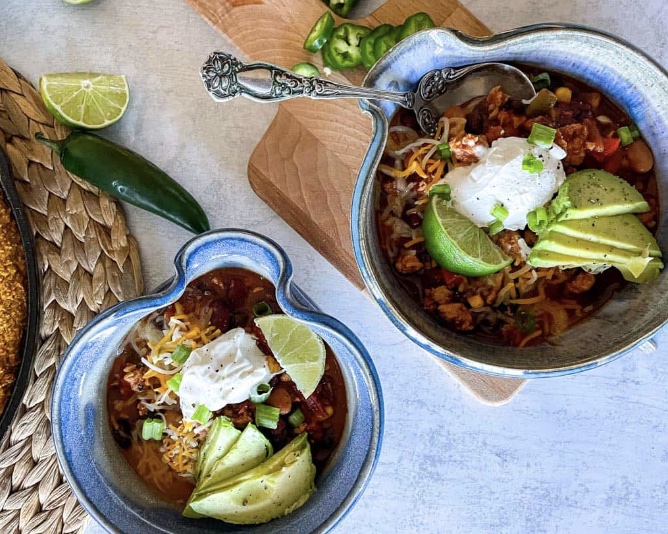
When The Washington Post food section was considering a feature story about my new book, Diet Simple, among the recipes they tested was my chili. I made the cut, and I, and my book, Diet Simple, were featured on the front page, no less!
The Washingtonian Magazine loves it too. And here it is for you
A recent client told me it only took 20 minutes to put together. Try making this recipe a day ahead of time so the flavors and textures have a time to develop. But there is no need, as it’s delicious just after cooking. I love this simple, quick chili recipe. It’s meatless but you don’t miss the meat because it’s so flavorful and the meat-like texture is deceptive. You should use the amount of garlic or chili powder that appeals to you. I like it hot and spicy! I double the recipe, using a whole pound of dried black beans, so I have plenty for the week. I use this dish as a lunch or dinner alongside a green salad. I also serve it at parties as a dip next to my fresh tomato salsa, nonfat Greek yogurt, and guacamole. It’s perfect rolled up in a tortilla or stuffed in a taco with some reduced fat cheese.
Serves 4 as a main course, 8 or more as a dip or topping
3/4 Cup Water (To Hydrate the Bulgur)
1/2 Cup Bulgur (Cracked Wheat)
1 to 2 Tbsp Olive or Canola Oil, or more
1 Large Onion, Chopped
3 Large Garlic Cloves, minced – more or less – to taste (optional)
1-1/2 Tbsp Hot Chile Powder
1-1/2 Tbsp Chipotle Chili powder
A dash of smoked paprika, called “Pimentón,”
A pinch of Cinnamon
1 Large Fresh Green Bell Pepper, chopped roughly
1 can of chopped Italian Plum Tomatoes, drained (optional, to taste)
1 lb. dry Black Beans, or two cans of black beans, whichever is preferred
2 Seeded Jalapeño Peppers, chopped (optional)
Salt and Pepper to Taste
Place the bulgur in a microwavable bowl. Add the boiled water. Place in microwave for 3 minutes. Keep in the microwave while it fluffs up.
Meanwhile, add oil to the pan. Once the oil is hot, add the spices and sauté the spices while constantly stirring, for a minute or two on low heat. Be careful the spices don’t burn.
Add the onions and green bell peppers to the same pot, stir over medium heat until soft, 15 or more minutes. Add the chopped fresh green bell pepper and onions. Sauté on medium heat while stirring. Cook until soft. Add the bulgur and beans. No need to cook further. Adjust seasonings to your preference.
Step-By-Step Instructions
Start by Fluffing the bulgur/cracked wheat, so that it’s ready to pour in the pot when you need it, saving time.
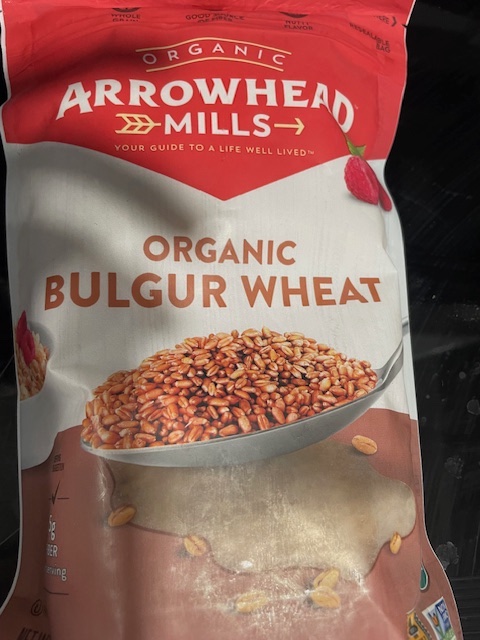
While using canned beans is fine, I like using dried black beans to enhance the flavor by adding carrots, celery, and onions to the pot. If you like garlic, add whole cloves, too. Add salt if using dried beans, according to the package directions. But if you use canned beans instead of dried, no salt is necessary.
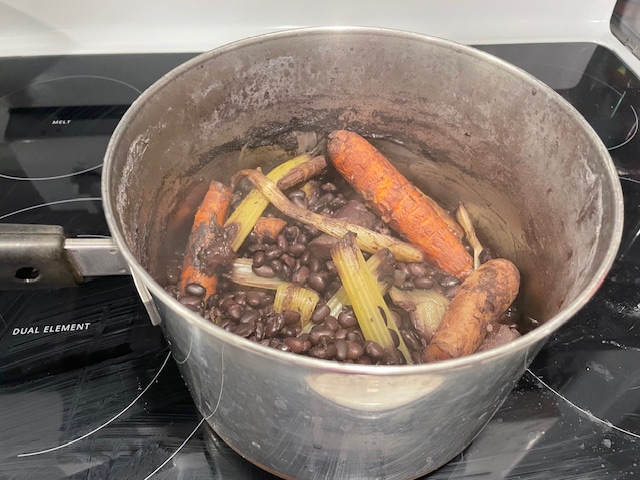
Once the beans have been cooked slowly (to preserve the whole bean), remove the vegetables.
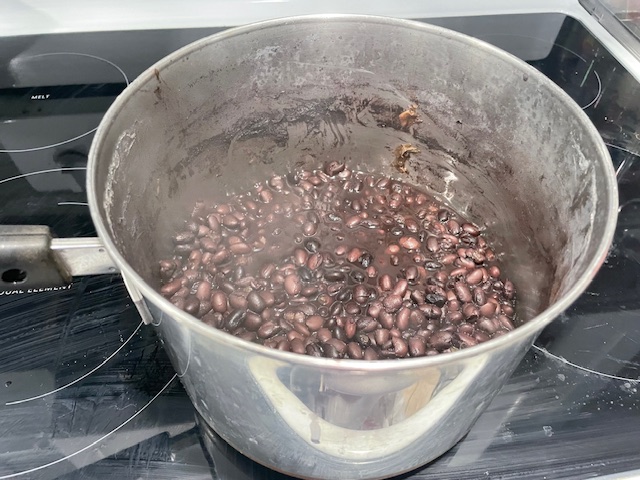
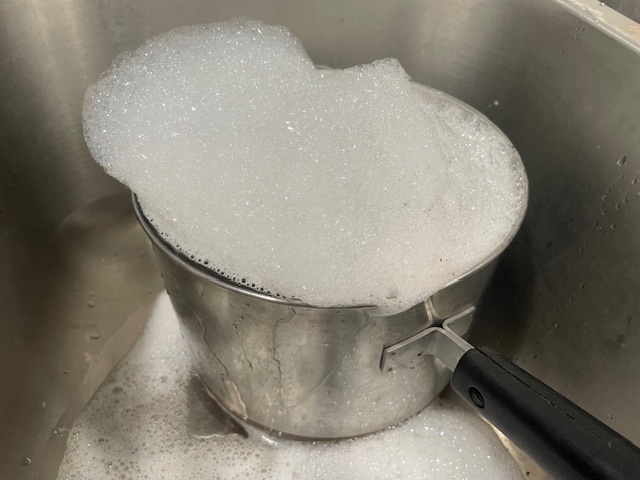
If you used dried beans, pour the beans into a bowl while you wash the pot. This way, you only need to use one pot for the recipe – for fast and easy cleanup.
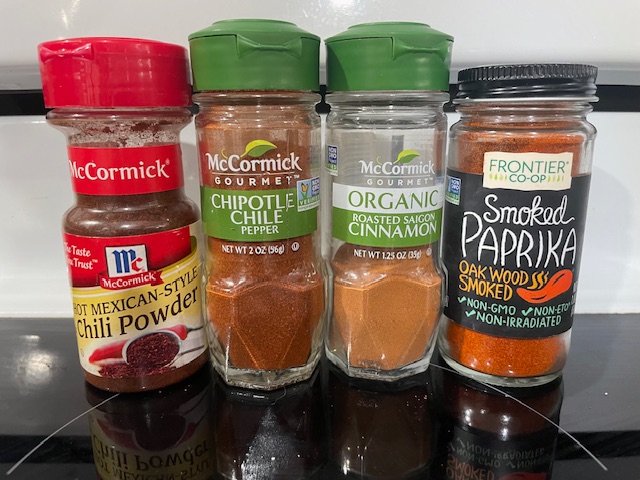
In a clean pot, add the oil. When the oil is hot, add the spices. Sauté over low heat. Stir constantly so the spices don’t burn.
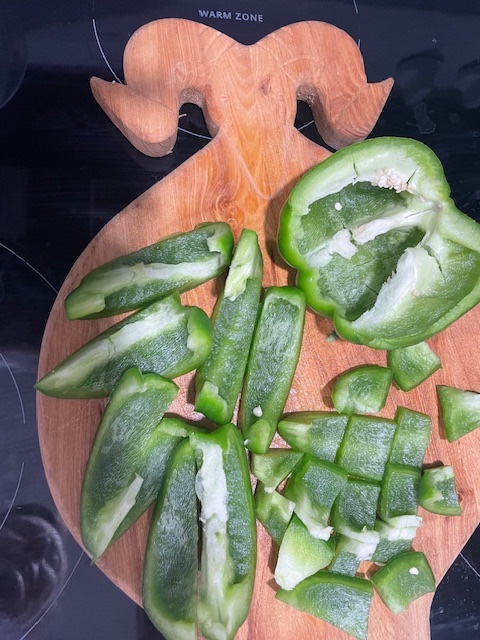
Chop green bell peppers so that they remain chunky. Chop the onions the traditional way.
Sauté the chopped vegetables, and stir. Use medium heat until they are soft, or al dente. 15 minutes or more.
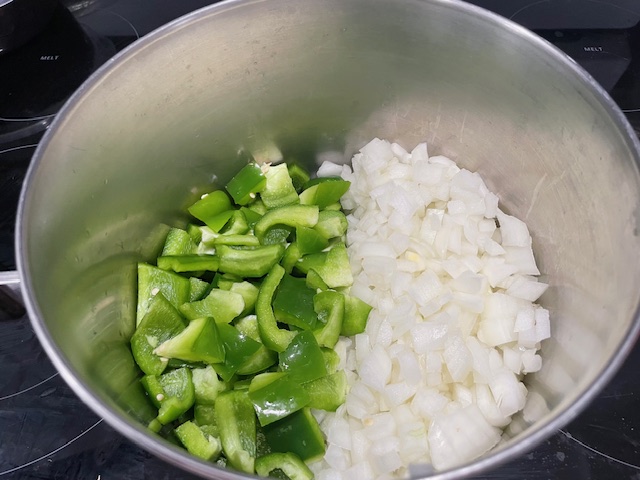
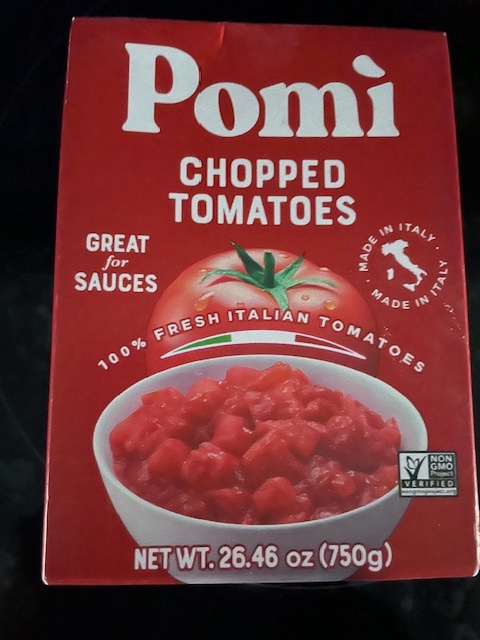
When the veggies are cooked, strain any water out of the bulgur/cracked wheat, and add the bulgur, and the beans, to the pot. Taste. If you like it as is, you won’t need tomatoes. But if you think you might like to add chopped tomatoes, strain them to remove the liquid. But don’t add too much, or the tomatoes will be all that you taste.
No need to cook further.
I love this chili as a dip. I always add Fage Nonfat Greek Yogurt (with salt and pepper) on the side. It’s cool flavor complements the spicy flavors – to perfection!
No one has ever guessed that there is no meat. I don’t tell anyone it is meat free until they are finished and rave about it. They are always surprised when I tell them that it is meatless.
When offering a dish to guests or family, NEVER use the words “healthy,” “low calorie,” or “high fiber.” Though all of those things are true, those are YUCK words! If someone tells me to taste something, as in, “Try this, it’s good for you!” it sounds unappetizing, and even I’m turned off.
The way to describe anything you offer to others is “It’s delicious! You’ll love it!”
Hash Browns Have Never Been Easier, Healthier and Tastier: Katherine’s Easy & Simple Recipe
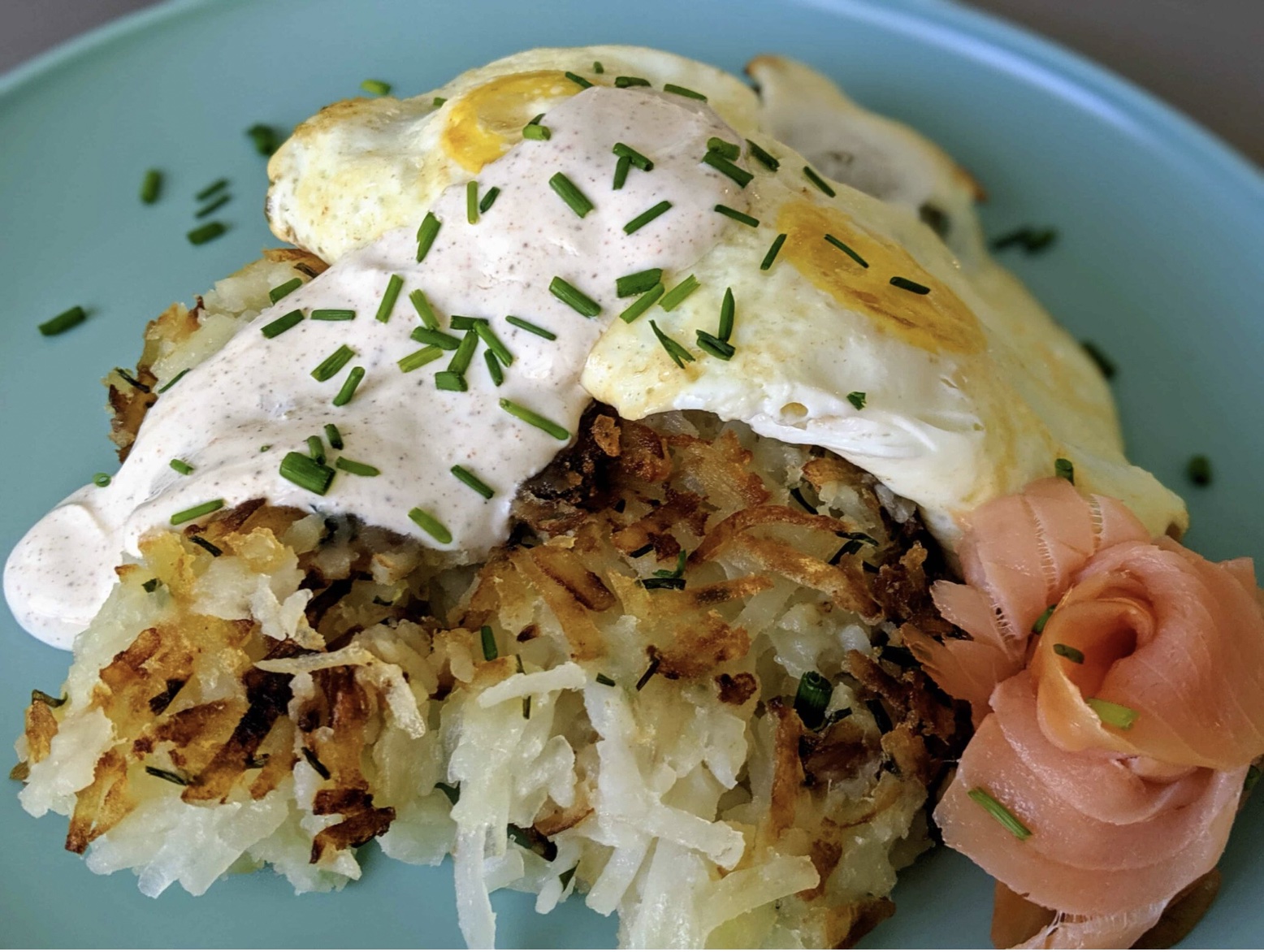
For breakfast, lunch or dinner, and with any accompaniment your heart desires, these hash browns are versatile, nutritious, and to die for. I love potatoes. Just about everyone loves them too. But the internet and low carb followers have, inaccurately, described potatoes as non nutritious and high calorie. At 160 calories for six ounces, I dispute that claim. These are unfounded rumors preventing you from eating one of the most delicious and nutritious foods on the planet.
In fact, potatoes are so filled with essential nutrients, they’ve kept countless cultures alive and healthy for thousands of years. Think of countries with colder climates like Scandinavia, Finland, Russia, Ireland, that couldn’t grow citrus or many other fruits and vegetables. Potatoes were virtually their only source of Vitamin C and potassium. An infamous example of how critical the potato has been in the past, is how the devastating loss of them caused The Great Irish Famine in mid-1800s-Ireland. At the time, one third of the Irish people subsisted on potatoes. The loss of the potato crop left around 1 million people dead from starvation or disease, with another million fleeing the country.
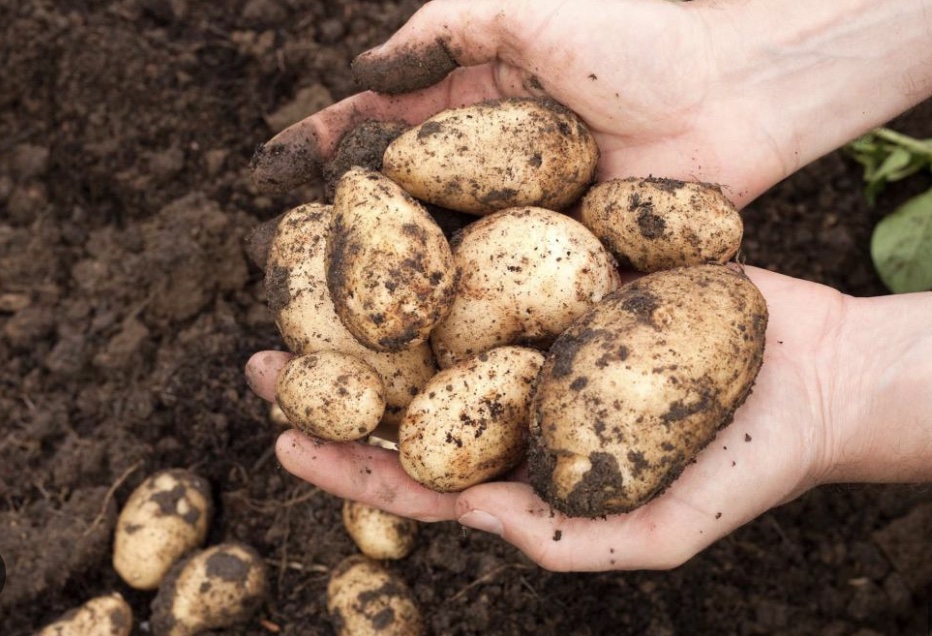
Today, potatoes are recognized as a subsistence crop for developing countries with high levels of poverty, hunger, and malnutrition. Because they’re inexpensive and easy to grow, readily available, accessible, high quality, nutritious, and stable, potatoes are the perfect food to feed the world’s 822 million undernourished people.
The bottom line: It’s a mistake to underestimate potatoes.
Katherine’s Hash Browns
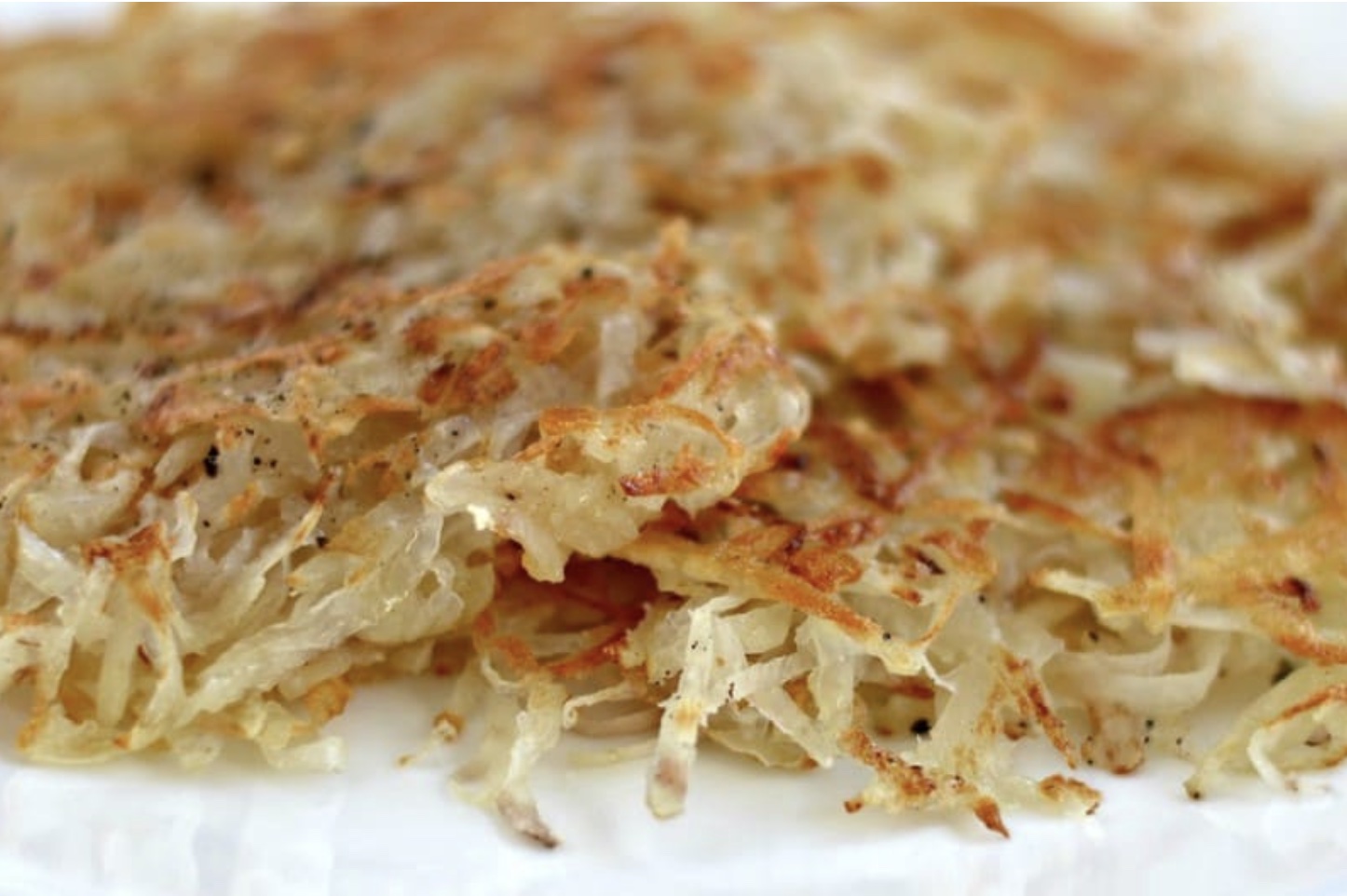
I developed this recipe because I love crispy potatoes, but I don’t want the excess calories of frying them in a lot of oil, or without sacrificing their flavor and texture. It’s an easy recipe, and clean-up’s a breeze.
Serves 4 as a Side Dish
Ingredients:
2 or more large Russet or Yukon Gold Potatoes – enough to cover your pan with 1/3″ thickness when laid out on the size-of-your-choice non-stick frying pan
2 Tbsp Canola or Peanut Oil
Salt & Pepper to taste
Herb of Your Choice, ie, Rosemary
A Dollop of Nonfat, Plain (Fage) Greek Yogurt sprinkled with Kosher Salt and Pepper, on the side
Scrub the potatoes clean, then grate the potatoes using the largest holes on a large box grater. I don’t peel them, but that’s your option. Once they’re grated, to remove excess starch, put the grated potatoes in a bowl with cold water to soak them, then place them in a large colander, pouring cold water over them, until the water is clear. Squeeze as much water out of them as possible, using a cotton towel or cheese cloth.
Once the potatoes are relatively dry, add the oil to the frying pan over medium heat. When the oil is hot, swirl it around the pan, and add the potatoes. When they are laid out across the pan, they should be about 1/3″ thick.
Add salt and pepper and any herb of your choice.
Don’t stir the potatoes. Flip them when they are golden brown. Continue to cook them until they are golden brown on both sides.
Serve them on four plates with scrambled or fried eggs. Add a bit of smoked or grilled salmon, chicken sausage of your choice. Any veggie would be delicious along side them. Fresh tomatoes, sautéd mushrooms, onions, sweet orange or red peppers. Have them alongside your “Original Boca Burger” and whole wheat bun. With ketchup? To each his own!
I always have potatoes with a dollop of nonfat, plain Greek yogurt. I prefer Fage. I sprinkle salt and pepper on the yogurt, and use the yogurt the way you might use sour cream. You won’t know the difference, I promise
And more…
Corned Beef with Caramelized Cabbage, Roasted Potatoes, and Carrots: Happy St. Patrick’s Day!
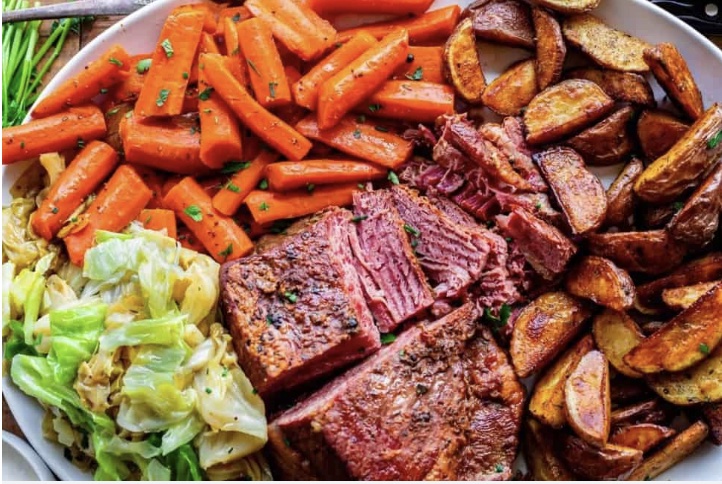
The traditional St. Patrick’s Day meal? Of course, it’s “Corned Beef and Cabbage.” And it usually has carrots and potatoes thrown in. It’s a beautiful dish that satisfies three of the five taste elements: sweet, salty, and umami (the other two are bitter and sour). Umami is an elusive flavor that is rarely present in a meal. It can be described as a pleasant “brothy” or “meaty” taste with a long-lasting, mouthwatering, and coating sensation over the tongue. In this meal, the corned beef is the source of umami. This meal is irresistible, and one of the only occasions when I’ll breakdown and eat red meat.
Now, you may be thinking, “Katherine, isn’t red meat bad for you?” It absolutely is! But my motto is, “every food fits.” You see, you’re protected from the damaging effects of the red meat by the array of vegetables containing antioxidant, and anti-inflammatory nutrients in the meal. They help neutralize the negative aspects of the cured, red meat. Plus, if you rarely eat red meat, that makes a huge difference, too.
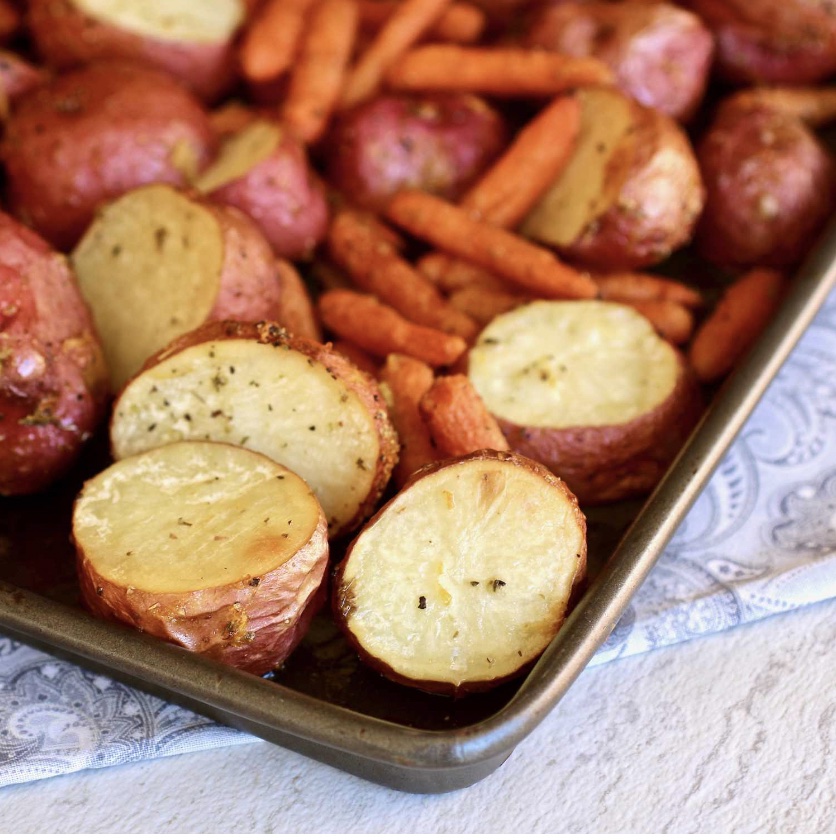
If you’d rather not eat red meat, roasted salmon or chicken can be delicious substitutes.
I maximize the natural flavors and sweetness in the vegetables by stir frying the cabbage, and roasting the carrots and potatoes until they are golden brown and caramelized. Both stir frying and roasting exposes them to open heat. That heat caramelizes the sugars within, and mellows strong flavors into rich, multilayered perfection, adding depth and complexity to the overall dish.
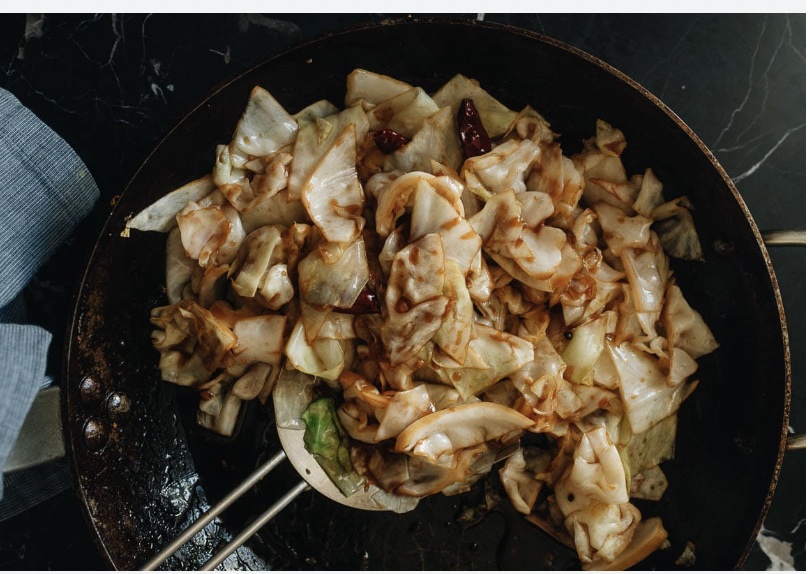
When vegetables are prepared using these methods, they taste like candy, I promise. They are definitely tastier french fries!
Clink my links for the easy “recipes,” that are, actually, more like simple preparation instructions, with only one pan to clean up!

4 Recipes For The Best Darn Mexican Feast Ever – Perfect For Parties!
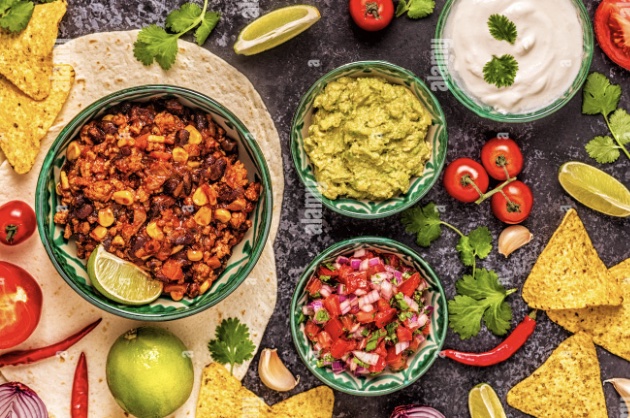
Katherine’s Especially-For-Parties-And-Game-Days Spicy Layered Bean Dip
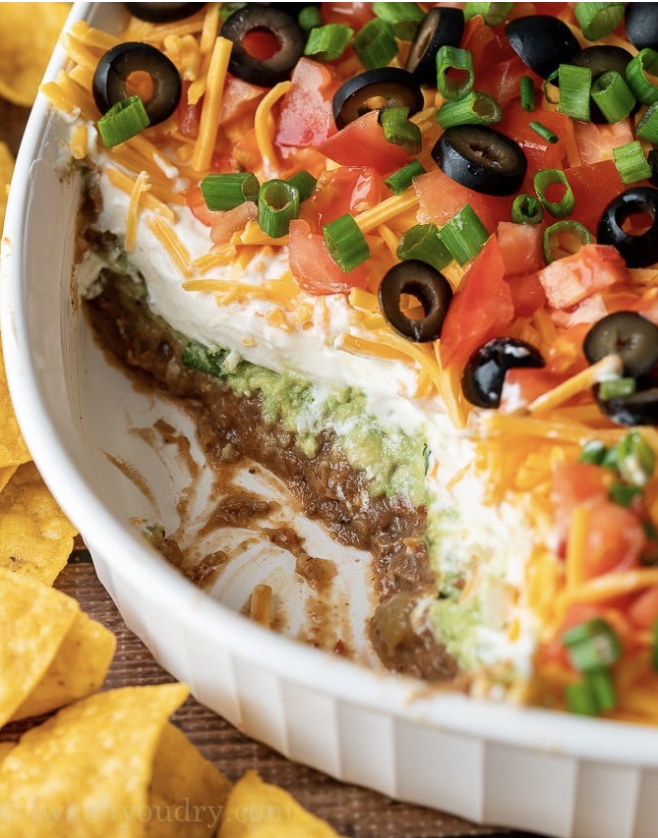
A layered dip can be made any way you wish, with each ingredient and recipe personalized to your tastes. This is the way I like to do it!
Everything except my Spicy “Re-Fried” Bean Dip and my “Chili Non Carne” can be bought pre-made at the grocery store these days. You can usually find Fresh Salsa and even Guacamole in the refrigerator sections. But I have great, quick and simple recipes (below) for both, if you are so inclined.
Instructions for Layering:
Use the amount of each layer that you prefer, or the amount that fits your bowl. Layer the ingredients in the order you like best. Use the leftovers as delicious lunches and dinners for days to come!
Ingredients:
Spicy “Re-Fried” Bean Dip OR Katherine’s Chili Non Carne (see both recipes below)
Low Fat Cheddar or Monterey Jack Cheese, Grated
Mild Guacamole, at least triple the recipe (below)
1 Quart Plain, Nonfat Greek Yogurt (I like Fage the best)
Fresh Salsa (see recipe below)
Sliced olives (optional)
Use a glass dish, if available, so all the beautiful layers are visible. First, pour the hot or warm Bean Dip or the Chili Non Carne into the dish, then sprinkle grated low fat cheddar or jack cheese (if this is the next layer, it will melt). Next, spread a double or triple recipe of the Guacamole, then a layer of Plain Greek Nonfat Yogurt over that. Top with the Fresh Salsa. If desired, decorate with sliced olives.
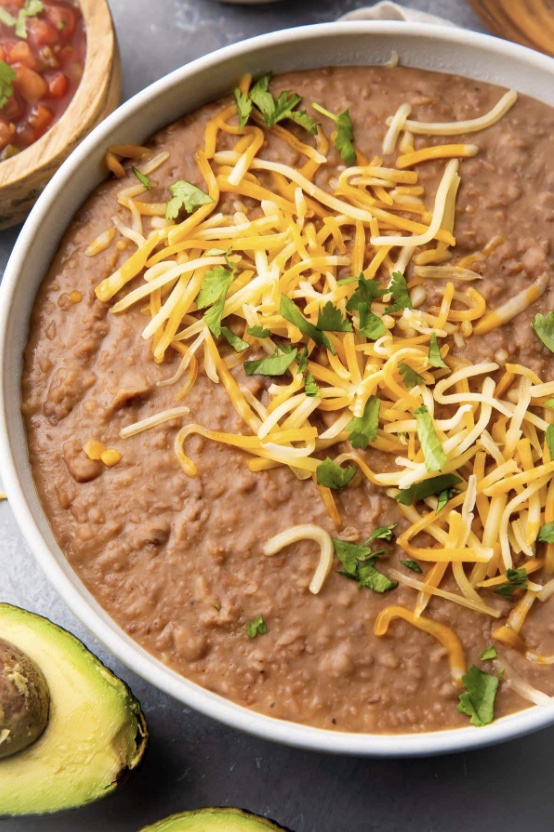
Katherine’s Spicy “Re-Fried” Beans
This is a delicious, spicy crowd pleaser!
Ingredients:
1-1/2 Cups Dry Red Kidney Beans or Black Beans (use about 4 cups, if the beans are already cooked or if they are canned)
1 to 2 Tbsp Canola Oil
1-1/2 Onions
1 Tbsp Salt (only 1 tsp, to taste, if using canned beans)!
3 Cloves Garlic, Minced, to taste
1 Cup Peeled, Chopped Italian Plum Tomatoes (You can buy them already chopped)
2 Small Jalapeño Peppers, seeded and minced (wear gloves!)
2 Tbsp Lemon Juice
1/4 tsp Cinnamon
1/8 tsp Cloves
Top with Low or Reduced Fat Grated Monterey Jack or Cheddar Cheese, if desired
In a very large skillet over a low flame, heat the canola oil and sauté remaining onion, chopped, and the garlic until soft and golden; about 15 minutes. Add the spices and jalapeño peppers, simmer a few more minutes. Next, add the tomatoes and lemon juice.
Pour the canned beans, together with their liquid, into the seasonings and stir. Over a low flame, and stirring often, cook the beans together with the seasonings until the mixture is quite thick, but still moist. Time will vary, but it could take as long as 45 minutes. If the beans become too dry, just add a little water. Sprinkle with the grated cheese, if desired. Use as a dip, as a side dish or in a burrito.
If using canned beans, start the recipe at paragraph #2 and use less salt.
Adapted by Katherine Tallmadge from The Vegetarian Epicure by Anna Thomas
Katherine’s You-Won’t-Belive-There’s-No-Meat Chile
(excerpted from Diet Simple: 195 Mental Tricks, Substitutions, Habits & Inspirations (LifeLine Press)
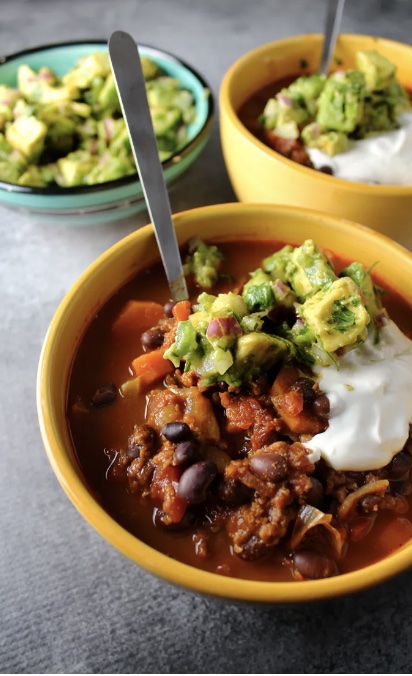
Try making this recipe a day ahead of time so the flavors and textures have a time to develop. I love this simple, quick chili recipe. It’s meatless but you don’t miss the meat because it’s so flavorful and the meat-like texture is deceptive. You should use the amount of garlic or chili powder that appeals to you. I like it hot and spicy! I double the recipe, using a whole pound of dried black beans, so I have plenty for the week. I use this dish as a lunch or dinner alongside a green salad. I also serve it at parties as a dip next to my fresh tomato salsa, nonfat Greek yogurt, and guacamole. It’s perfect rolled up in a tortilla or stuffed in a taco with some reduced fat cheese.
Sometimes I make the recipe without tomatoes. Give it a taste and decide for yourself. You don’t want the tomatoes to take over the flavors. I don’t use garlic.
Serves at least 6 as a main course, or many more servings as a dip
1 Cup Water (To Hydrate the Bulgur)
1/2 Cup Bulgur (Cracked Wheat)
1 to 2 Tbsp Canola Oil
1 Large Onion, Chopped
1 Large Fresh Green Pepper, Chopped in Large chunks
2 Seeded Jalapeño Peppers, minced
3 Large Garlic Cloves, Minced (more or less) – Optional
1-1/2 Tbsp Hot Chile Powder
1-1/2 Tbsp Chipotle Chili
Dash of smoked paprika, called “Pimentón,”
Pinch of Cinnamon
1 lb. dry Black Beans, or 2 lbs. canned (whichever is preferred)
1 28- oz. Can Chopped Italian Plum Tomatoes, drained, to taste
Salt and Pepper, to taste
Place the bulgur in a microwavable bowl. Add the boiled water. Place in microwave for a couple of minutes. Keep in the microwave while it fluffs up. Set aside.
Heat the oil. Sauté the onions, green peppers, jalepeño peppers, and garlic in the oil over low heat in a large pot until soft, 15 or more minutes.
Add the spices to the sautéd vegetables and cook a little longer – perhaps a minute.
Add the bulgur and beans. Simmer slowly over low to medium heat until flavors are well blended and vegetables are cooked to the desired consistency … a few minutes or longer, if desired. Adjust seasonings to your preference. Since many canned items were used, additional salt will probably not be needed.
Add the chopped tomatoes
NOTE: Best if made in advance or, ideally a day in advance to meld the flavors
Katherine’s Spicy Fresh Mexican Salsa
excerpted from Diet Simple: 195 Mental Tricks, Substitutions, Habits & Inspirations (LifeLine Press)
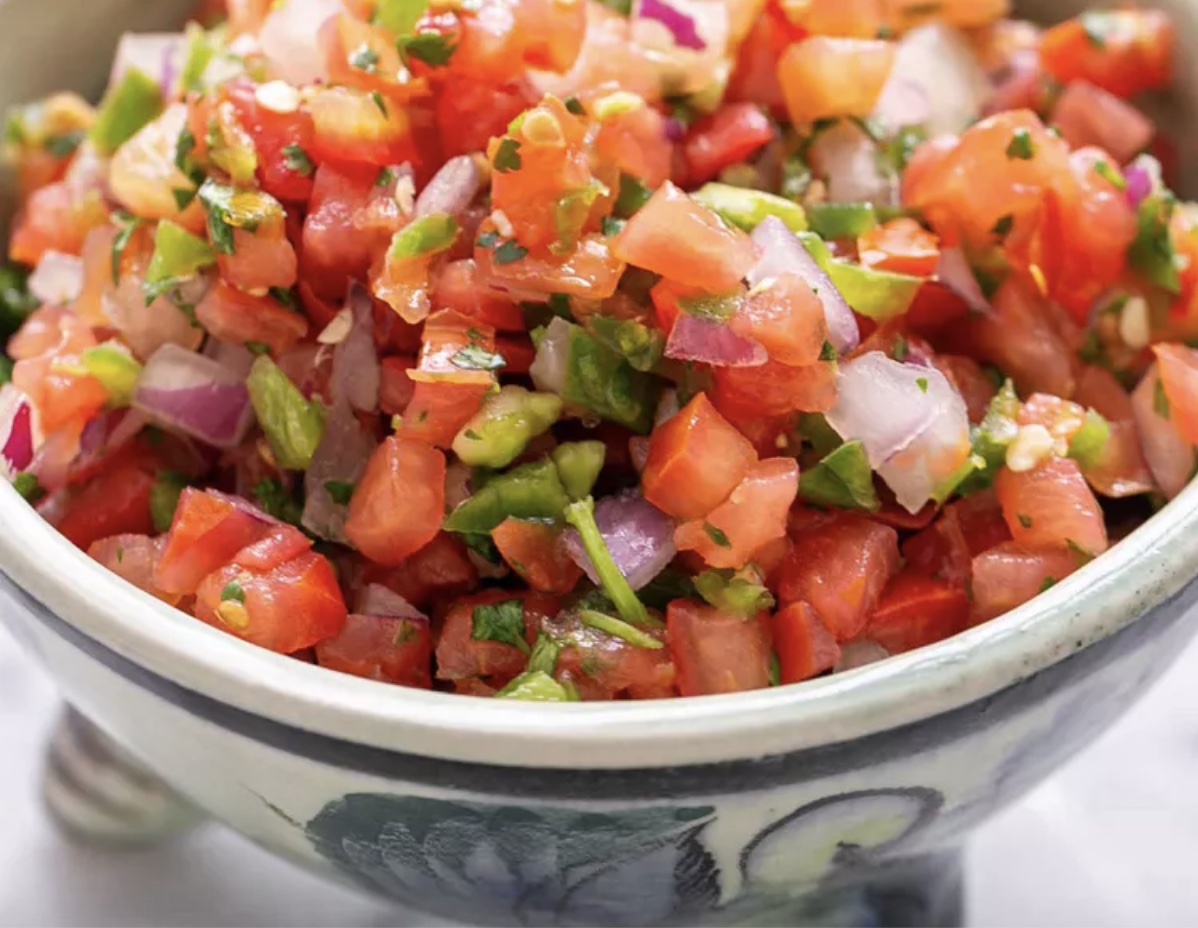
Fresh salsa – Pico de Gallo – doesn’t really need a recipe. These are proportions I have found pleasing. But you may want your salsa, with more or less onions, more spice, sweeter (use half tomatoes and half watermelon), parsley instead of cilantro… The options are endless.
Ingredients
1 large onion, peeled and chopped (about ½ pound)
2 lbs. fresh tomatoes, peeled, seeded and chopped (start with about 3-1/2 lbs.) (Use canned tomatoes, if good tomatoes aren’t available) NOTE: I don’t bother peeling or seeding!
3 – 4 jalapeño peppers (1 – 2 ounces), to taste
¼ cup chopped fresh cilantro
½ tsp salt, or to taste
3 – 4 Tbsp fresh lime juice or the juice from 1 – 2 limes (optional. I often skip the limes)
Add the onion to the tomatoes. Finely chop 2 of the jalapeño peppers to start with. Taste. If you desire more heat, add 1 – 2 more jalapeños. Mix in the cilantro. Add the salt depending on your taste. Mix in the lime juice.Simple Guacamole
Katherine’s Basic Guacamole
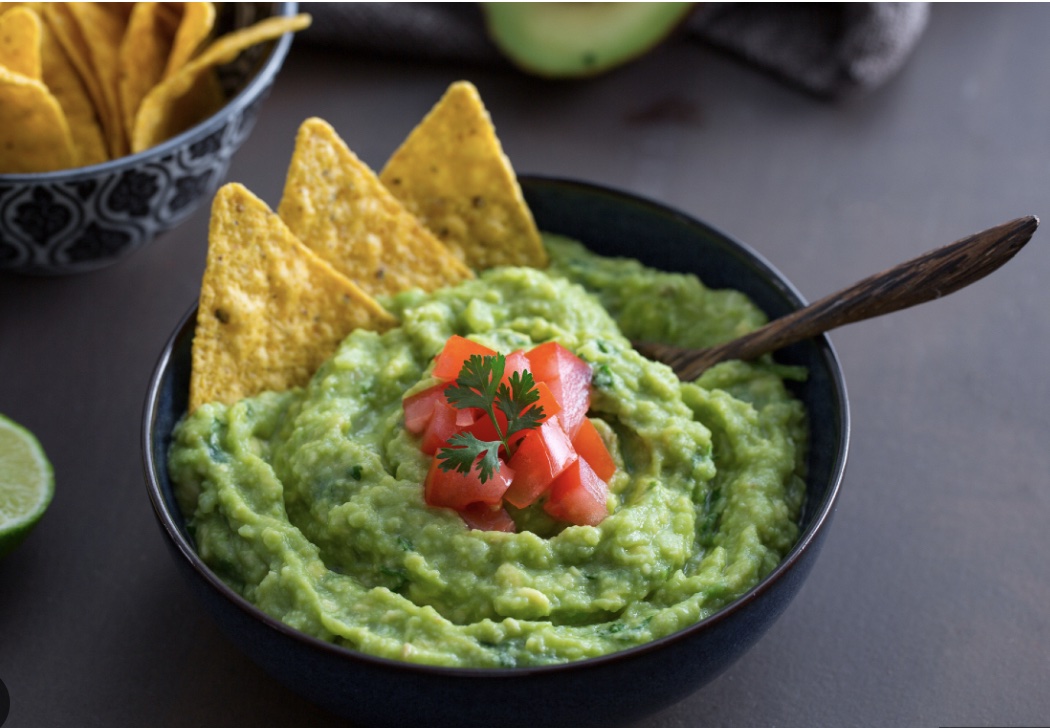
There a a million recipes for Guacamole. You can keep it mild, or make it hot by adding hot peppers. Throwing in fresh salsa makes it chunky and yummy, too.
12 Servings
Ingredients
2 ripe avocados
1/3 cup chopped fresh cilantro
2 Tbsp lime juice
¼ tsp salt, or to taste
freshly ground black pepper, to taste
Cut avocados in half lengthwise and pull out the pits. Scoop out the meat. Place ina medium bowl and mash, keeping some large chunks. Mix in the cilantro, lime juice, salt and pepper. Taste to adjust seasoning.
Now, relax and have some FUN!
Michel Richard’s Chicken, Mushroom & Barley Soup
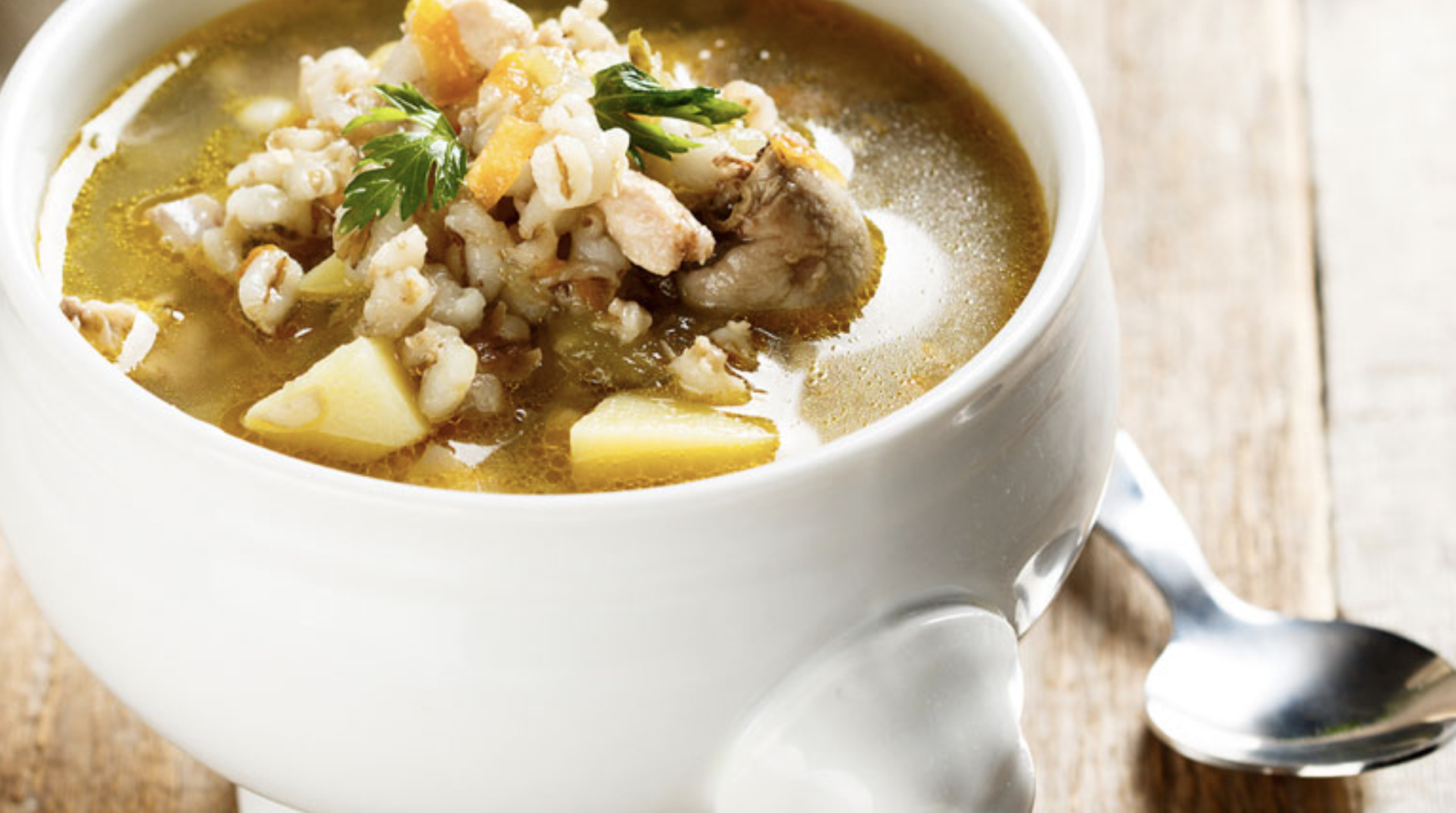
4 servings (or more if you add more mushrooms)
Nothing could be simpler or more delicate than this dish. The flavors are rich and earthy, and contain that elusive fifth flavor, umami. It contains all the elements of a complete meal. It’s nutritious and filling. I feel honored that Michel Richard provided this recipe for Diet Simple. It fits perfectly as something you can cook, store in the refrigerator and eat for several meals. A favorite of anyone who tastes it. Using my method for slicing the chicken, it will be delicate and moist, instead of dry, like most chicken breast dishes.
Ingredients:
2 Tbsp Canola Oil
2 Small Onions, Peeled and Diced
1 Pound Thinly Sliced Mushrooms
2 Quarts Unsalted Chicken Stock (defatted)
2 Tablespoons Light Soy Sauce
6 Tbsp Pearl Barley
4 Cloves Garlic, peeled and minced
Salt and Freshly Ground Black Pepper to taste
About 1 pound chicken, boned, skinned, and sliced thin (see instructions)
Heat the oil in a heavy, large saucepan over medium-low heat. Once the oil is hot, add the onion, cover, and cook until translucent, for about ten minutes – or more, while stirring occasionally. Add the mushrooms. Increase heat to medium-high and cook uncovered until lightly browned, for about five minutes, stirring occasionally. Add the chicken stock, soy sauce, barley and garlic. Simmer gently for about 45 minutes to cook barley and blend flavors. Season with salt and pepper. (This can be prepared ahead, cooled, covered and set aside at cool room temperature for up to four hours or refrigerated for several days.)
To make perfectly tender slices of chicken for your soup, put the chicken breast in the freezer. When it is half frozen, place it on a cutting board. Using a sharp knife, slice as thinly as you can – across the grain. It’s virtually impossible to cut raw meat this thin.
Once the vegetables and barley are cooked, turn off the heat. Toss in the thinly sliced chicken breast. It will be cooked throughout, and opaque, in less than a minute. Ladle into four or more soup plates.
Warning! Losing Muscle is Dangerous: Muscle Loss Starts in Your 30s, and While Using Ozempic: Gain Muscle With 7 Easy Steps
- At February 15, 2024
- By Katherine
- In Aging-In-Place, Articles, News
 0
0
Muscle Loss is a new and dangerous side effect of using Ozempic, but it can easily be prevented. It’s not just about aesthetics! Muscle loss can ruin your quality of life, devastate your health, and increase your risk of early death. It is linked with chronic inflammation, a compromised immune system, an increased incidence of infections, diabetes, cancer, heart failure, respiratory failure, renal failure, and sepsis (blood poisoning). It leads to aging, and becoming frail prematurely. You’re more likely to fall, become hospitalized, and unable to perform activities of daily living.
In other words: Don’t lose muscle!
STRATEGIES
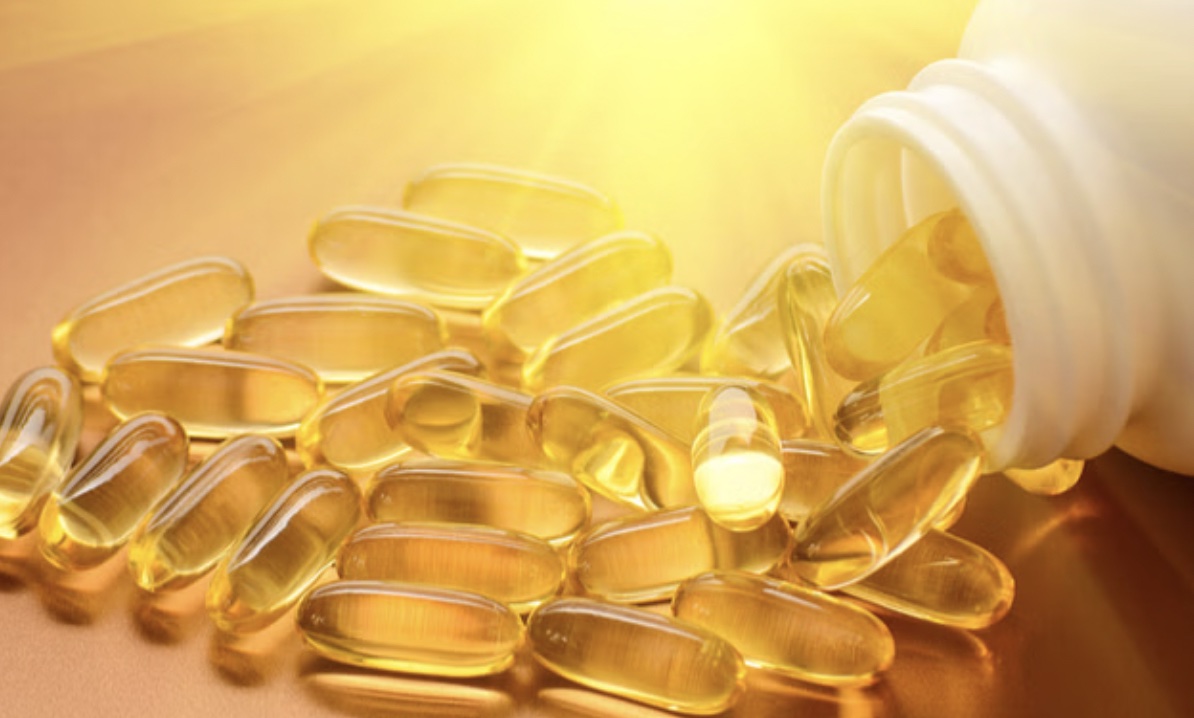
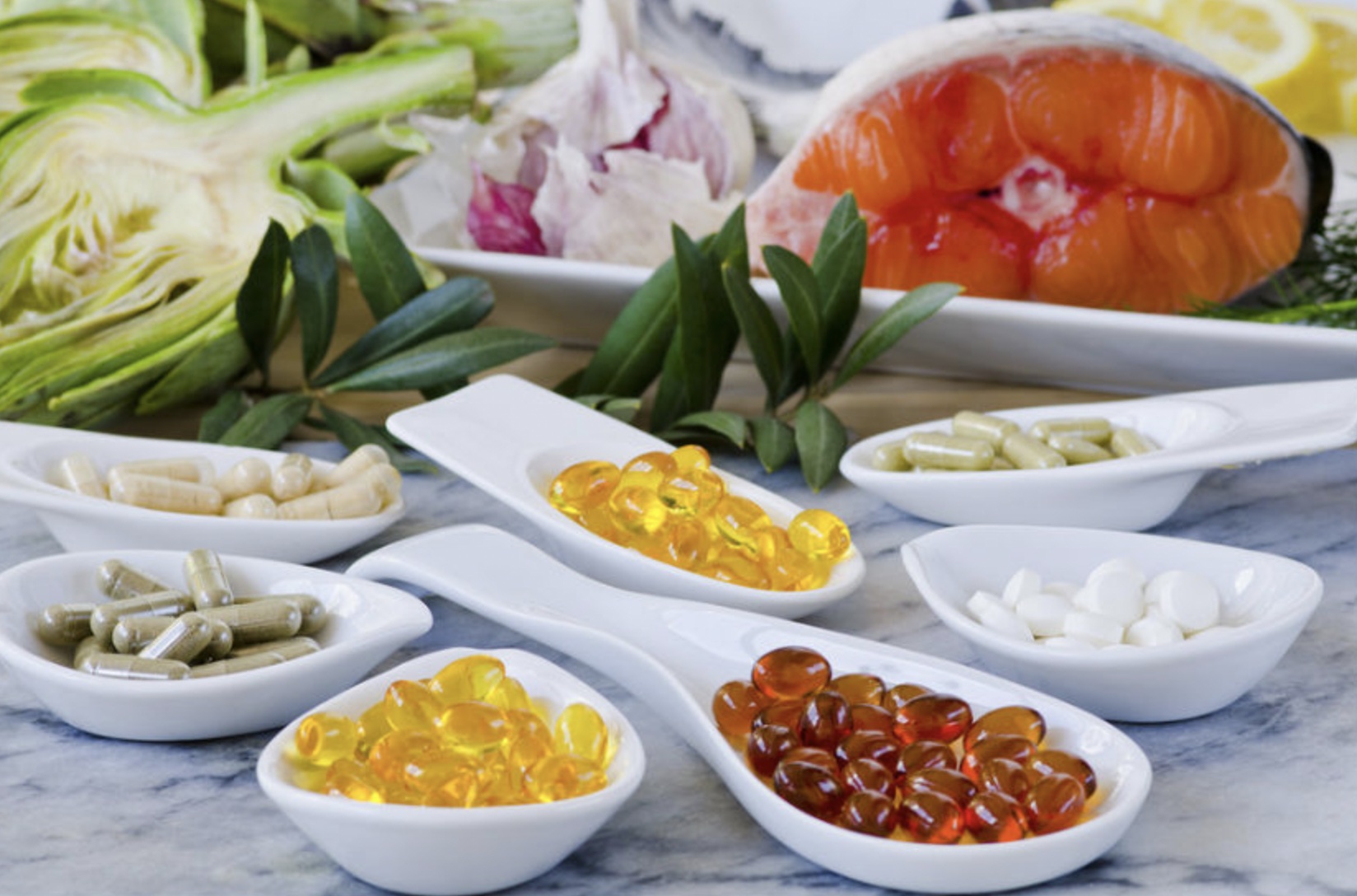
1)Vitamin D increases muscle mass, strength, power, and velocity, while lowering body fat. It’s important, though, to take the right amount. And that’s where your doctor comes in. The only way to determine what amount of Vitamin D supplement you need is to get regular blood tests. Everyone’s requirements are different, and should be individualized. Studies show blood levels of 50 to 70 are necessary for good health. I recommend you take 1,000 to no more than 4,000 IU daily.

2)Collagen peptide supplements have been shown to boost muscles and lower body fat. It has other benefits, too. For decades, it’s been established that collagen supplementation increases bone strength, density, and mass; improves joint stiffness/mobility, and functionality, while reducing pain. These aspects are associated with bone loss due to aging, and damage caused by strenuous physical activity. It also enhances your skin. This review of studies to date has found collagen lessens skin aging by minimizing wrinkles, lowering skin roughness, boosting moisture, strengthening skin, its layers, and building up skin collagen. More good news is that studies show taking oral collagen has no side effects. So you have nothing to lose, and everything to gain (except body fat) by supplementing your eating with collagen.
4) Yogurt daily, with its essential probiotics, burns fat, reduces insulin resistance, and increases muscle. Eat any kind of lowfat yogurt every day. The more, the better, if you’re eating fat free or low fat versions (the whole milk yogurts will increase your cholesterol levels). Greek yogurt contains very high protein levels for very few calories.
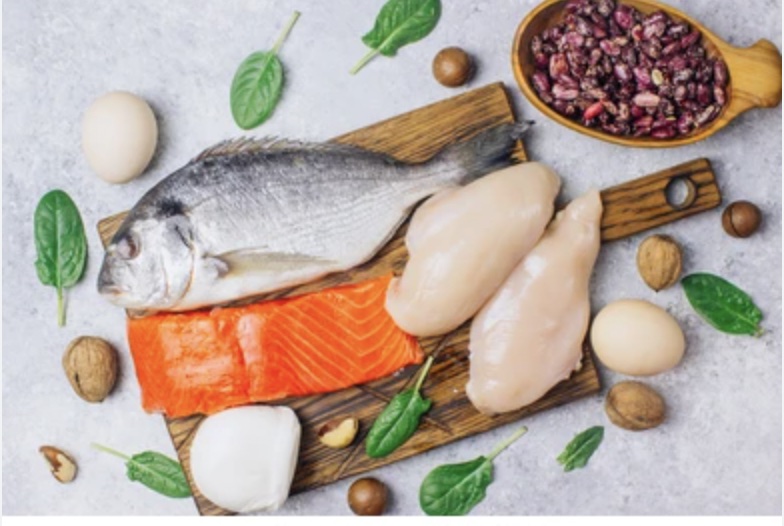
5)Protein is essential your entire life, but especially when you’re over 30, or when you’re losing weight quickly – an inevitable situation for most people taking Ozempic. Eating enough high protein foods is essential because losing muscle not only endangers your health, you become a thinner flabbier self! Internationally recognized professional organizations recommend protein intakes that are double the current Recommended Dietary Allowances (RDAs). In fact, joint recommendation by the Academy of Nutrition and Dietetics, Dietitians of Canada, and the American College of Sports Medicine are that we eat 1.2 to 2.0 grams of protein per kg of body weight each day (that’s 0.54 grams per lb. of body weight each day – to – 0.9 grams of protein per lb. each day).
The practical: One way to figure out if you’re getting the right amount of protein is looking at the Nutrition Facts Panel of foods that you buy and adding up the grams of protein in a meal and in a day. But since you’re not going to always eat food with labels, another measure is that one ounce of animal protein, and one egg, contains 7 grams of protein. Whole grains have about 2 grams per ounce (1 slice of bread or 1 ounce of cereal). 1/2 cup of legumes contain about 8 grams of protein.
High Protein Foods versus Protein Supplements: Protein supplements significantly increase blood glucose after exercise, when compared with high protein food. Both conditions increase blood insulin after exercise, which helps convert glucose to energy you can use. High protein foods are digested slower than protein drinks. That means your body is able to absorb more protein from one meal, according to this study in the Journal of The International Society of Sports Nutrition. Established research suggests that your body cannot absorb over 25 to 35 grams per meal, or eating occasion, depending on the person. Hint: Eat yogurt through the day to fill these requirement.
Timing: To be absorbed and to increase muscle effectively, eat high protein foods 3 to 4 times a day. Also, eat a protein-containing meal immediately before, or immediately after exercise. Eating your meal before or after exercise can depend on your personal preference, your schedule or how the meal makes you feel. For instance, does eating the meal before exercise make you feel too full and hamper your efforts? If so, try a smaller meal, or switch to eating the meal after exercise, instead of before. I recommend eating nonfat or fat free Greek yogurt as snacks between meals so your body can absorb more through the day.
Meal composition: In order for protein to be absorbed and to get the desired muscle increase and fat decrease, your meal must be mixed with a carbohydrate containing food. Yogurt is perfect. It’s a mix of carbohydrate and protein, with Greek yogurt being higher in protein than traditional European styles, plus your daily probiotic requirement. Its low calorie content, as long as it is low fat, means you can eat it throughout the day to satisfy the timing requirements.

6)Weight training is critical for gaining muscle. That doesn’t mean you need a complicated regimen, or to go to the gym. A simple weight training routine is all you need. All it takes is a few minutes of your time, and about five different exercises to gain muscle in your major muscle groups. The Mayo Clinic has guidelines you may find helpful. Weight training doesn’t have to be hard. You can search for routines you can do in your own home, that don’t require any equipment, and only take up the amount of time you’re comfortable with. Look up Women’sHealth Magazine’s “28 best bodyweight workout videos to try now, from 5-50 minutes – without equipment.” There are many easy exercise routines on YouTube, too, including this 5 minute routine.
7)Cardio: Cardio burns body fat, while weight training doesn’t. Losing body fat is just as important as gaining muscle. Both cardio and strength training are important, but have separate benefits. Cardio burns body fat, it lowers blood cholesterol, pressure, glucose, and reduces the risk for cancer. There are many reasons why I strongly recommend walking over anything else for your daily cardio. a) Walking is just as effective as running or anything vigorous, b)Virtually everyone knows how to walk, c) You are less likely to injure yourself while walking as opposed to running, or anything else that’s more vigorous, d) You can walk anywhere, whether you’re shopping, in a museum, at the zoo, in your neighborhood, or on a beautiful path in nature, e) You get to enjoy the outdoors, fresh air, and sunshine, f) Chores are a necessity of life, and they usually require walking more than usual. Plus you get more gold stars for doing your chores, g) You can actually get somewhere with your feet, an under-appreciated body part. Studies show that walking for a purpose, like getting somewhere or doing chores, is more likely to be sustained.
Another of Katherine’s strong recommendations is to wear a pedometer to track yourself. More than a decade of studies show monitoring your steps motivates you to walk more (of course, I knew this fact in the 1990s and was recommending pedometers way way back then!). Simply put: the more you walk, the more fat you burn.
How to begin a walking routine? The key here is to prevent excessive soreness and injuries. With that in mind, do not walk more than usual immediately. Get a baseline number of steps first. Once you’ve established your baseline – the average steps you’re already taking – use your highest step day – and walk that amount daily until you’re comfortable consistently. Once you’ve experienced no soreness with that level of walking, start increasing slowly. Try adding just 1,000 steps (about half a mile), and keep that up for a few days or more, until it gets too easy. Then I recommend you increase by 1,000 steps every few days to a week. Don’t worry. You’ll have plenty of time to achieve your steps goal.
There is no need to spend more than $50 on a pedometer. The clip-ons are better and more accurate than ones you wear on your wrist. Clip-ons actually measure steps, while the bracelets and watches measure your wrist movements. One of my clients got 10,000 steps a day … by knitting! 30 years ago, I recommended an Omron pedometer, and I still do today. You can find them on many websites

Medicinal Magical Mushrooms: One of the Most Significant & Potent Foods-As-Medicine
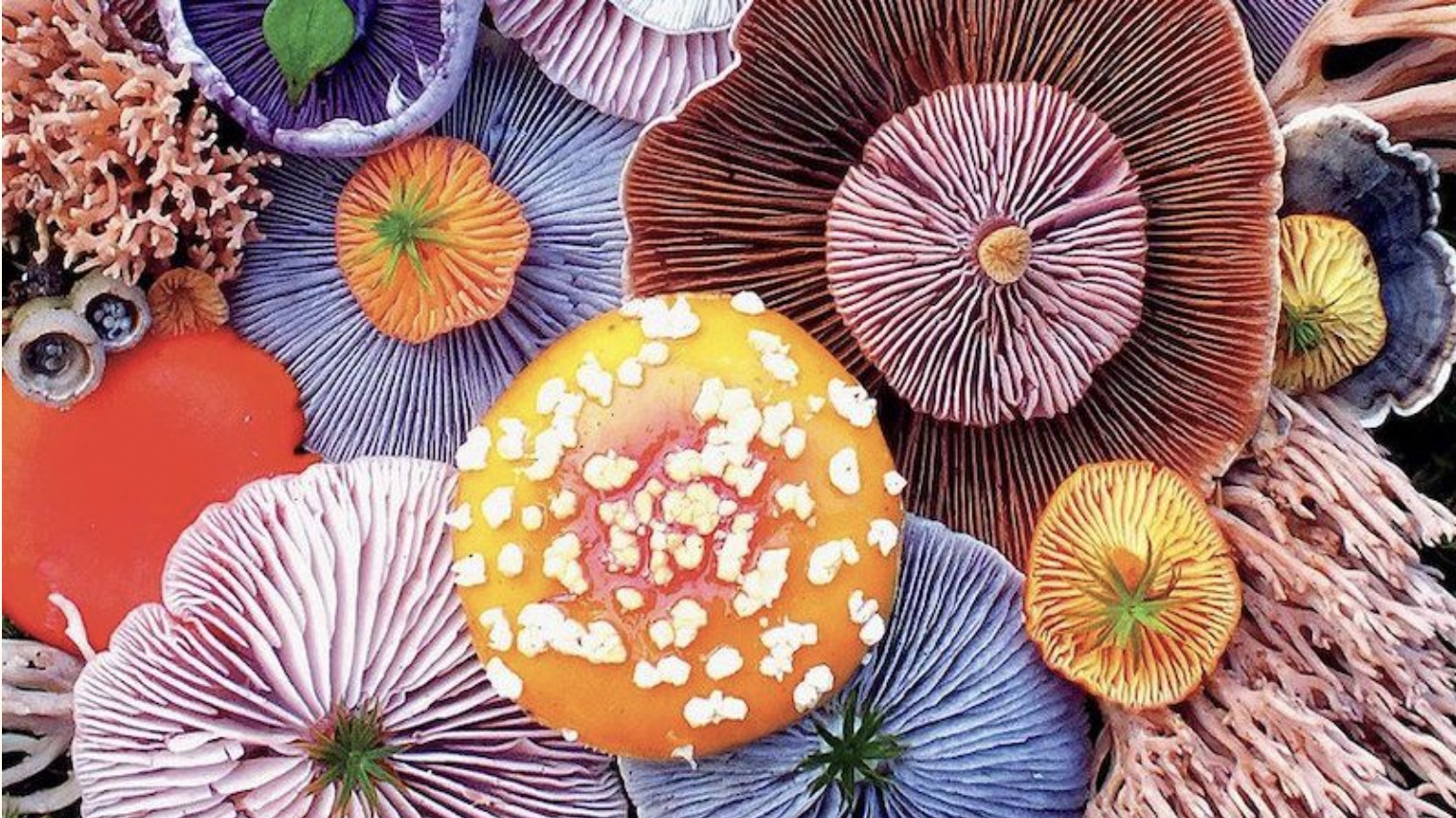
Compared to any other food or supplement, mushrooms’ health and healing benefits are spectacular and unique. And not only do they significantly boost your health, they are natural healers of the environment, too.
“Mushrooms possess antioxidant activity, anti-hypertensive activity, hypocholesterolemic activity, liver protection, as well as anti-inflammatory activity, anti-diabetic activity, anti-viral activity, and anti-microbial activity,” according to this scientific review of all studies to date.

“Mushrooms have been consumed since our earliest history. Ancient Greeks believed that mushrooms provided strength for warriors in battle. The Romans perceived them as the ‘Food of the Gods.’ For centuries, the Chinese culture has treasured mushrooms as a health food, an ‘elixir of life’,” according to this study, which is a great source for learning edible mushroom facts, function, and history.
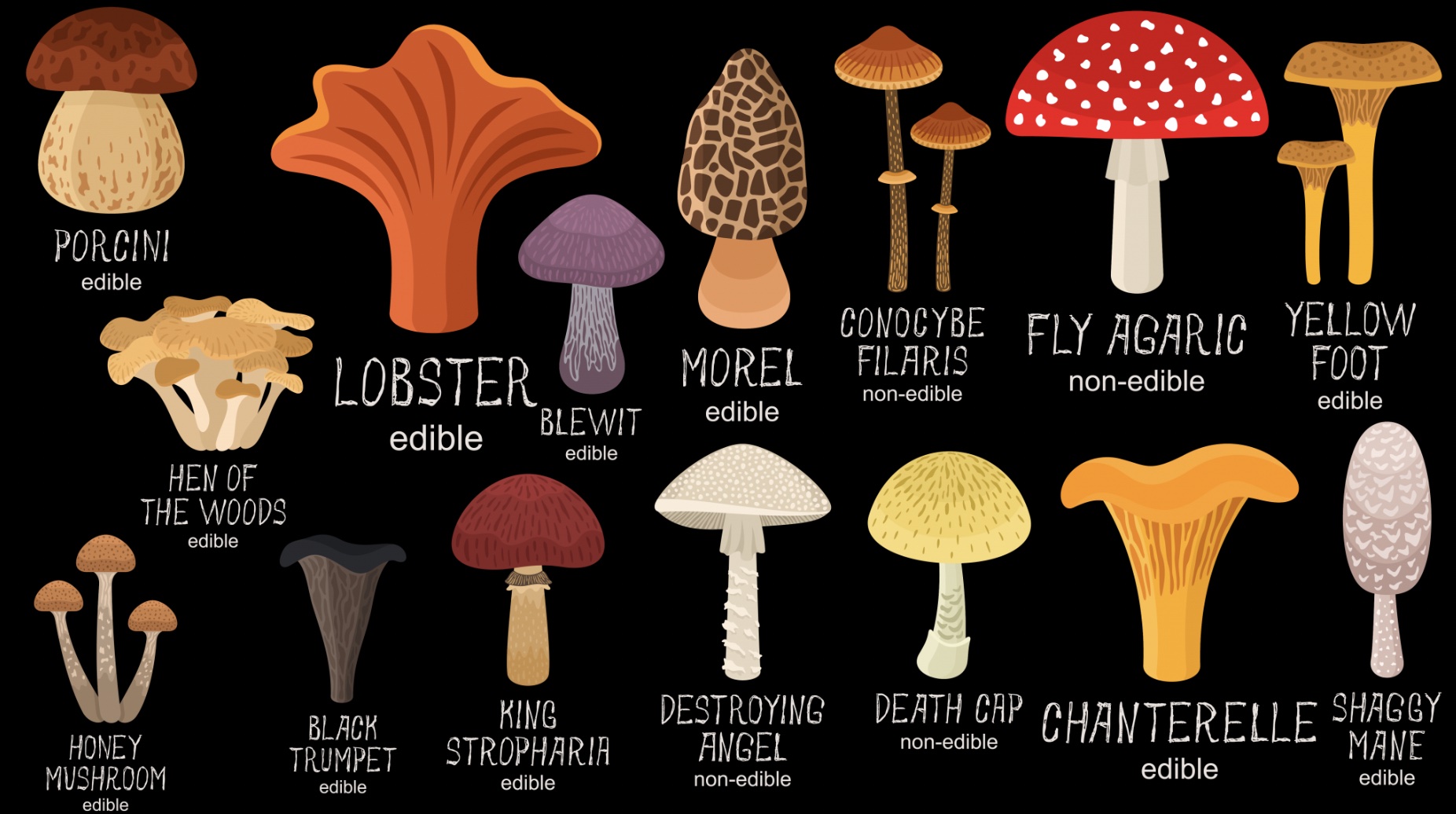
Healing mushrooms may be edible – or not! If you look up each one, you’ll find which is which. You can buy the exotic, edible types at Farmer’s Markets, or specialty shops. While some healthy ones are safe, you wouldn’t want to eat them because they are bitter and tough. Those are consumed through capsules, extracts, sprays, powders, teas, and syrups, instead.
An ardent and renowned mycologist, and mushroom enthusiast for 30 years is Paul Staments. A big and burly Grizzly Adams of a man, he is a pioneer in the cultivation of edible and medicinal mushrooms, and is credited with the discovery of at least five new mushroom species. He’s been featured in scientific papers, and in the fascinating documentary, “Fantastic Fungi,” in which he and a host of scientists excite you – in stunning technicolor – about, well, fantastic fungi! I watched it, mesmerized, while suffering in my dentist’s chair! It’s a must-see for anyone interested in health or the environment.
Staments founded HostDefense.com, which has great information about various mushrooms’ health benefits, and where you can buy mushroom powders and supplements. He also founded Fungi.com, with products that help you grow your own mushrooms, go mushroom hunting, and buy identification guide books. You can even buy mushroom “grow kits” for beginners and those with more advanced experience. I’m experimenting with growing Reishi and Lion’s Mane mushrooms. They are two of the most beneficial mushrooms.
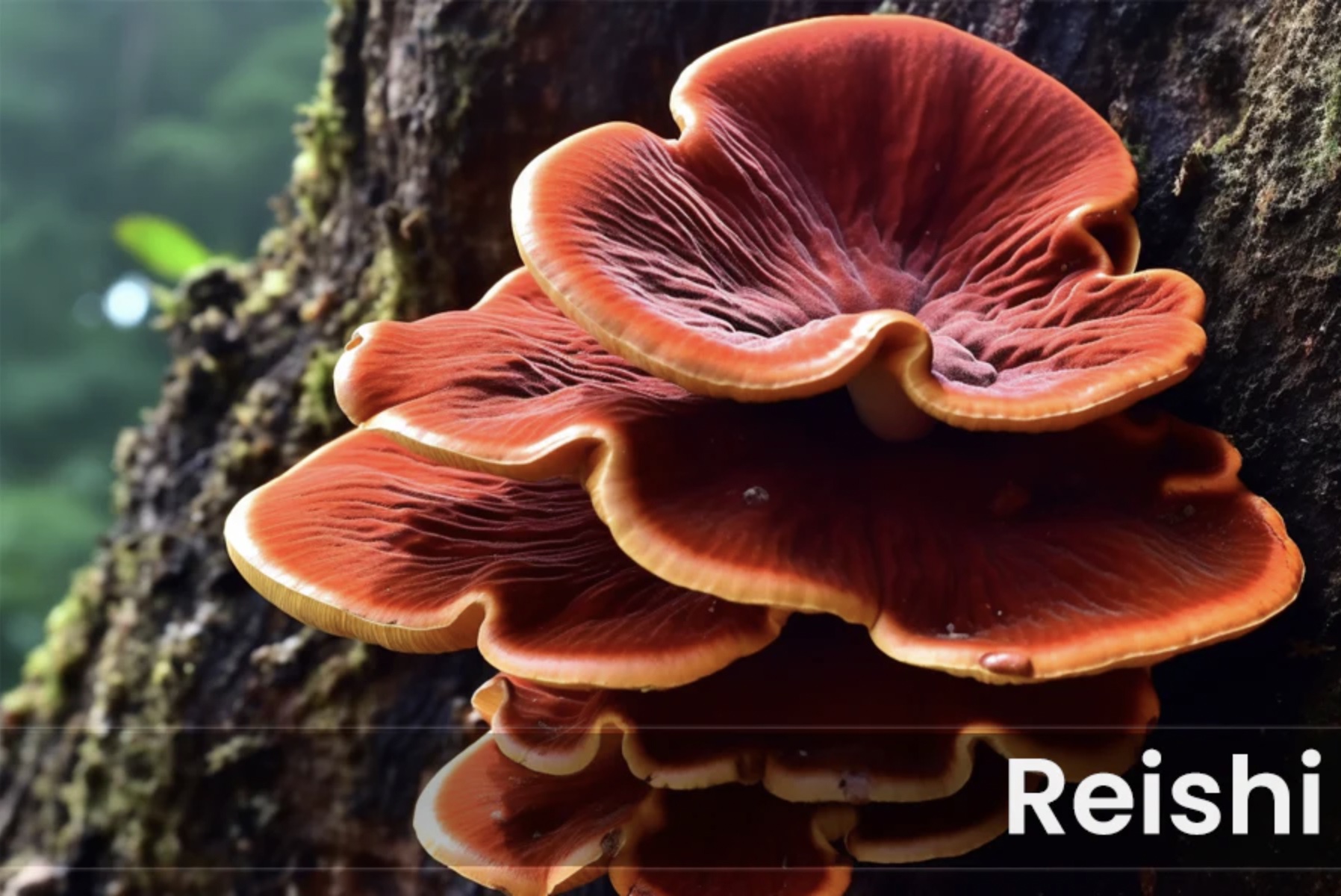
According to a recent study in the journal, Foods, Reishi Mushrooms boost the immune system. They have anti-viral effects, reduce inflammation, and oxidation, potentially reducing the risk for a host of illnesses, including infections, cancer, heart disease, and diabetes. Reishis tend to be tough and bitter, so they’re consumed in supplemental capsules, powders and teas. But just like any supplement, which are concentrated versions of a food or nutrient, they are not recommended in high doses. Eating whole foods is always ideal, but since Reishis aren’t really edible, and supplements provide a concentrated version, be careful not to overdo.
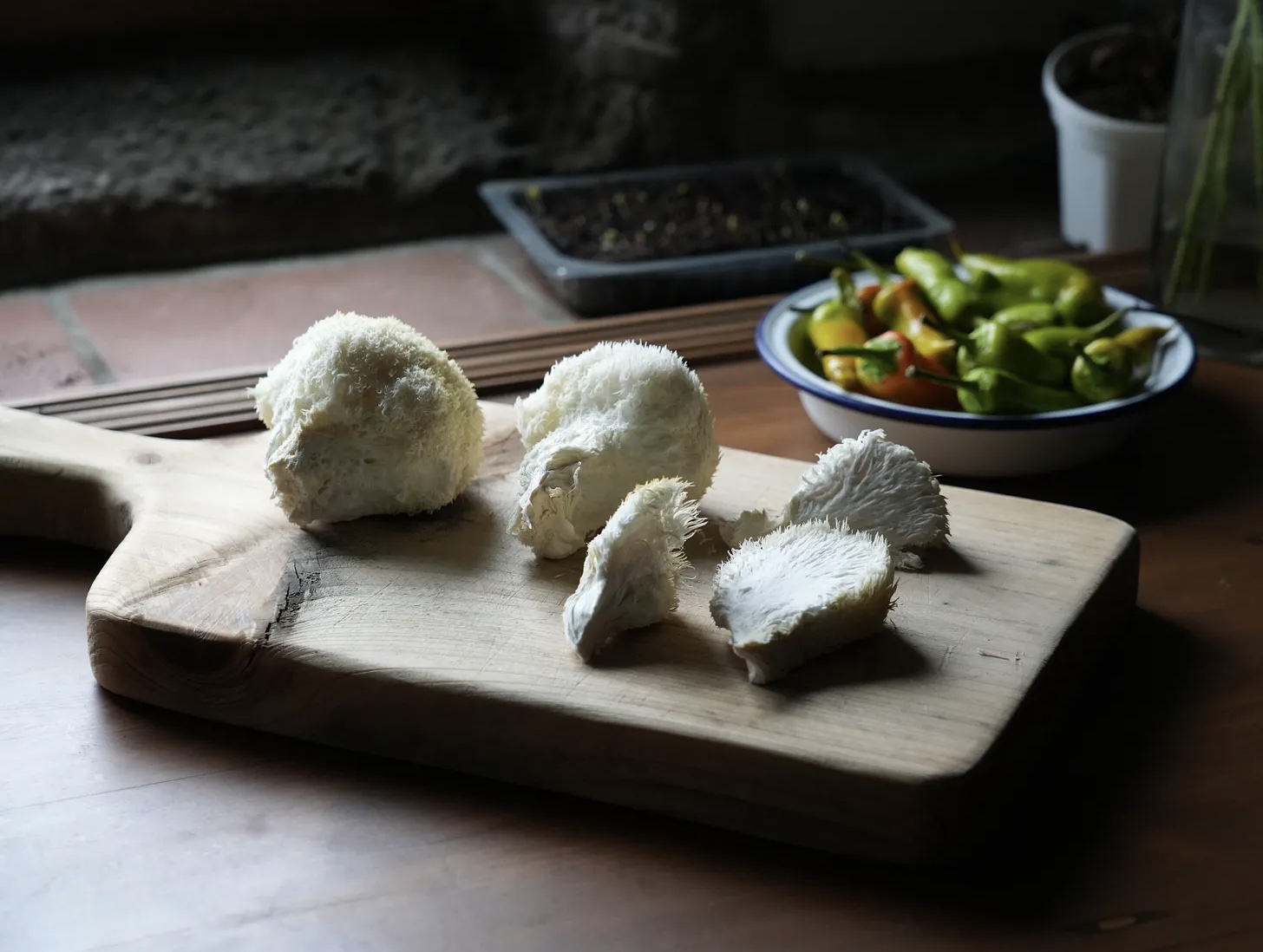
Lion’s Mane may regenerate nerves and enhance brain activity, thus improving memory and other nervous disorders. Luckily, they are edible, and sought after as a culinary delicacy.
While mushrooms have been used medicinally for centuries in the Far East, scientific research on their specific nutrients and benefits is in the early stages. Initial studies are promising, with many benefits already established and recognized by the scientific community.
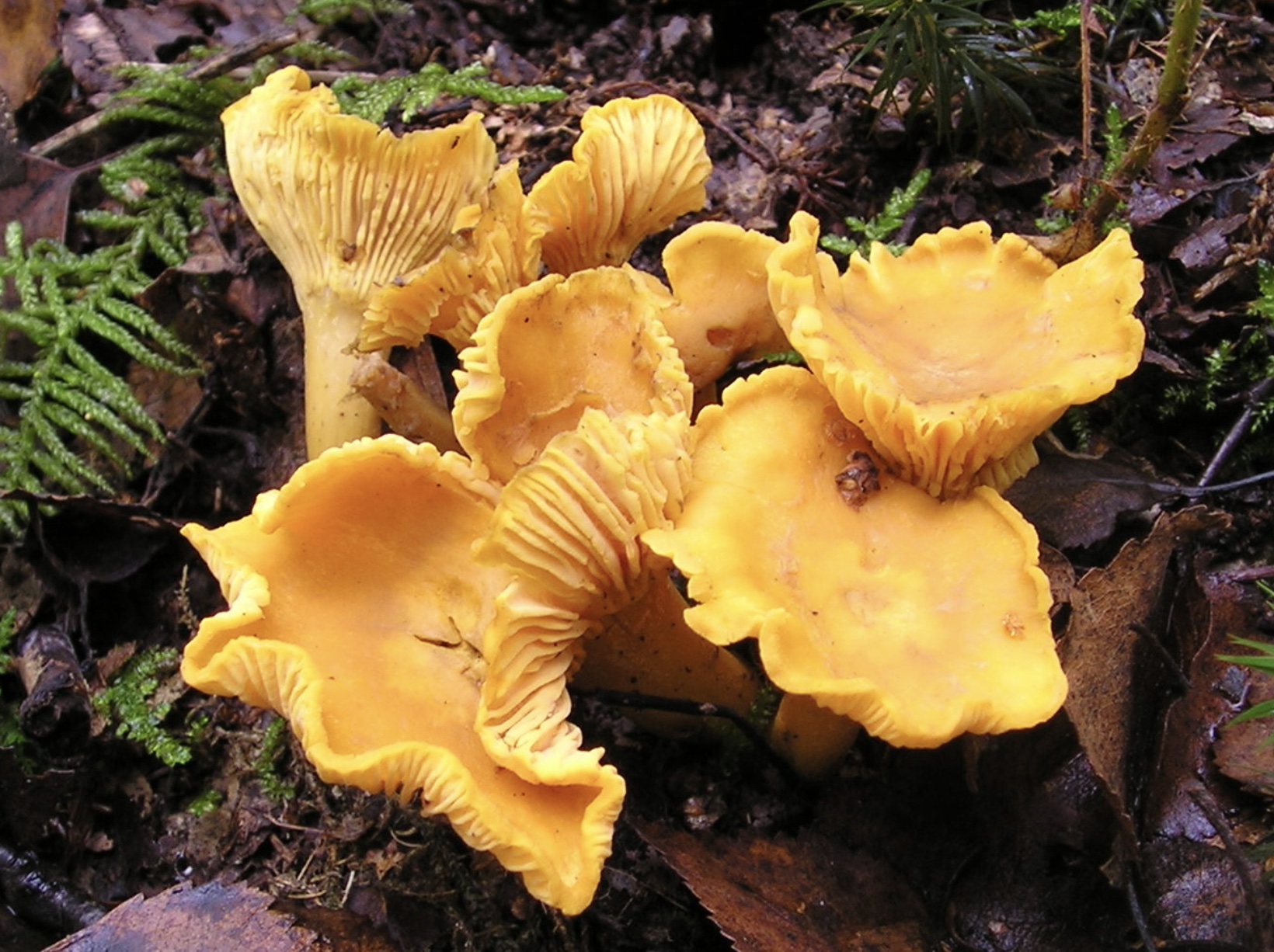
In Sweden, my home country, mushroom foraging is a national past time. The most desired mushroom there is the chanterelle.
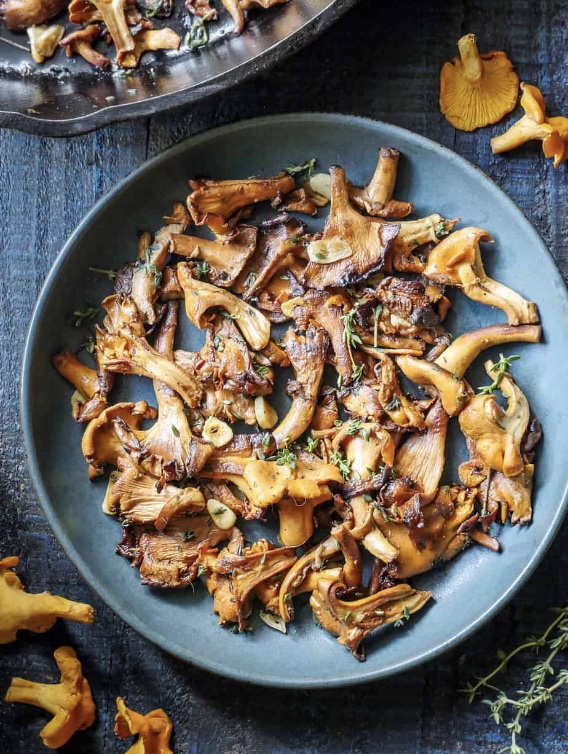
We find their golden clusters in the vast forests, then we run home with our brimming baskets, and sauté them. I’m sure they have a host of health benefits, but I don’t really care, because they’re just darn tasty!
Recipe: Find as many chanterelles as you can. Brush them to remove soil. Slice in quarters. If you wish, parboil them for a minute to remove dirt and (possibly) worms. Sauté in hot canola oil until golden brown. Add herbs like thyme or rosemary to the sauté. Sprinkle with salt and pepper. If you like, top with a little grated parmesan cheese. Et Voilà! We serve them on toast.
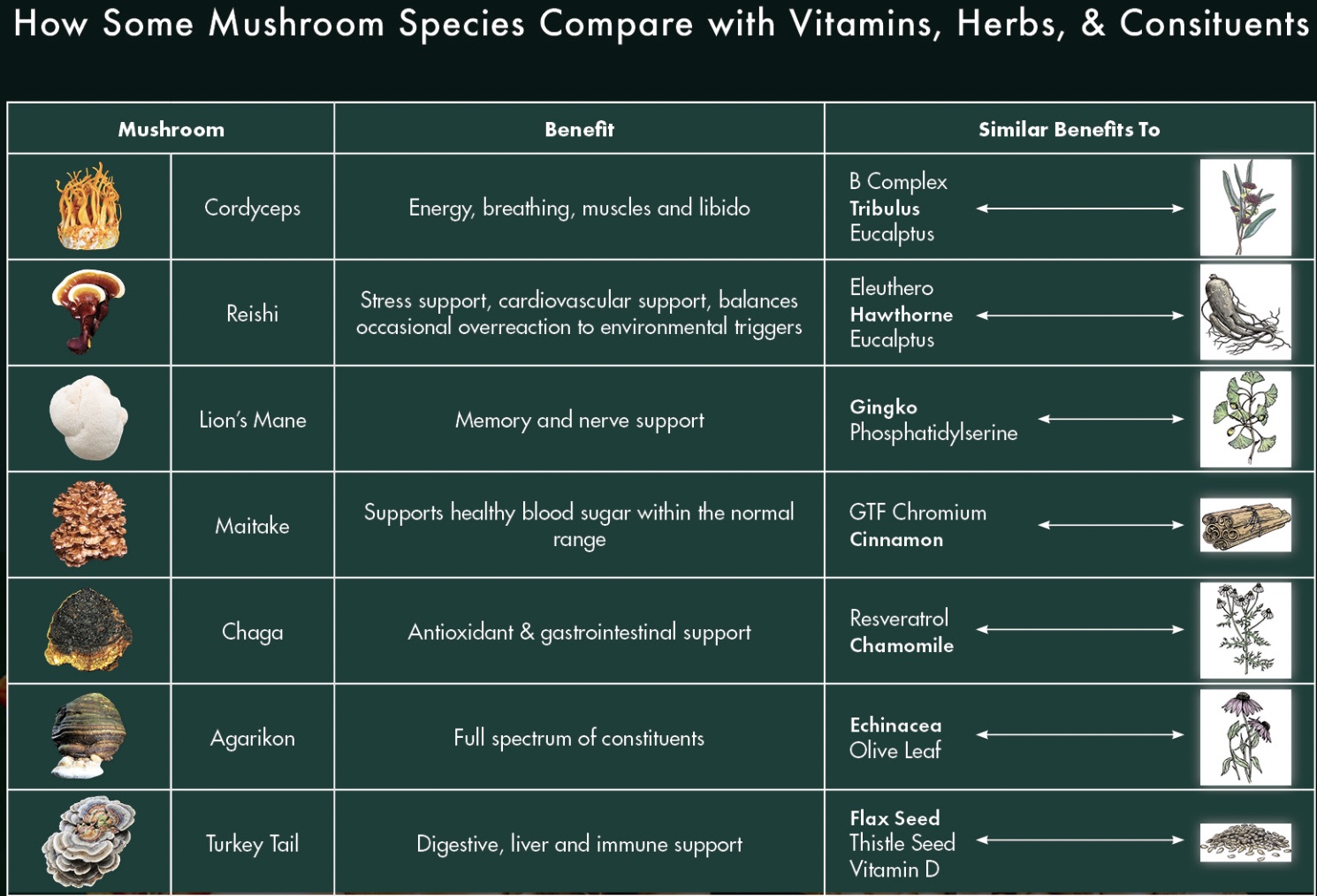
The following is a scientific chart of medicinal mushrooms’ extensive and established benefits.
(At the bottom of this chart, see * , and ** , to help us understand this chart’s terms and definitions better):
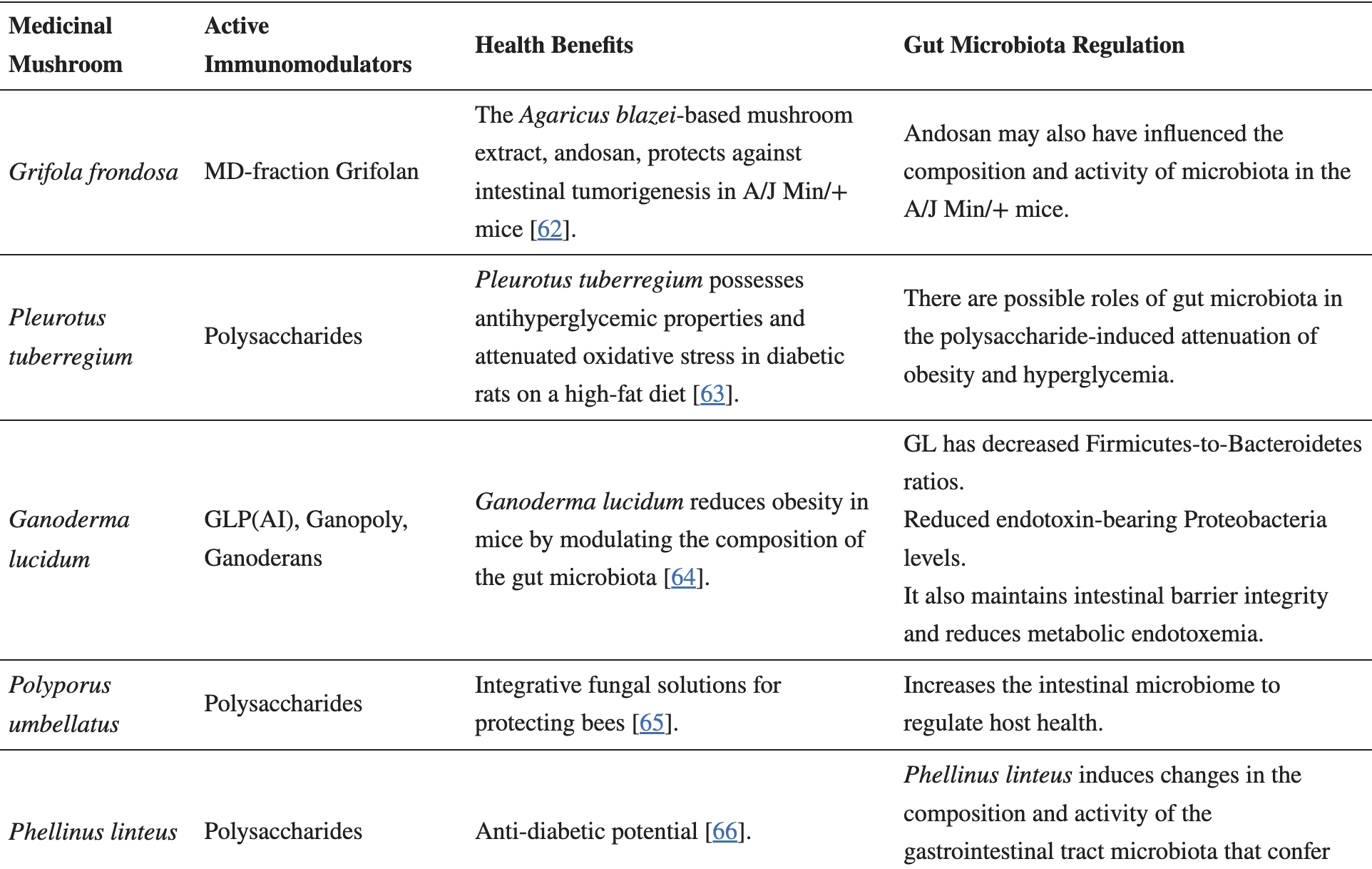
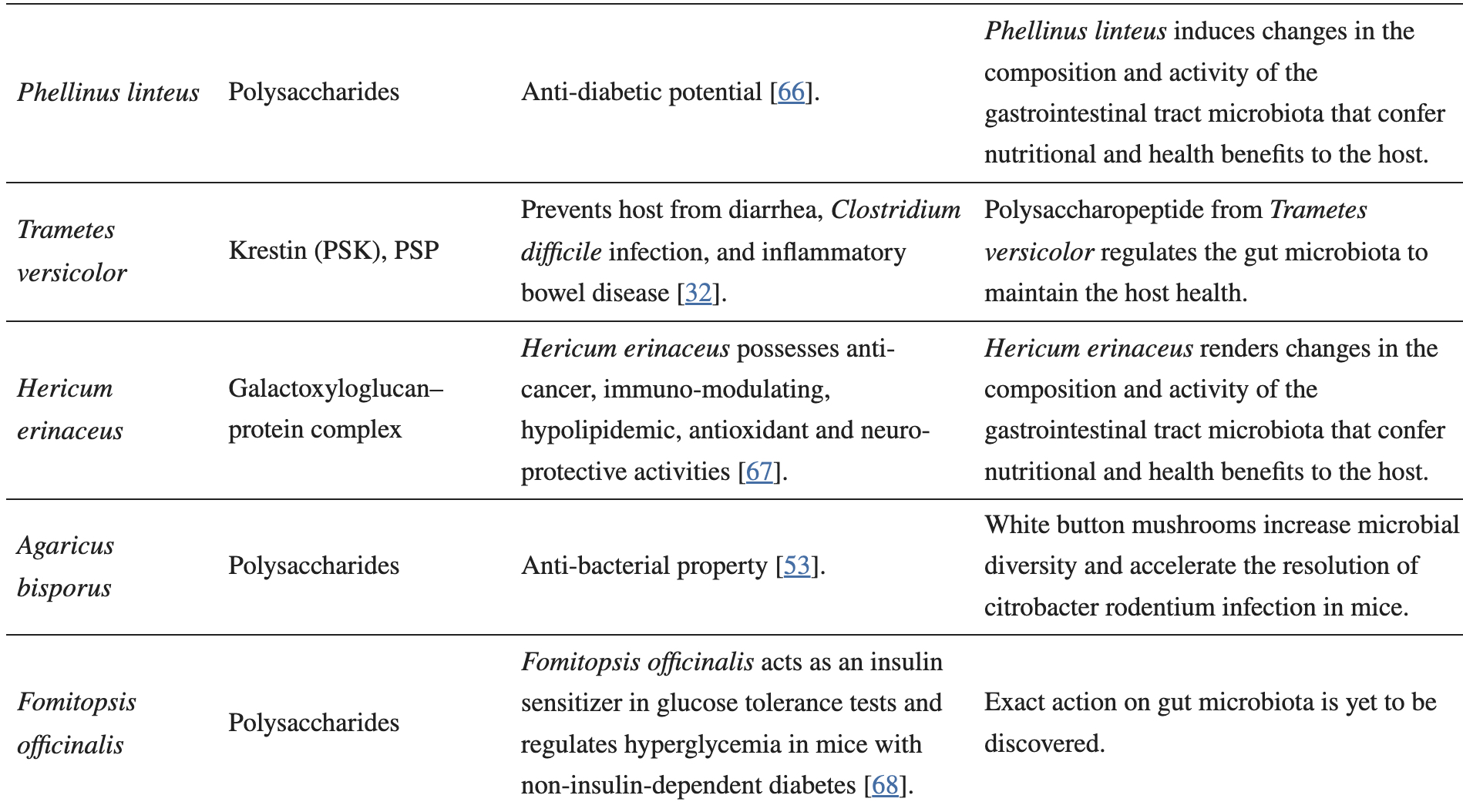
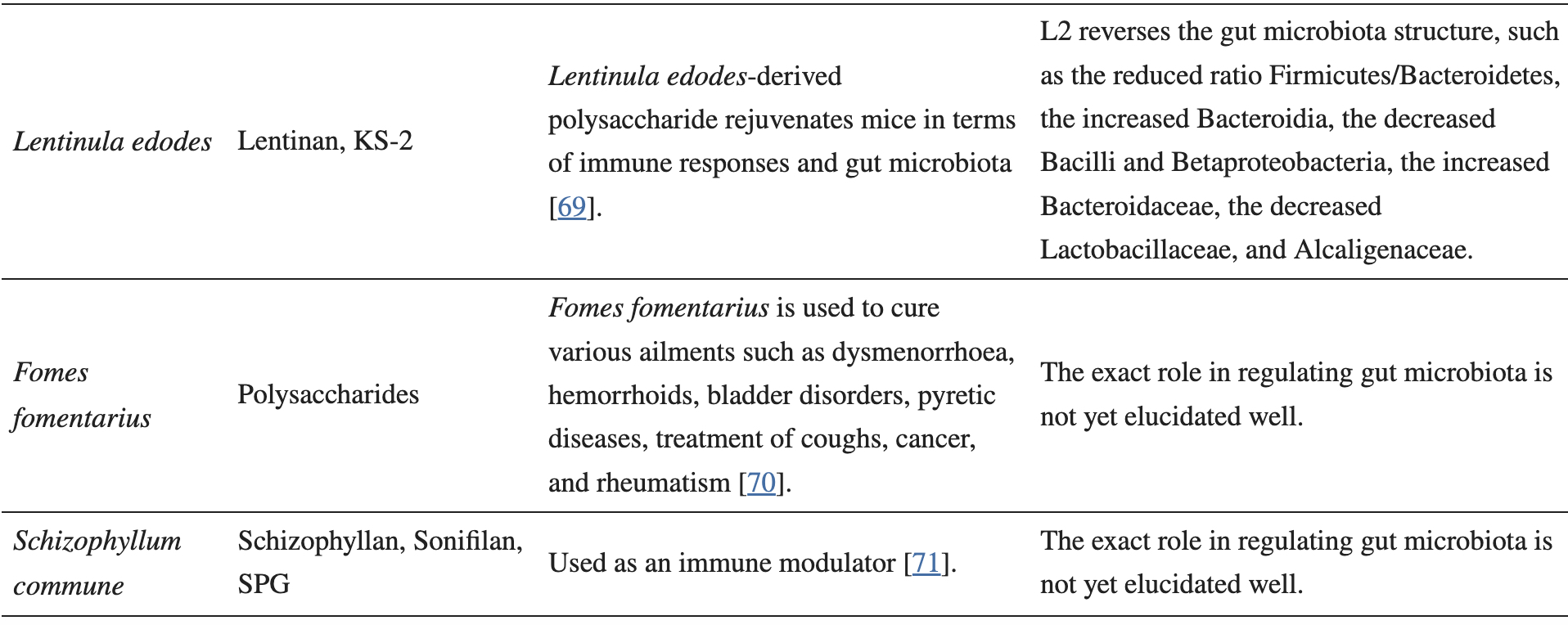
*To translate this chart, consider the “Host,” as YOU when it describes their health benefits of the gut’s microbiota. **Google the scientific name to get the mushroom’s name in English. For instance, “Grifola Frondosa” is “Hen-Of-The-Wood.” “Ganoderma Lingzhi” are “Reishi.”
Mushrooms Clean Up Pollution – Goodby Oil Spills, Plastics & Poisinous Drinking Water
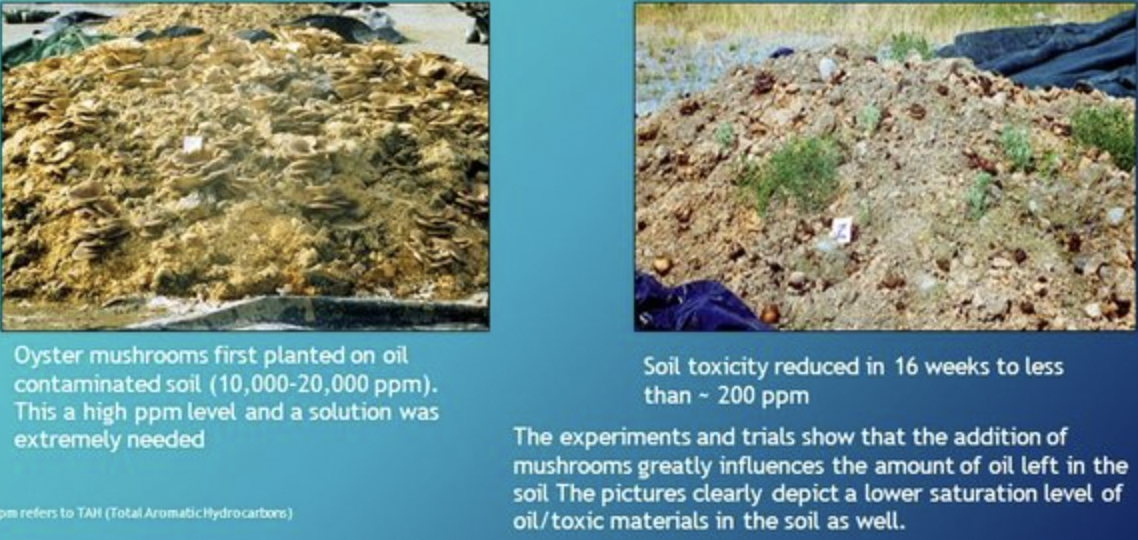
While my dentist was fitting me for three crowns (bad teeth genes), and while I was thankfully distracted from the drilling in my mouth, I learned how mushrooms can absorb and reduce pollutants. “More than 20% of global deaths can be traced to pollution-related health complications. Pollution impacts almost every aspect of our existence, the living, and nonliving components of the environment,” according to this review of plastic pollution. Mushrooms are remarkable, alien-like creatures. They even clean up oil spills!

Mushrooms are the perfect solution for so many reasons. They eliminate the need to transport toxic materials to treatment sites. They’re environmentally friendly, need only a small amount of space, and are a low cost solution. The work can be done with less skilled people, and can be used easily wherever needed.
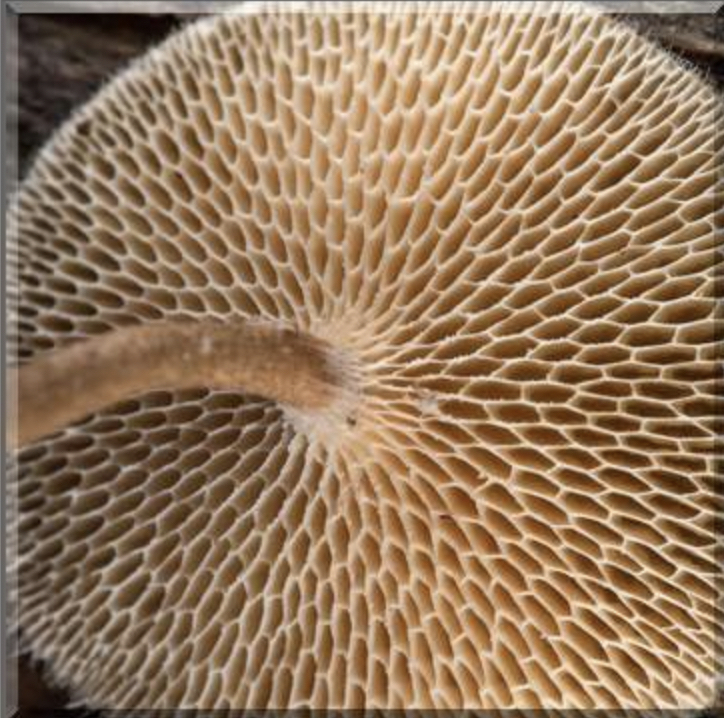
Mushrooms are a simple tool for cleaning up the environment. Using mushrooms is a biological approach to “clean technologies,” which emphasizes maximum production, reduced waste generation, treatment, and conversion of waste into a useful forms. These clean technologies focus on the use of biological methods for the remediation of waste. Mushrooms improve the environment in a vast number of ways. They absorb like sponges, and their enzymes break down a wide range of environmentally persistent pollutants:
1) Plastic pollution has been a persistent and global problem for more than half a century. Various health conditions such as thyroid dysfunction, obesity, diabetes, and reproductive impairment have been attributed to plastic pollution, according to this review in Frontiers in Marine Science. Plastic pollution comes from synthetic fibers, paints & coatings, tire tread abrasion, cosmetic products, packaging, and more. According to some, we have become a plastic society.
2)2,4-Dichlorophenol (DCP), a pervasive pollutant, DCP is a deadly byproduct of improper disposal in the manufacture of various consumer products, drugs, pesticides, food additives, fuels, and industrial solvents. It’s found in water, air, and soil. Agricultural use of pesticides, insecticides, and herbicides are the main source of water pollution.
3) Oil spillages into the environment have become one of the biggest problems in the last century. It is notoriously resistant to clean up efforts, with oil spills, tank leakages, and waste water disposal the major sources, according to this review in 3Biotec. Oil pollution has been implicated with higher risks for asthma and other respiratory conditions. It weakens the immune system, causing a multitude of conditions, including a higher rate of various cancers, and poor pregnancy outcomes. This study, in Saudi Arabia, with its preponderance of crude oil pollution, found certain strains of mushrooms significantly degraded crude oil. The researchers found they helped preserve the environment and cleaned crude oil in the soil.
4) Healthier protein sources have been developed using mushrooms, with their naturally-occuring enzymes. They eliminate the need for environmentally and health damaging sources of food proteins, for instance, industrial animal farming. Mushrooms have a low cost of production, an abundant supply, and thousands of bioactive phytonutrients (phyto is Greek for plant), compounds beneficial for health.
Mushroom Recipes
Michel Richard’s Chicken, Mushroom and Barley Soup
excerpted from Diet Simple: 195 Mental Tricks, Substitutions, Habits & Inspirations
4 servings (or more if you add more mushrooms)
Nothing could be simpler or more delicate than this dish. The flavors are rich and earthy, and contain that elusive fifth flavor, umami. It contains all the elements of a complete meal. It’s nutritious and filling. I feel honored that Michel Richard provided this recipe for Diet Simple. It fits perfectly as something you can cook, store in the refrigerator and eat for several meals. A favorite of anyone who tastes it. Using my method for slicing the chicken, it will be delicate and moist, instead of dry, like most chicken breast dishes.
Ingredients:
2 Tbsp Canola Oil
2 Small Onions, Peeled and Diced
1 Pound Thinly Sliced Mushrooms
2 Quarts Unsalted Chicken Stock (defatted)
2 Tablespoons Light Soy Sauce
6 Tbsp Pearl Barley
4 Cloves Garlic, peeled and minced
Salt and Freshly Ground Black Pepper to taste
About 1 pound chicken, boned, skinned, and sliced thin (see instructions)
Heat the oil in a heavy, large saucepan over medium-low heat. Once the oil is jot, add the onion, cover, and cook until translucent, for about ten minutes – or more, while stirring occasionally. Add the mushrooms. Increase heat to medium-high and cook uncovered until lightly browned, for about five minutes, stirring occasionally. Add the chicken stock, soy sauce, barley and garlic. Simmer gently for about 45 minutes to cook barley and blend flavors. Season with salt and pepper. (This can be prepared ahead, cooled, covered and set aside at cool room temperature for up to four hours or refrigerated for several days.)
To make perfectly tender slices of chicken for your soup, put the chicken breast in the freezer. When it is half frozen, place it on a cutting board. Using a sharp knife, slice as thinly as you can – across the grain.
Once the vegetables and barley are cooked, turn off the heat. Toss in the thinly sliced chicken breast. It will be cooked throughout, and opaque, in less than a minute. Ladle into four or more soup plates.
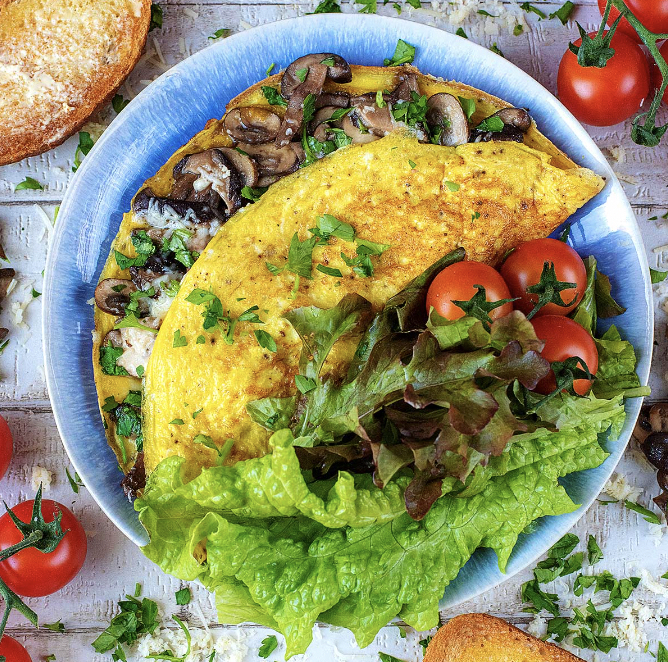
Eggs Scrambled with Mushrooms, Onion, Garlic, and Sweet Cherry Tomatoes
This is a great meal for me any time of the day – quick, easy, and delicious
Servings: 1
Heat a teaspoon to tablespoon of canola oil in a shallow nonstick pan. Saute 1/4 chopped sweet onion and a smashed garlic clove over medium heat until almost soft. Add a handful of tomatoes to the pan (or any other vegetables you happen to have such as chopped spinach or peppers) and cook for another 5 minutes. In a separate bowl, whisk 2 eggs. Pour eggs into the pan containing the onion, garlic and tomato – add 1 ounce lite cheese (I love the Trader Joe’s. It melts beautifully and tastes even better). Stir continuously until eggs are cooked. Pour over toasted whole rye bread.
NOTE: Use canola oil instead of olive oil. Olive oil is more likely to burn. It also loses all of its nutrients when you cook with it. Save it for drizzling.
URGENT: Nutrition for Cold, Flu & COVID is Crucial for Maximizing Your Immunity
- At January 11, 2024
- By Katherine
- In Articles, News
- 0
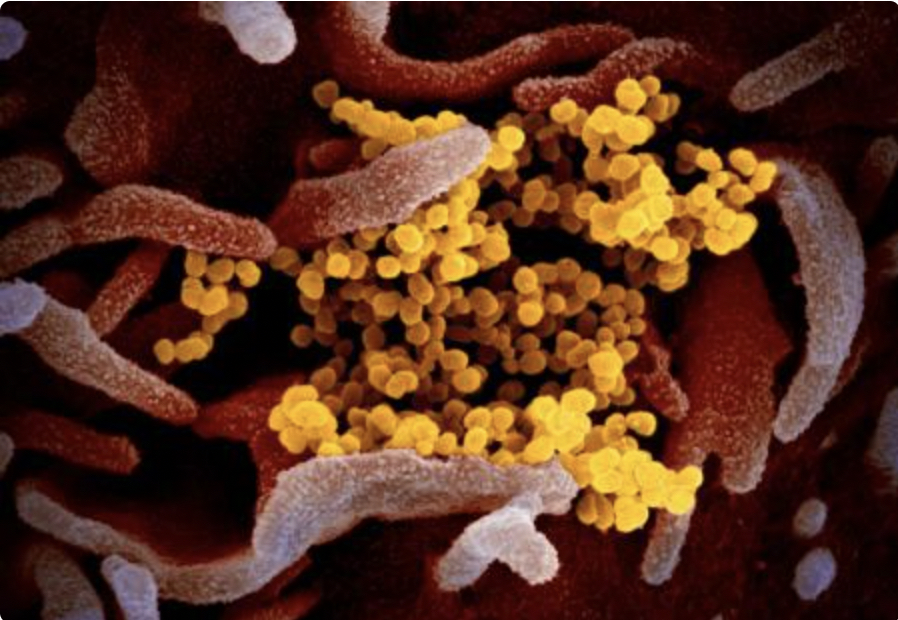
This scanning electron microscope image shows SARS-CoV-2 (yellow), the virus that causes COVID, emerging from the surface of infected cells (pink) grown in the lab. Credit: National Institute of Allergy and Infectious Diseases
It’s the height of COVID and flu season
Serious cases, hospitalizations, and even deaths, are increasing every day
Prevent yourself from succumbing by choosing the right foods and supplements. Studies have shown that making the following choices may lower the intensity, and the length, of your infections significantly. The nutrients in food work in two ways. They either fight infections by killing the virus itself, or by maximizing immunity, that is, activating your immune system’s army of disease-fighting warrior cells.
Nutrition is paramount, especially NOW
COVID cases are peaking!
Both flu and COVID cases have increased precipitously, and are even overlapping. Being infected with flu and COVID at the same time is the worst case scenario
Avoid catching an infection in the first place

Winter is the prime cold and flu season. You’re more likely to be indoors and closer to others. Practice prevention strategies: Keep up to date with your vaccinations, stay at home if you’re sick, wash your hands regularly (while reciting the alphabet), cover your face when sneezing or coughing.
“Cold and flu viruses survive better and are more transmissible if it’s cooler and if there’s lower humidity,” said Dr. Aubree Gordon, infectious disease expert at University of Michigan, in a National Institutes of Health newsletter.
CRITICAL FOODS and NUTRIENTS
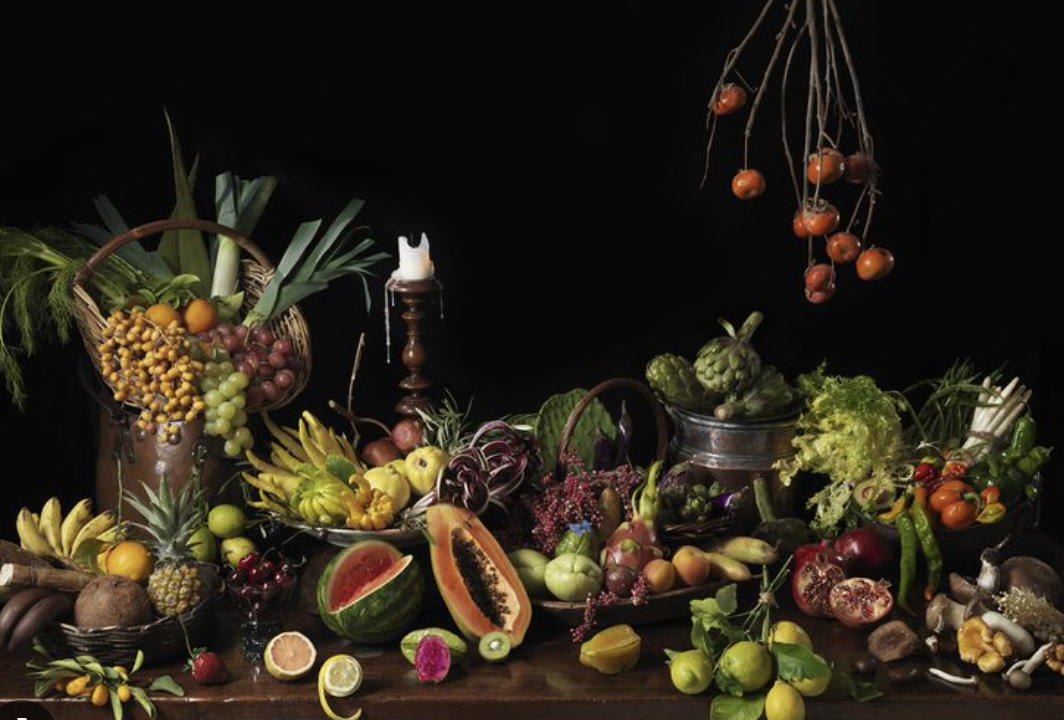
Click the links below to learn more detailed and * amazing * facts about the following foods and nutrients
Probiotics: Foods that naturally contain probiotics are yogurt and kefir. They improve your gastrointestinal tract’s microbiome, that is, its microscopic “ecosystem” of cells. Those cells are called microbes. Your health is dependent on these beneficial microbes and the more you have, the more likely you can recover from infections, especially colds, the flu, and COVID. Yogurt and kefir are the only foods that have been studied for decades, and that scientists have found improve your health consistently and significantly. I recommend you eat one or the other EVERY DAY for superior health (If you’re not Middle Eastern, kefir may be an acquired taste).
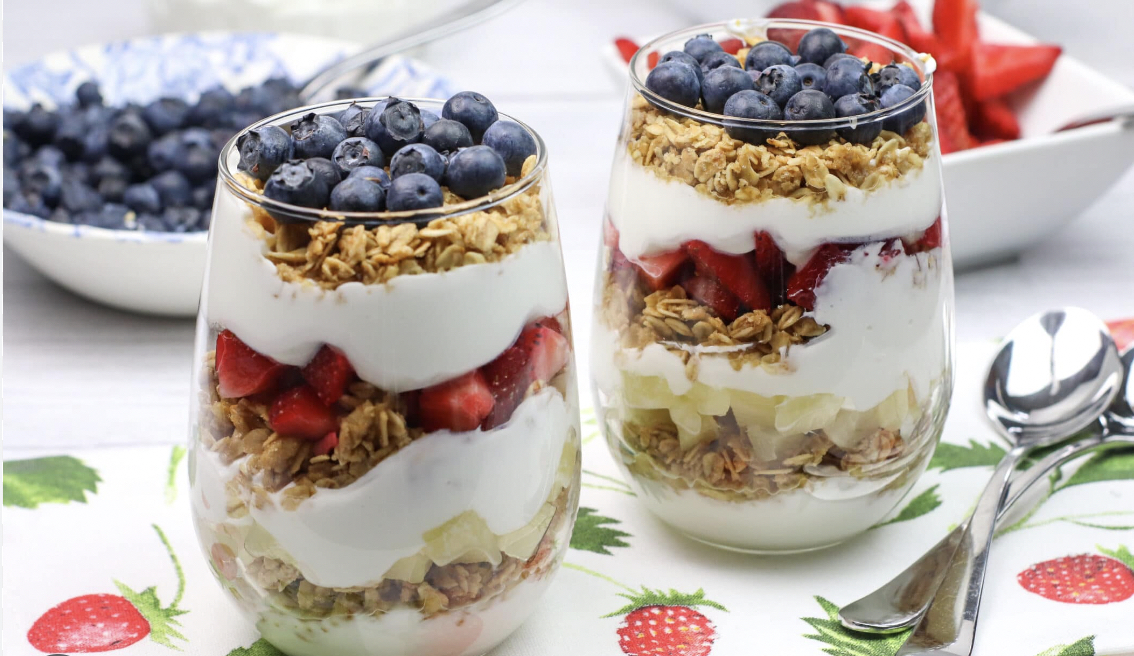
Vitamin D is the most crucial supplement because it is found in virtually no foods. Today’s lifestyle prevents an adequate blood supply to prevent acute and chronic diseases. I recommend that you take 1,000 to 4,000 IUs daily, and that you ask your doctor to check your blood values regularly. A Vitamin D prescription, as opposed to over-the-counter, will be purer, and is usually covered by insurance.

Vitamin C: Considered a “water soluble” vitamin, a delicate vitamin category (versus “fat soluble”) that is easily destroyed if your high vitamin C foods are not handled with care. You must avoid exposing them to light, heat, or air. Examples include Citrus fruits, peaches, sweet and hot peppers, papayas, pineapple, strawberries, broccoli, kiwi fruit, potatoes, Brussels sprouts, kohlrabi. It’s important to eat Vitamin C-rich foods. A vitamin C supplement cannot replace the nutrients whole foods. But, I recommend you supplement your diet with 500mg daily. Increase to 1,000mg when you have symptoms. This particular study recommends you take 8X that amount within 24 hours of symptoms. But studies have been inconsistent about the amount to take. At higher intakes, I recommend you take Vitamin C with some food. It may cause indigestion.
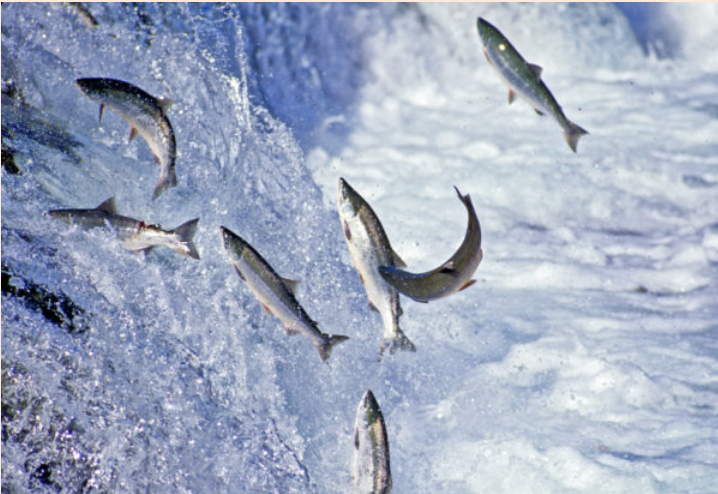
Omega-3-Fatty Acids: Marine sources are fatty fish, such as Sardines in sardine oil, mackerel, herring, salmon, anchovies. Flax seed, canola oil, and walnuts are great vegetarian sources, but especially flax seeds – though they must be ground, not whole. Your body cannot digest or absorb the seeds. If you don’t eat 12 oz. of fatty fish weekly, you will need to supplement your diet with 1,000mg daily. I recommend Nordic Naturals, with a lemon taste (and no fishy aftertaste!).
BEWARE!
Virtually all Omega-3 supplements on the market can do more harm than good, or at minimum, are less effective than claimed. Look at the fine print on the label:
- Add up the “Total Omega-3 Fatty Acids” and look at how many capsules you need to take to achieve a total of about 1,000mg daily,
- Don’t buy any supplement that contains Omega-6-Fatty Acid. it competes with Omega-3’s and your supplement will not only be useless, but dangerous. If too high, Omega-6’s cause inflammation, allergies, cardiovascular disease and the numerous conditions caused by inflammation,
- Only buy a supplement if the two Omega-3-Fatty Acids, DHA and EPA, are found in a 50/50 or 60/40 ratio – the same ratio found naturally in fish. But often, manufacturers take out most of the DHA and sell it separately, since it’s the most important Omega-3. This is a lose-win proposition. You lose, the supplement manufacturer wins.
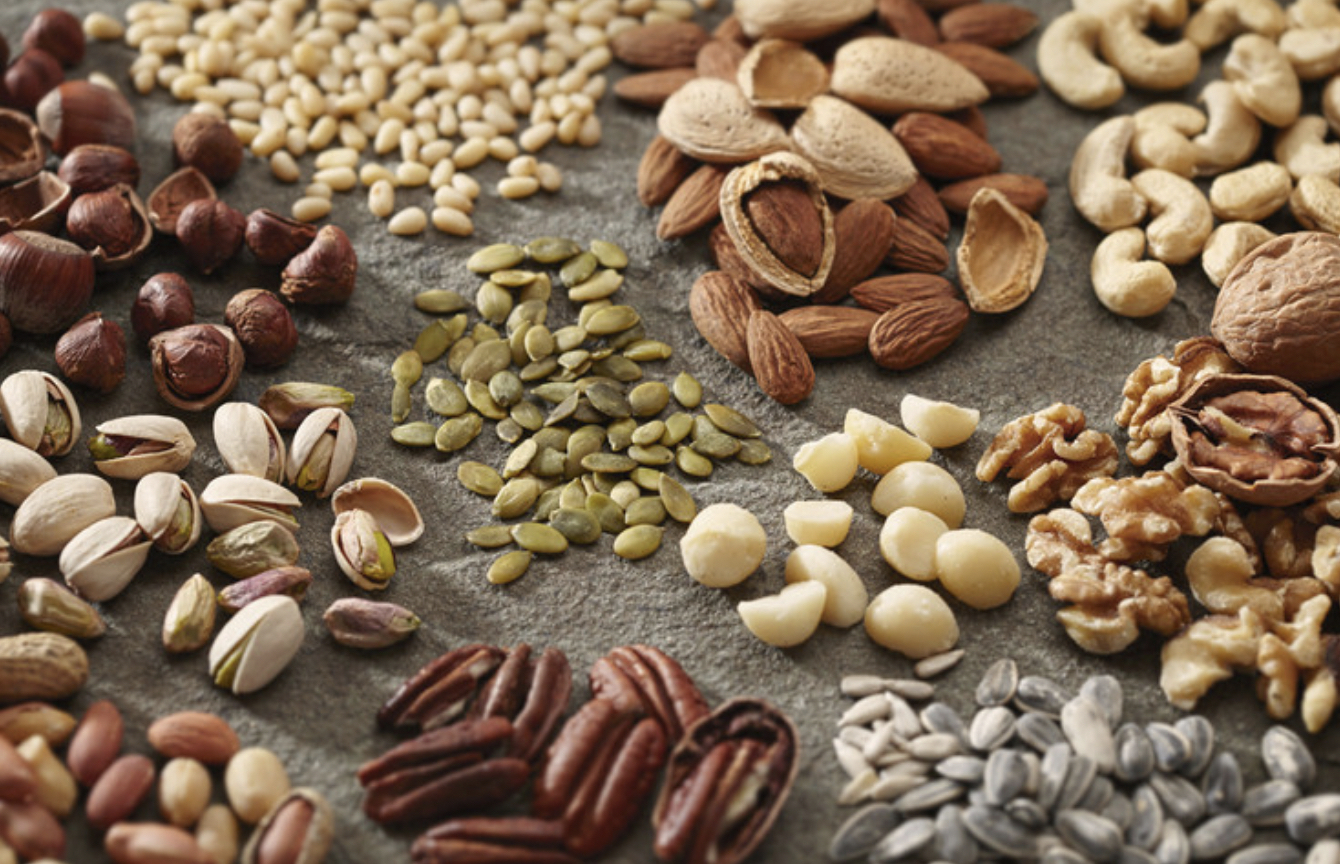
Zinc: Oysters, lobster, crab, clams, fortified whole grain cereals, beans (legumes such as lentils, chick peas, black-eyed peas, soy beans, kidney beans, limas, pintos), turkey, whole grains such as buckwheat, whole wheat, cracked wheat (bulgur), oats, whole grain cornmeal, wild rice, yogurt, pine nuts, sunflower seeds, mixed nuts, peanuts. A zinc supplement of up to 75mg is recommended.
Selenium: Brazil nuts, seafood, organ meats.
Chromium: Grape juice is the highest source. Other foods include whole wheat bread, brewer’s yeast, orange juice.
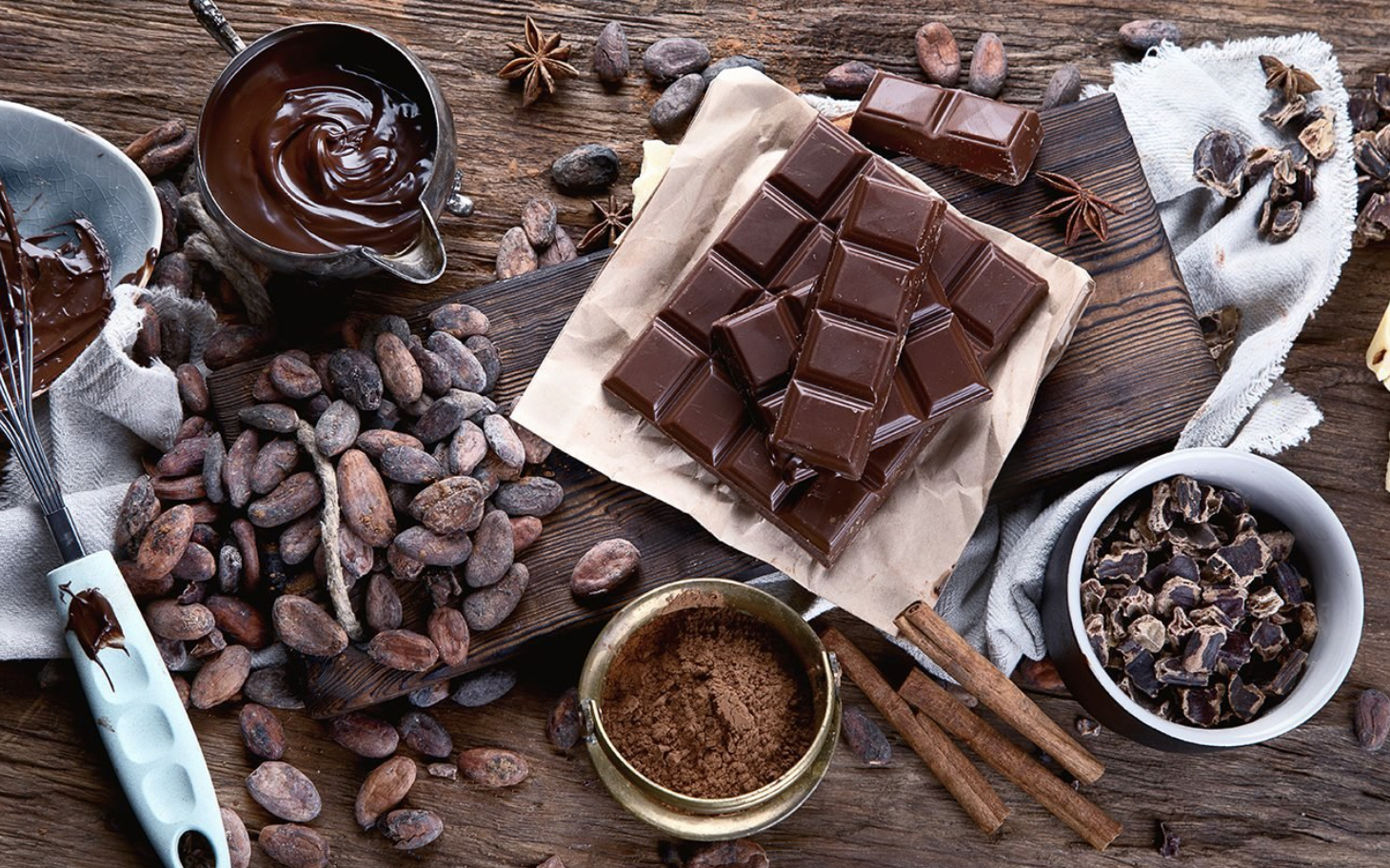
Polyphenols: This family of phytonutrients (“Phyto” is the Greek word for plants) includes berries, cocoa, nuts & seeds, tea, fresh olive oil (polyphenols are NOT present if olive oil is more than one year old and it isn’t handled as recommended).
Phytonutrients: The Mediterranean Diet is loaded with these bioactive plant nutrients with extraordinary health benefits. Phytonutrients were first discovered in the mid 1990s, with a landmark study published in the New England Journal of Medicine. The foods that provide antioxidants and anti-inflammatory compounds fight, and sometimes prevent, every chronic illness known to man, like cancer, heart disease, diabetes, and much much more. Think of oxidation as being similar to rusting. Another example is, when an apple slice is exposed to air, it turns brown. That’s oxidation. By simply adding lemon juice, an antioxidant, oxidation is prevented, and the fruit’s flesh doesn’t turn brown. Inflammation occurs when a wound swells up, turns red, and hurts. It’s your body healing, a sign that your antibody warrior cells are at work. Normally, the wound heals, your warrior cells are no longer needed, and you return to your normal health. But inflammation can become chronic and doesn’t always help the body. In some diseases the immune system fights against the body’s own cells by mistake, causing chronic and acute disease. Phytonutrients, vitamins, minerals, but mainly a healthy diet and lifestyle, can prevent chronic inflammation and prevent or arrest serious disease. Phytonutrients, or phytochemicals, are found in plants and are concentrated in colors, scents and flavors. Just one piece of fruit or vegetable has at least 200 phytonutrients. The darker the color, the more phytonutrients. The more intense the smell, or flavor, the higher the content. Examples of phytonutrients, besides polyphenols, are flavonoids, alkaloids, carotenoids, isoflavones, thiophenes, terpenoids, tannins, lignins, anthocyanins, resveratrol.
We’ve known for 70 years that the healthiest diet on the planet is plant based, with the prime example being the Mediterranean diet. What we’ve been studying and learning since it was first discovered in the 1950s by Harvard Scientist, Ancel Keys, is how, and why it is so remarkable and, how it protecs you against disease. At this point, the best recommendation is: to be as healthy as possible, eat predominantly fruits, vegetables, nuts, seeds, whole grains. They provide the highest level of vitamins, minerals, fiber, and phytonutrients. And the lowest amount of the baddies.
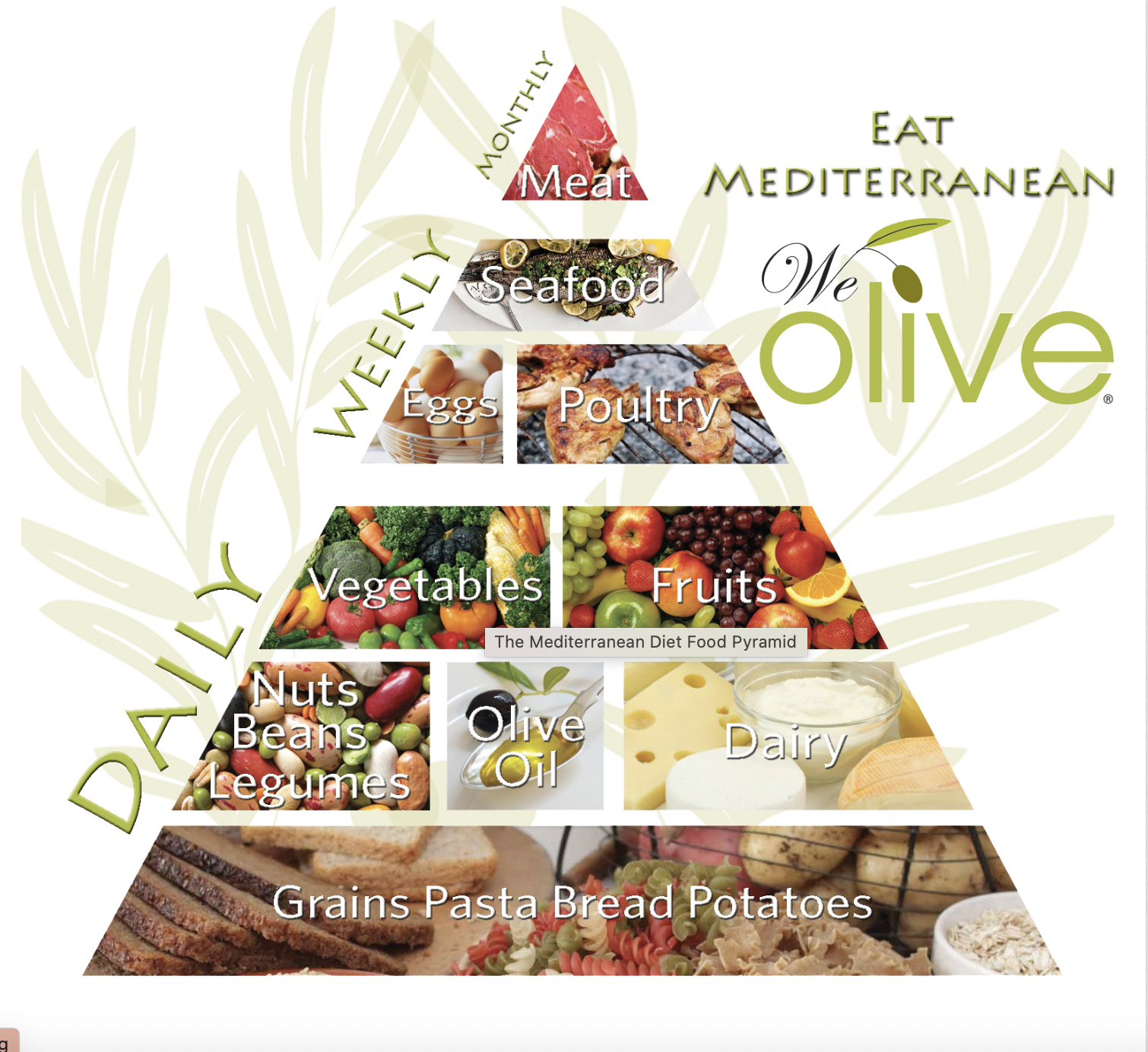
No need to drink wine or alcohol. Fruits and veggies will give you the same nutrients
While you can’t overdose on nutrients when you obtain them from foods, you can overdose with supplements. Always remember my “Goldilocks Rule.” Too much or too little can be damaging. “Just right” is the name of the game in nutrition.
Call me if you have questions!
The Perfect Storm: Battling the Blizzard Bloat Blues

These days you may have noticed a subtle expanding of yours and your friends’ waistlines. Take consolation in knowing you are not the only ones suffering from… “BLIZZARD BLOAT,” that creeping up of body fat that has hit many of us recently, according to an informal survey of frustrated, and slightly fatter colleagues and friends.

In the animal kingdom, fattening up for the cold winter months is critical for survival. For human animals, that leftover caveman-instinct to gorge on fattening foods, and hibernate, just causes trouble
Though these old instincts are plausible as a partial cause of winter weight gain, there are more complex—and controllable—causes too. The most important involve decreases in sunlight, physical activity, increases in cravings, and comfort eating. It’s the perfect storm of factors that create the calorie imbalance leading to blizzard bloat.
The Perfect Storm

- Physical Inactivity. When it’s cold outside, we tend to exercise less and even cut back on subtle calorie-burning activities such as short walks, light outdoor chores. This lack of calorie burning may only add up to about 100 fewer calories per day, but a deficit of 100 calories every day, translates to a 3-4 pound weight gain during the winter months, and 10 lbs in a year,
- Perpetual Darkness. Most of us are affected by winter’s gray days, and sunlight deprivation. We need light so our brains have enough of the neurochemical, Serotonin. A decrease in seratonin can increase our chances of experiencing a low mood, and food cravings. A small percentage of people are particularly vulnerable. About 5 percent of the population become markedly depressed with Seasonal Affective Disorder (SAD).

- Cravings for Warm Comfort Foods. Being light deprived, and hibernating inside instead of getting outside and moving, reduces the happy chemicals in your brain, like endorphins, and serotonin. This can lead to increased cravings of fattening food. Studies show excess calories contribute more significantly than any other factor to the calorie imbalance causing blizzard bloat.
Strategies for Battling the Blizzard Bloat Blues
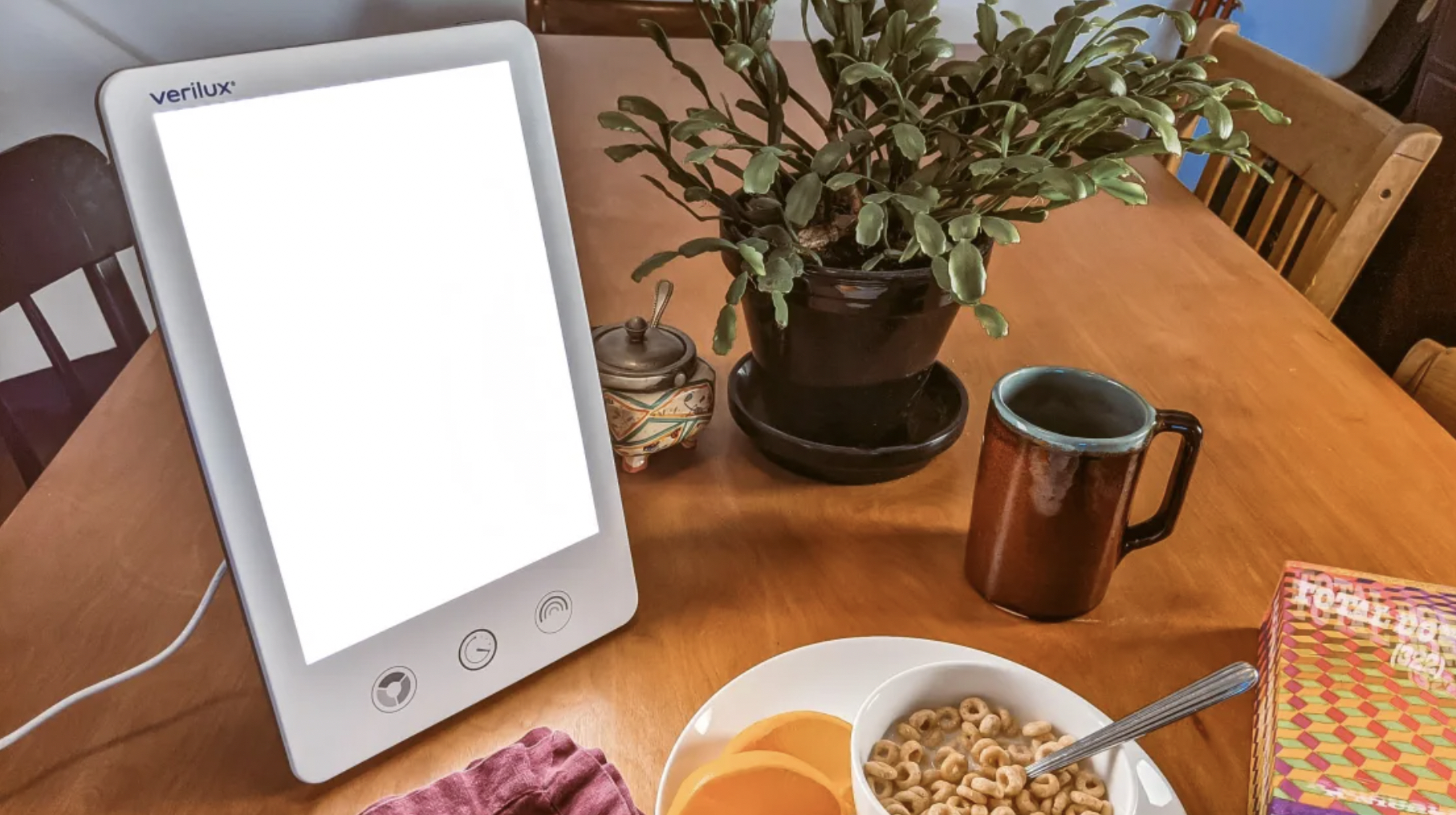
- Get some daily sunshine. You’ll feel refreshed and less bored if you walk outside, and your appetite may be more controllable. The amount of needed daylight varies for each individual. In general, the more the better. One hour daily in the morning, ideally at sunrise, is most helpful. If you’re not an early bird, several hours on the weekends may help make up for a lack of sun during the week. But the sun has to reach your eyes, so no sunglasses. If you don’t feel comfortable with the guidelines, or If going outside isn’t always an option, light therapy, also known as phototherapy, may help. Ask a mental health professional about the special lamps you can buy to make up for light deprivation. They work! Studies show they increase serotonin and help decrease depression in most people.

- Up your activity level. Just a little means a lot. During just one exercise bout (only 10 minutes), your brain releases the feel-good neurochemicals, endorphins and serotonin. They reduce pain, increase feelings of well-being, elevate your mood, and will help reduce cravings. If you’re regularly active, these benefits multiply. A brisk 30-minute walk – just as effective as running – three times a week relieves major depression just as effectively as an antidepressant in most adults. Of course, moving even more, gives you even more significant benefits.
- Hold on to your favorite dishes, just rearrange them a bit. In the winter, we tend to crave more fattening, warm, comfort foods, and fewer healthy cold foods, like salads. But your comfort foods don’t have to be fattening. My advice, which has been successful for me and my clients, is to continue eating your favorite foods, just change their balance slightly. It’s been well established that you can increase the volume and satisfaction of your meals and dishes – that is, you can eat more food for fewer calories – by simply incorporating veggies or fruits so they comprise at least 50% of the volume on your plate (eat them first to slow you down) or in your dish,
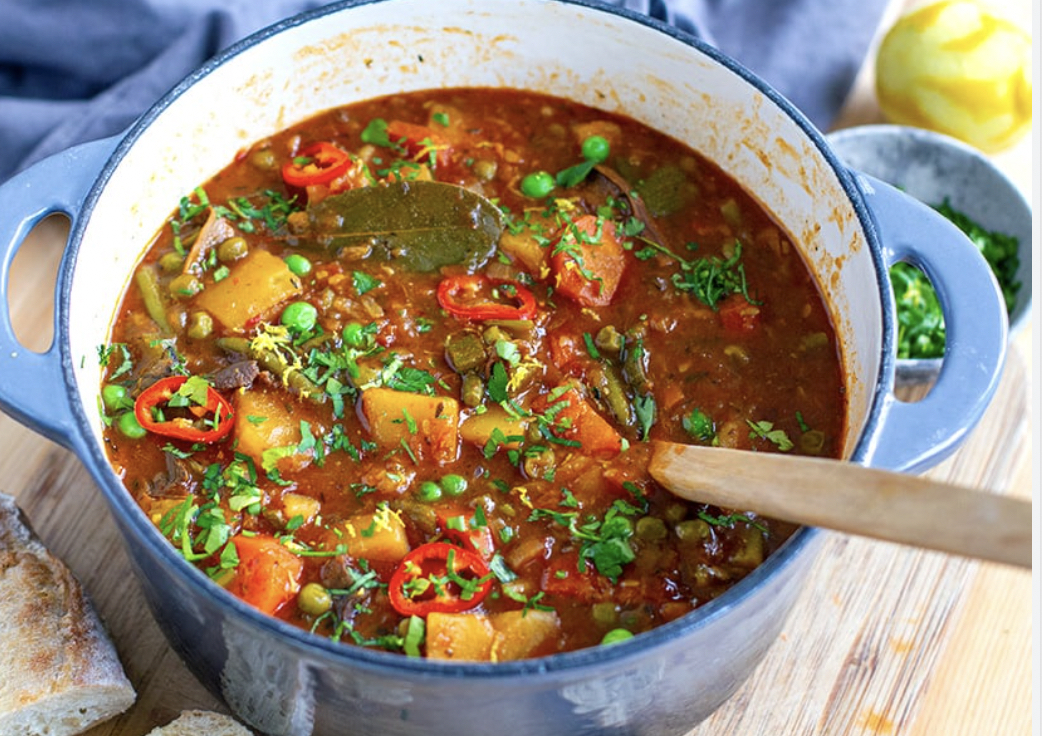
- Veggies and fruits are predominantly water. But because the water is incorporated into the food, as opposed to just a glass of water, the meal will empty from the stomach more slowly. The slower a food empties from the stomach, the more satisfied we are with it. With that in mind, all you have to do is incorporate water or broth into your main course to create a soup or stew, add veggies to a favorite stew or casserole, so that vegetables comprise half or more of the volume. Try having a simple veggie soup as a first course to any meal. Try this technique that makes veggies taste even better than French fries! These strategies – incorporating water, and adding fruits and/or veggies to your meals and dishes – allows you to enjoy your favorite foods. But it also means that you can eat more food for fewer calories. Studies show that, for each meal that you use this strategy, you save 100 calories, naturally – without even trying. That amounts to keeping off 10 lbs a year or preventing blizzard bloat. Try my sumptuous soup recipes to feel full, satisfied, but still keep calories under control.