Breakfast – The Most Important Meal of the Day: But WHY?
- At March 05, 2012
- By Katherine
- In News
 0
0
USDA Celebrates National School Breakfast Week
“Healthy, Hunger Free Kids Act” sets the table for a healthy start to school each day
WASHINGTON, March 5, 2012 – Agriculture Secretary Tom Vilsack today marked National School Breakfast Week (March 5-9) by emphasizing the administration’s commitment to provide schoolchildren with healthy, well-balanced meals to prepare them for a productive school day.
“Breakfast is the most important meal of the day because it helps keep kids alert and focused on learning,” said Vilsack. “Thanks to the Healthy, Hunger-Free Kids Act, we will be able to connect more eligible children with our school food programs and greatly improve the quality of meals served in schools.”
Breakfast is important for so many reasons…
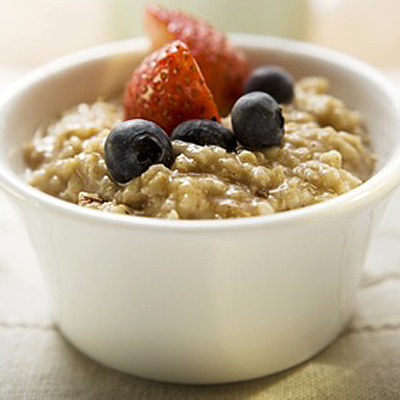
Katherine’s Deliciously Simple Oatmeal with Fruits and Nuts
The administration’s commitment to increase participation in the School Breakfast Program has drawn national attention to the effort to continuously improve the health and nutrition of America’s schoolchildren. To start each school day, the program gives more than 12 million children of all economic backgrounds a well-balanced, healthy meal consistent with the latest science and dietary guidelines.
“Participation in the School Breakfast Program is an important vehicle to meet the nutrition needs of children,” said Kevin Concannon, USDA Under Secretary for Food, Nutrition and Consumer Services. “Since President Obama signed the Healthy Hunger-Free Kids Act into law, USDA has worked with schools on innovative delivery strategies to meet the requirements for promoting the School Breakfast Program.”
In January, USDA unveiled new standards for school meals that will result in healthier meals for nearly 32 million kids that participate in school meal programs every school day. USDA built the new rule around recommendations from a panel of experts convened by the Institute of Medicine —a gold standard for evidence-based health analysis. The standards were also updated with key changes from the 2010 Dietary Guidelines for Americans – the Federal government’s benchmark for nutrition – and aimed to foster the kind of healthy changes at school that many parents are already trying to encourage at home, such as making sure that kids are offered both fruits and vegetables each day, more whole grains, and portion sizes and calorie counts designed to maintain a healthy weight.
The new standards are just one of five major components of the Healthy Hunger Free Kids Act, now implemented or under development, that will work together to reform school nutrition. In addition to the updated meal standards, unprecedented improvements to come include:
The ability to take nutrition standards beyond the lunchline for the first time ever, foods and beverages sold in vending machines and other venues on school campuses will also contribute to a healthy diet;
Increased funding for schools – an additional 6 cents a meal is the first real increase in 30 years – tied to strong performance in serving improved meals; Common-sense pricing standards for schools to ensure that revenues from non-Federal sources keep pace with the Federal commitment to healthy school meals and properly align with costs; and
Training and technical assistance to help schools achieve and monitor compliance.
USDA’s Food and Nutrition Service administers 15 nutrition assistance programs that, in addition to the Supplemental Nutrition Assistance Program and National School Lunch Program, also include the Special Supplemental Nutrition Program for Women, Infants and Children, and the Summer Food Service Program. Taken together, these programs comprise America’s nutrition safety net.
5 So-Called Health Foods You Should Avoid
- At March 02, 2012
- By Katherine
- In Articles, News
- 5
Featured on CNN’s Health Minute
Read it to find out why this article went VIRAL!
Recently published in LiveScience.com, published in “The Washington Post,” and broadcast on WOR Radio New York City…
Eating healthy can be harder than you think, thanks to an enterprising food industry that wants us to consume more than we need. That’s because our country’s agricultural system produces twice what most people require – 3,900 calories per person per day, according to the U.S. Department of Agriculture’s Economic Research Service. This encourages creative marketing to unload the excess, much of it made with cheap ingredients, having long shelf-lives, and minimal nutritional value – the kinds of “food” with the highest profit margins.
As a nutrition consultant, I know that words such as “low fat,” “high fiber,” “multigrain,” gluten free,” and “natural” can confuse even the most sophisticated customers into believing what they’re buying is healthful. In fact, market research proves it.
What can you do? First, make a habit of reading the ingredients list, not just the Nutrition Facts panel. And remember the following products worth resisting…
Reduced-fat peanut butter
The oil is the healthiest part of a peanut* or a tree nut, containing most of the nutrients, so there’s no advantage to taking it out. In fact, it’s worse because it robs the peanut butter of its health benefits. “Reduced-fat peanut butter has as many calories and more sugar than the regular,” says Bonnie Liebman, nutrition director for the Center for Science in the Public Interest.
Instead: Buy regular peanut butter. Eating one or two ounces of nuts daily is associated with reductions in heart disease and cancer risk. A recent Harvard study showed that eating nuts is associated with lower body weights.
Enhanced water
Sports drinks, diluted soft drinks with salt, are only needed during intense exercise exceeding one hour or in extreme heat. Drinks such as Vitaminwater (c) are essentially sugary drinks with a vitamin pill. They are “unequivocally harmful to health,” says Walter Willett, professor of epidemiology and nutrition at Harvard’s School of Public Health. “Whether vitamins dissolved in water have any benefit will depend on who you are and whether you are already getting enough. . . . Some people may be getting too much of some vitamins and minerals if they add vitamin water on top of fortified foods and other supplements.” A recent Iowa Women’s Health Study found an association between certain commonly used vitamin and mineral supplements and increased death rates. But the worst offenders in this category are energy drinks such as Red Bull, Sobe Life Water, or Monster Drinks. They’re not only high in sugar, but most contain stimulants which may be harmful, especially with medical conditions like high blood pressure.
Instead: Drink water, ideally from the tap (“Eau du Potomac,” as it’s known locally). It’s the best drink for hydrating your body, is naturally calorie-free and contains fluoride to prevent tooth decay. No supplement matches the nutrients in whole foods such as fruits, vegetables, nuts and whole grains.
Energy bars
The reputation of these bars, also known as meal replacement bars, is that they are healthy, aid in weight loss or help build muscle. In fact, they are calorie bombs: candy bars with vitamins, protein or fiber added. For most of them, sugar is either the first (predominant) or second ingredient.
Instead: Snack on fruit or veggies for weight loss and yogurt for muscle gain. If you’re hiking a long distance and want a healthful, nonperishable calorie bomb, try nuts and dried fruit.
Multigrain foods
Multigrain breads, crackers and cereals are often the most confusing foods. People see “multigrain” and think “whole grain.” That’s not necessarily so. This is an important distinction because people who eat whole grains have a lower incidence of diabetes, heart disease and cancers, and are less likely to be overweight compared with those who eat refined grains. Note that when “enriched wheat flour” is listed in the ingredients, that’s refined flour.
Instead: Be sure a whole grain, such as whole wheat, whole rye, whole oats or brown rice, is the first and preferably the only grain in the ingredient list. A great example is a cereal listing whole rolled oats as the only grain or a bread listing whole wheat as the only wheat. Alternatively, consider an egg for breakfast. “The huge amounts of refined starch and sugar that many people eat for breakfast, often thinking that this is the healthy choice, does far more damage to their well-being than an egg,” says Harvard’s Willett.
Non-fried chips and crackers
It’s easy to believe these foods are healthful because of labels such as “baked,” “low fat” or “gluten free.” But most are made with refined grain or starch, which provide plenty of calories and few nutrients. Popchips, for example, are a new product marketed as healthful. But the ingredients are highly refined potato flakes, starch, oil, salt and about 14 additional things. Pita chips, made with white flour, oil, salt and several more ingredients, are no better. To boot, research shows that too much refined grains and starches increases the risk for heart disease, cancers, diabetes and weight gain.
Instead: Try Wasa or Finn Crisp Original Rye crackers. They’re 100 percent whole grain and have little sodium. If you’d like a chip, try Terra Chips, made with sliced vegetables, or even a 100 percent whole grain chip fried in a healthy oil, such as olive or canola. Tortilla chips and SunChips are two examples. “Now that trans fats have been removed from most cooking oils, the healthiest part of potato chips is the fat,” Willett says. “And chips made of whole grains rather than potatoes, like Frito-Lay’s SunChips, can legitimately be considered a health food,” so long as you keep to the one-ounce serving size.
*Peanuts are technically a legume, but we call them nuts nutritionally because their nutritional characteristics and health benefits closely match those of tree nuts.
Find this article originally printed in The Washington Post February 28, 2012
Listen to me discuss “Health Foods You Should Avoid” on WOR 710 Talk Radio NYC “The Joan Hamburg Show”
A Selection of Robin Ellis’s Mediterranean Recipes
- At February 28, 2012
- By Katherine
- In News, Recipes
- 0

Robin "Poldark" Ellis with his new cookbook, which highlights the flavors of the Mediterranean
I’m completely charmed and impressed by Robin Ellis’ enthusiasm for his new healthy lifestyle; the Mediterranean lifestyle and diet I have adopted and a way of life I encourage everyone I know and love to embrace as well.
Ellis, a British star of stage and screen, was diagnosed with Type 2 Diabetes, and since then has been dedicated to a life of good health, but without deprivation. Based on Mediterranean cuisine – one of the healthiest in the world – Robin Ellis, in his book and blog, shares his lifetime collection of healthy recipes. Inside, you’ll find:
* Simple yet sublime recipes that work,
* Dishes that all the family can enjoy,
* Not a quick-fix diet but a way of eating for everyday life.
Some samples…
Salmon Fishcakes with a Sauce of Mustard and Dill
It’s like a crabcake – only with Salmon – delicious!

A Dish of Chicken and Leeks with Lemon

Spicy Chickpeas – Lightly Sauteed
Spatchcocked Chicken with Lemon and Bay Leaf

You Are Invited to a Cookbook-Signing Reception with Robin “Poldark” Ellis on March 7
- At February 28, 2012
- By Katherine
- In News
- 3

Please RSVP TODAY for the March 7 Robin Ellis book-signing and reception. Attendance is limited. See invitation and video montage below...
I have been completely charmed by actor, chef, and author Robin Ellis, his cookbook, website, and posts – and I believe you will be too. This is why I’m so pleased to ask you to join me, Nancy Taylor-Bubes, Robin Ellis, and his wife Meredith for a book-signing reception, celebrating the publishing of Ellis’s new Mediterranean cookbook. As you may know, the Mediterranean lifestyle and way of eating is one I heartily endorse!
Ellis is known worldwide as the swashbuckling Captain Ross Poldark, the lead character in the classic BBC series, “Poldark,” recently hailed as “a cure for your ‘Downton Abbey’ blues,” by Los Angeles Times media critic, Robert Lloyd, after viewing the series for the first time. I agree with Mr. Lloyd, only expect a LOT more action, excitement, and ribaldry! I’ve enjoyed watching the new DVD version of “Poldark,” available for the first time from Acorn Media, coincidentally a company close to my heart, as I have had the good fortune to conduct wellness programs with Acorn’s extraordinary staff (it’s a small world, isn’t it?).
For the past twenty years, Robin Ellis has lived in the south of France with his American wife, Meredith, and their menagerie of animals, where he has collected and tested recipes while becoming an accomplished chef. I feel so fortunate he is willing to share his time, his talents, and share a few stories about his life in the south of France with us. I hope you’ll join me, Nancy, the American Institute of Wine & Food, and Chef Janis McLean, in giving Robin and Meredith a warm American welcome!
YOU ARE INVITED
HOSTS: Nancy Taylor-Bubes and Katherine Tallmadge
CO-SPONSOR: The American Institute of Wine and Food
SPECIAL GUEST COOKING DEMONSTRATION BY: Executive Chef, Janis McLean, Bistrot Le Zinc
DATE & TIME: Wednesday, March 7, 2012; 6 – 8 pm
PLACE: Georgetown, Washington, D.C.
COST: $15.00 at the door, which provides you with a signed copy of Robin Ellis’s new cookbook
R.S.V.P. Katherine@KatherineTallmadge.com (and to receive more details)
DONATION: If you wish, you are invited to bring a dish from Robin Ellis’s cookbook or blog. When you send your RSVP, communicate your interest to bring a dish, and I will send you several recipes you could consider. You could also consider recipes on Robin’s website and the few examples on my website.
BOOKS: Provided by independently owned Bridge Street Books of Georgetown
SPACE IS LIMITED
Please RSVP no later than Tuesday, March 6
New York Times’ “Breakfast Sweets” Article Misleads Readers
- At February 23, 2012
- By Katherine
- In News
- 0

The Whole Story: Grains of Truth
- At February 17, 2012
- By Katherine
- In Articles, News
- 1
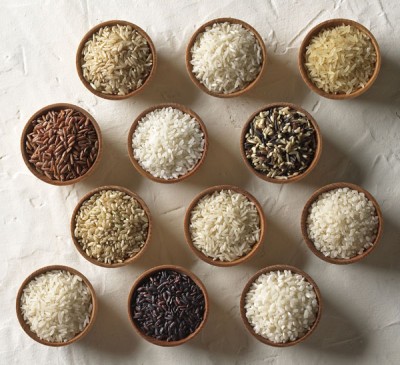
Photo: USA Rice Federation
In the world of nutrition there seems to be no shortage of complexity and confusion. But I’ve found that simple and straightforward solutions are often strikingly successful. In no area is this more true than the remarkable power of whole grains. Over the years, countless clients have struggled with various gastrointestinal complaints such as constipation, bloating, or irritable bowel syndrome. Many have come to me after trying costly medications, usually with little relief.
In most cases, symptoms disappeared once they began increasing their fiber intake by eating adequate amounts of whole-grain foods. Some of my clients even teasingly call these foods their wonder drug. But while it’s true that whole grains are valuable for their fiber content, their benefits are much more vast. Whole grains play a profound role in health. A growing body of research shows whole grains- wheat, oats, rice, rye and corn, for example may help keep body weight down and prevent diabetes, heart disease and some cancers.
The importance of whole grains in health came to light in the 19th century when refining grains became popular-and its negative consequences were learned. In Asia, chickens were cured of symptoms of a human illness called beriberi, characterized by muscle wasting and nerve degeneration, when they were fed the discarded part of polished white rice. It was later found that the parts discarded during the refining process contain the essential nutrient, thiamin (a B vitamin) necessary to prevent beriberi.
In 1975, researchers Dennis Burkitt and Hugh Trowell published a book of scientific observations comparing the diet of Africans eating their native whole grains versus North Americans and British eating their diet of highly refined carbohydrates. The researchers described for the first time the role that whole, unrefined foods play in reducing the incidence of coronary heart disease, diabetes and cancer. Since then, numerous other research studies have chronicled the effects of whole grains on human health.
A whole grain has three parts: bran, germ and endosperm. The bran and germ contain fiber, Vitamin E, B vitamins (thiamin, niacin, riboflavin and pantothenic acid) minerals (calcium, magnesium, potassium, phosphorous, sodium, selenium and iron), protein, essential oils, antioxidants and phytochemicals (plant substances that may protect health). The endosperm contains mostly starch with a little protein and very few nutrients. When a grain is refined, turning whole wheat flour into white flour or brown rice into white rice, only the nutrient-poor endosperm is left. The riches found in the bran and germ are lost.
Food manufacturers and producers attempt to make up for the loss in nutrients by enriching refined grains (those found in breads, pasta, rice and cereals, for instance) with some essential nutrients, such as B vitamins and iron. But overwhelming scientific evidence has found major health differences in people who eat more whole grains compared to people who eat refined grains, proving enrichment doesn’t make up for the difference:
* Whole grains are our major source of fiber. The grain’s outer layer (the bran) keeps us regular and prevents constipation, hemorrhoids, diverticulitis and reduces risk for ulcerative colitis (Crohn’s disease).
* Whole-grain intake is strongly correlated with reduced cardiovascular disease. This is partly explained by the soluble fiber in grains (oats, rye and barley have the highest levels), which is associated with cholesterol lowering. But other substances in grains, such as antioxidants like Vitamin E, also play a role.
* People who eat more whole grains also have lower body weights, according to epidemiological research. This is attributed to the fiber, which promotes feelings of fullness in foods that are generally low in calories.
* Many studies have shown a strong link between whole-grain intake and reduced incidence of type II diabetes. This may be partly because the fiber in whole grains slows down stomach emptying, causing a lower rise in blood glucose and insulin. Also, whole grains contain nutrients such as Vitamin E and magnesium, which may help improve insulin sensitivity.
* Whole grains may also help prevent cancers, especially of the intestinal tract and maybe even breast cancer. Several theories have been put forth explaining the mechanisms. For one, the fiber speeds intestinal transit, which reduces exposure to potential carcinogens. Also, antioxidants enter the circulation through colon cells, providing long-term antioxidant protection through the entire digestive tract, according to Joanne Slavin, a professor in the department of food science and nutrition at the University of Minnesota in St. Paul. Ninety percent of a grain’s antioxidants aren’t released until they get to the colon, the last stage of digestion, where they may provide maximum protection against cancer.
Interestingly, grains are still a mystery to researchers. They are so complex and full of a multitude of different compounds, scientists are largely unsure of what components of the grain are responsible for the benefits.
“We’re not sure if the benefits are from the fiber or the phytochemicals,” says Simin Liu, assistant professor of medicine and epidemiology at Harvard. “In my opinion, it’s the thousands of phytochemicals in whole grains which produce most of the benefits.”
To prove his point, Liu points to a four-year National Cancer Institute-funded study of high-fiber cereals in which wheat bran was added in the processing as opposed to naturally occurring in a whole grain. Researchers were surprised to find the high-bran diet did not prevent colon polyps, often a precursor to cancer.
“The data doesn’t support the claim that added bran fiber or fiber supplements make a positive difference in colon cancer, which is why I like to use the term ‘whole grain foods’ instead of fiber. The data only point to whole foods,” says Liu.
But while whole grains provide this wide array of health benefits, most Americans don’t take advantage of them.
“American adults eat six to seven servings of refined grains but only one serving of whole grains a day, with children eating less than one serving-well below U.S. Dietary Guideline recommendations of at least three servings,” says Slavin.
While science continues its search for the answers, I recommend you switch from refined grain products to whole-grain products. Instead of white bread or crackers, choose whole wheat, whole rye or whole grain breads and crackers. Instead of white pasta or white rice, choose whole wheat pasta or brown rice or cereals made with whole oats or whole corn. Try unusual grains such as bulgur (crushed whole wheat), whole wheat couscous or exotic grain-like substitutes such as quinoa and amaranth.
But looking for whole-grain foods in your supermarket can be challenging. Many “whole wheat” or “multi-grain” breads, for instance, are made predominantly of white flour, even though the label may say “wheat flour.” Be sure the first ingredient on the nutrition label of your pasta, cereal, crackers or bread is a “whole” grain such as whole wheat, whole oats or whole rye. Also look for a whole-grain product containing 3 or 4 grams of fiber per 1 ounce (28 grams) or per 80- to 100-calorie serving. That signifies that the grain is likely in its most natural state.
Grains contain about 80 – 100 calories, 15 grams carbohydrate, 3 grams protein and 1 gram fat per 1 ounce or 28 gram serving, which plumps to about1/2 cup if cooked.
The grain family includes barley, corn, millet, oats, rice, rye and wheat. Amaranth, buckwheat and quinoa belong to a different botanical family. But they all contain protein, B vitamins, minerals and fiber, as well as antioxidants such as lignans and phenolic acids.
Though grains such as corn, oats, rice, rye and wheat are relatively easy to find and cook, other of these healthful ingredients may require a search and some guidance before cooking.
Amaranth. This tiny seed, often found in health food stores, can be used to make flour or pasta. Or buy the seeds and add them to your bowl of cereal, rice or stir fries.
Barley. This versatile grain makes a great pilaf or risotto; use the cooked leftovers in salads, stir fries or tuna salad.
Buckwheat. The seeds of the plant are used to make buckwheat flour, the basis of blini. Buckwheat groats are the hulled and crushed kernels of the seed and are usually cooked in a manner similar to rice. When the groats are toasted, they are called kasha. Add buckwheat to soups, stew, meatloafs or hamburgers. Cook buckwheat grits for a hot breakfast cereal.
Bulgur (also spelled bulghur). Made from whole-wheat berries that are steamed, partially de-branned, dried and crushed or cracked, bulgur is available in coarse, medium and fine grinds. A staple of the Middle Eastern diet, it is seen on the lunch or dinner table, in salads such as tabbouleh or stews. It can also be cooked like a rice pilaf.
Millet. Cracked millet can be cooked like couscous; another variation, pearl millet, can be cooked like rice or a hot breakfast cereal. Millet flour is used in roti, and Indian flatbread.
Quinoa. Pronounced Keen-wah, this grainlike product, is often found in health food stores. The toasted grains have a delicious roasted flavor and can be added to vegetable dishes or rice. Quinoa flakes make a hearty breakfast.
Do You Need Gluten-Free?
- At February 16, 2012
- By Katherine
- In Articles, News
- 5
A jug of wine, NO loaf of bread, and thou?
See me explain how a gluten-free diet may do more harm than good on ABC-7
This article appeared in The Huffington Post
Hear me – and three other experts – discuss “The Gluten-Free Craze” on National Public Radio’s The Diane Rehm Show.
It’s all the rage right now; in fact, you may be thinking of going on a gluten-free diet. Before you do, here are some things to think about: First, you are likely to miss out on critical nutrients and health benefits only gained with gluten-containing whole grains.
Second, a gluten-free diet is a therapeutic diet for those with debilitating celiac disease, a serious auto-immune disorder which virtually destroys the intestinal tract. But celiac only affects about 1% of the population.
Third, the danger of self-diagnosing and taking gluten out of your diet prematurely is that you will would never be able to get an accurate diagnosis of your symptoms. An intestinal biopsy is the only way to detect celiac definitively.
People try a gluten-free diet because they are overweight, feel tired, bloated, and/or depressed, and find reducing gluten correlates with feeling better or losing weight. But that is more likely because they’ve cut out excess calories found in many flour-based snack foods and they mistakenly attribute feeling better to taking out the gluten. So, before you rush into a gluten-free diet, why not try something simple, say, an apple… or exercise? Or would you prefer a life of no bread, pasta or birthday cakes? It’s a tough row to hoe, and I’m here if you need me, as studies have found gluten-free diets can be seriously nutrient-deficient, low in fiber, iron, folate, niacin, thiamine, riboflavin, calcium, B12, phosphorus, and zinc. That’s because so many “gluten-free” products are made with refined, unenriched grains and starches, which contain plenty of calories, but very few vitamins and minerals.
The new gluten-free industry is making millions from Americans’ desperation to feel better. There has been an explosion of gluten-free junk foods, and I hope you don’t become a victim.
But I have great news… many clients have thought they might need a gluten-free diet, but when we worked together at improving their nutrition and life balance, symptoms vanished! Perhaps that could be you?
If you take the following steps and find you do need a gluten-free diet, it can fill all your nutritional requirements, but only if done CAREFULLY…
Do You Need A Gluten-Free Diet? A Step-by-Step Guide
1. Have a complete check-up with your family physician,
2. Consult with appropriate specialists, such as an allergist for wheat allergy and a gastroenterologist for celiac or another GI disease,
A. If you have a wheat allergy, you must avoid wheat, but you do not have to avoid gluten from other grains,
B. If you have celiac disease, you must avoid gluten – even the tiniest amounts (you must be eating gluten for the diagnosis to be made),
3. If you do not have a wheat allergy or celiac, visit a registered dietitian to verify that you are eating a balanced diet with plenty of nutrient-dense, naturally fiber-rich foods and adequate physical activity. A healthy diet and lifestyle reduces negative gastrointestinal symptoms, inflammation, boosts the immune system, improves brain function, reduces depression, and anxiety. If you are overweight, lose weight, as body fat can be toxic and produces hormones and pro-inflammatory chemicals which regulate metabolism, the immune system, inflammation, and the progression of artery hardening, so that when you have less body fat, you get many biological benefits, and feel better,
4. If symptoms persist, though in most cases they do not, you may be one of the rare people who are “gluten sensitive,” though hopefully not, as it’s a tough life. To confirm the diagnosis, and if a gluten-free diet is absolutely necessary for you – even though a gastroenterologist has verified you do not have celiac disease – visit your gastroenterologist, or the University of Maryland’s “Center for Celiac Research,” where they specialize in, among other things, detecting “gluten sensitivity,” which may be a newly identified disorder.
What is Gluten?
Gluten is a protein in wheat and some other grains, such as rye and barley. A gluten experiment in Food Science at the University of Maryland left a lasting impression on me about the function and importance of gluten. I kneaded bread dough under flowing water. As I kneaded the dough, the starch slowly washed away. What remained was a rubbery mass – the gluten – the protein in wheat which gives bread its structure.
Gluten-Containing Foods
Barley, Bulgur, Cereal Binding, Couscous, Durum, Einkorn, Emmer, Filler, Farro, Graham Flour, Kamut, Malt, Malt Extract, Malt Flavoring, Malt Syrup, Oats which are not labeled “Gluten-Free” because they have been contaminated by gluten in the field or in the processing plant, Rye, Semolina, Spelt, Triticale, Wheat, Wheat Bran, Wheat Germ, Wheat Starch, and others…
Naturally Gluten-Free Whole Grains
Brown Rice, Whole Corn, Gluten-Free Oats, Millet, Teff, Sorghum, Wild Rice, Buckwheat, Amaranth, and Quinoa.
Wheat Allergy
WA is an adverse immunologic reaction to wheat proteins, a classic food allergy affecting the skin, gastrointestinal tract or respiratory tract.*
Celiac Disease
CD is an immune-mediated enteropathy (intestinal disease) triggered by the ingestion of gluten in susceptible individuals. The onset of symptoms is usually gradual and characterized by a time lag of months or years after gluten introduction.*
Gluten Sensitivity
When both allergic (WA) and autoimmune mechanisms (CD) have been ruled out (diagnosis by exclusion criteria), individuals who experience distress when ingesting gluten may be considered as having GS.*
*“Spectrum of gluten-related disorders: consensus on new nomenclature and classification,” BMC Medicine 2012, 10:13 doi:10.1186/1741-7015-10-13; Sapone, Bai, Ciacci, Dolinsek, Green, Hadjivassiliou, Kaukinen, Rostami, Sander, Schumann, Ullrich, Villalta, Volta, Catassi, Fasano.
It is critical that you are examined by a gastroenterologist before switching to a Gluten-Free diet.
Why? Once you eliminate gluten, it is virtually impossible to diagnose celiac, and the diagnosis of celiac, an extremely serious auto-immune disorder, should be your primary concern.
My Favorite Gluten-Free Guides
“Gluten-Free Diet: A Comprehensive Resource Guide” by Shelley Case, R.D.*
“Easy Gluten-Free” by Tricia Thompson, M.S., R.D. and Marlisa Brown, M.S., R.D.*
“Gluten-Free, Hassle Free” by Marlisa Brown, R.D., C.D.E.*
*Anyone giving gluten-free dietary advice should be a registered dietitian, and have the “R.D.” after their name.
Don’t forget, Diet Simple is filled with recipes, including some marked “Gluten-Free!”
Hear me – and three other experts – discuss
“The Gluten-Free Craze” on National Public Radio’s The Diane Rehm Show.

See me explain how a gluten-free diet may do more harm than good on ABC-7
First Lady Michelle Obama Launches Communities on the Move Video Contest
- At February 11, 2012
- By Katherine
- In News
- 0

Katherine teaching D.C. public school children at the Capital Harvest on the Plaza Farm Market
What do you think of the First Lady’s Let’s Move! Program? Let me know below in “comments.”
Today, First Lady Michelle Obama highlighted the second anniversary of Let’s Move! by announcing the Communities on the Move video challenge and inviting faith-based, community, and other non-profit organizations to create inspiring videos about their efforts to reverse the trend of childhood obesity. The challenge will recognize community efforts that promote healthy lifestyles for kids by encouraging nutritious eating through USDA’s MyPlate icon, increasing physical activity, and/or ensuring access to healthy, affordable foods.
“America’s faith communities play a crucial role in guiding and strengthening not only our spiritual health, but our emotional and physical health as well,” said First Lady Michelle Obama. “Over the past two years, I’ve been inspired by all of the faith leaders and congregations who have taken action to get active and eat healthier, and so we’re launching our Let’s Move! video contest to highlight some of the best examples. I know there’s so much incredible work being done – and I can’t wait to hear some of these stories first-hand at the White House.”
The Communities on the Move video challenge is a part of Let’s Move Faith and Communities,launched by First Lady Michelle Obama to engage faith-based and community organizations inLet’s Move! to raise a healthier generation of kids. As trusted community leaders, faith and neighborhood organizations are well positioned to initiate and coordinate activities that encourage healthy living. The challenge will recognize organizations empowering families, congregations, and communities to make better choices to improve the health of our nation’s children.
Videos should be between one to three minutes long, have a clear connection to Let’s Move!, and describe how the organization entering has worked to improve the wellness of children. The organization may operate at the national or local level. Videos must focus on topics in one or more of three areas of interest: (1) healthy eating, (2) physical activity, and/or (3) access to healthy, affordable food. At some point in the video, the video must direct viewers to www.letsmove.gov for more information. For more guidance about the areas of interest, view the MyPlate Community Toolkit available at the Resources section of http://communities.challenge.gov.
There will be two winning entries selected – a First Prize winner judged by a panel of experts from Let’s Move!, the Department of Agriculture and the Department of Health and Human Services, and a Popular Choice winner selected through public voting. Both winners will be invited to Washington, D.C. for a Let’s Move! event where they will have a special opportunity to showcase their video. They each will receive an award of $1000 to defray travel costs. In addition, up to seven Honorable Mention winners will be selected by our same panel of experts and invited to Washington, DC as well. All the winners will have their videos featured on theLet’s Move! website.
Winners will be announced in June 2012. For more details on the video challenge, go tohttp://communities.challenge.gov.
Has First Lady Michelle Obama’s Let’s Move! Program impacted you or your family? Let me know in “comments” below…
A Chocolate A Day? Health Benefits of Chocolate De-Mystified
- At February 11, 2012
- By Katherine
- In Articles, News
- 6

Is it true that a chocolate a day will keep the doctor away? That’s what many chocolate companies would like you to believe in their Valentine’s Day advertisements. While it looks like cocoa has many health benefits, the chocolates you buy from your local stores may impart little of those benefits.
Are you celebrating Valentine’s Day with chocolate? Do you care about chocolate’s health benefits? Tell me about it below in my “Comments” section.
The cacao bean, grown mainly in Latin America, Africa and Asia, is loaded with beneficial compounds. In fact, its early uses, dating back 3,000 years were mainly medicinal. They have ranged from curing fatigue, angina, constipation, dental problems (tartar removal), dysentery, gout, an “overheated” heart, skin eruptions, fevers, and seizures. One doctor in the 1500s found it made people “extraordinarily fat” if used frequently and so it was prescribed for the thin and weak, according to an article in The Journal of Nutrition. It has been highly prized for centuries, which is reflected in its scientific name, Theobroma cacao, meaning “Food of the Gods.”
Eurpoeans discovered cocoa in the 1500s and over the next few centuries, chocolate, which we know and love so well was born. In this century, chocolate (processed cocoa with added fat, milk and sugar) has been enjoyed for its melt-in-your mouth texture and flavor, with its health giving properties largely forgotten by the civilized world, until recently.
In 1997, Harvard professor Norman K. Hollenberg published a landmark epidemiological study focused on cocoa. He found that high blood pressure was a rarity among Panama’s Kuna Indians who also didn’t experience the typical age-related increases. He at first attributed it to genetic protection. But, when the Kunas migrated to Panama City, their blood pressure increased, pointing to an environmental cause. Upon examination, Hollenberg found the Kunas drank large amounts of indigenous, unprocessed cocoa. Subsequent experiments conducted by Hollenberg and others, have found that cocoa, if high in flavanols, the beneficial plant compounds scientists believe impart most of cocoa’s benefits, relaxes the blood vessels, an important protection against hypertension and heart disease.
In the past ten years, cocoa research has intensified, mainly due to the largess of companies like Mars, Inc, most famous for Milky Ways and M&Ms. What’s striking is that candy companies, such as Mars and Nestle’s, have hired respected nutrition scientists and have been largely responsible for the advancement of cocoa research. Mars has collaborated with such institutions as Harvard, the University of California at Davis, and even the United States Department of Agriculture’s Agricultural Research Service. Through their research and others, many interesting discoveries about cocoa’s health benefits have been made.
The flavanols in cocoa help maintain a healthy vascular system, relax blood vessels, they reduce blood clotting – an aspirin-like affect –reduce oxidative damage, and improve blood flow. A study in the American Journal of Clinical Nutrition found cocoa also reduces inflammation. All of which reduces heart disease risk.
There have been some suggestion that flavanols can be used to treat vascular diseases like dementia, pre-eclampsia in pregnant women, and anything related to blood flow. Emerging research is looking into cancer as well.
But what about that chocolate bar in your vending machine? Are there any health benefits there? The answer: probably not much.
Most research about chocolate’s health benefits have used unsweetened cocoa or specially formulated high-flavanol chocolate. Unfortunately, these compounds are rarely in the chocolate we eat in 21st century America. Flavanols impart a bitter taste so they’ve been removed from most popular products to improve their flavor.
Most of the flavanols are in the cocoa beans and the level decreases with each processing step when it goes from the bean, to the cocoa powder and ultimately a finished chocolate product.
Since flavanols and their health benefits are a new discovery, chocolate companies are just beginning to see if there are ways to keep flavanols consistently high, but still have a tasty, popular product.
Katherine’s Chocolate-for-Health Tips
If you’re eating chocolate for health benefits, try my Dark Chocolate-Dipped Fruit recipe, for one, and be very discriminating in your selections.
You’ll get more flavanols, and therefore health benefits, with less processing. The first choice is cocoa, which isn’t Dutch processed – as when cocoa is “Dutch processed with alkali” the flavanols are reduced. Look for chocolate which has the highest percentage of cocoa as possible and to save calories, look for chocolate with lower fat and sugar levels. In general, cocoa is your best first choice. Second choice is a semisweet or bittersweet chocolate with a high cocoa percentage. Some chocolates go as high as 85% cocoa, but legally can be as low as 35%. I recommend no more than an ounce a day, which may be about 110 – 150 calories, depending on the chocolate. Any more than that and you’re probably going to take in too many calories for weight control.
The numbers:
Type of Chocolate Mg Flavonols Calories
1.3 oz Dark Chocolate Bars, Average*: 82 mg 187
1.3 oz Milk Chocolate Bars, Average*: 42 mg 198
1 TBSP Unsweetened Cocoa Powder, Average*: 75 mg 12
*USDA’s Nutrient Data Laboratory
Use this incredible chocolate fondue recipe for berries, sliced pears, bananas, or any favorite fruit!
Katherine’s Hot Cocoa:
1 tsp or 1 Tbsp unsweetened cocoa, to taste
1 tsp or 1 Tbsp honey
1 cup Skim Milk or 1% Milk or Soy Milk
Heat in microwave for 2 – 3 minutes and stir to blend the chocolate.
Using 1 teaspoon of cocoa and sugar, contains approximately 25 mg flavanols and 115 calories (zero saturated fat), depending on the milk used.
Using 1 Tablespoon of cocoa and sugar, contains approximately 75 mg flavanols and 153 calories
Are you interested in chocolate’s health benefits? How much chocolate do you eat? Let me know in my “comments” section below…
The Power of Chocolate at the Smithsonian This Weekend
- At February 11, 2012
- By Katherine
- In News
- 3

Discover Chocolate’s Rich History in the Americas Through Hands-On Demonstrations and Special Lectures
at the Annual “Power of Chocolate” Festival at the Smithsonian’s National Museum of the American Indian
WHAT: Explore the
rich
history
of
chocolate
and
the
world of
cacao
through
a
series
of
performances,
tastings,
demonstrations
and
family
activities.
Enjoy
hands‐on
chocolate‐making
demonstrations
and
uncover
the
historical
uses
of
cacao
and
modern
day
health
benefits.
WHEN:
Saturday, February 11 10 am to 4:30 pm
and
Sunday, February 12, 10 am to 4:30 pm
WHERE:
Smithsonian
National
Museum
of
the
American
Indian,
Potomac
Atrium
and
Rasmuson
Theater,
4th
Street
and
Independence
Avenue
SW,
Washington,
DC
SCHEDULE OF EVENTS:
10:30
a.m.–12:30
p.m.
and
1:30
p.m.–4:30
p.m.,
Potomac
Atrium,
Hands On
Activity:
From
Bean
to
Beverage.
Grind
your
own
cacao
nibs,
froth
the
cacao,
and
explore
the
spices
used
to
create
traditional
drinking chocolate.
Chocolate Talk:
2:00
p.m.,
Rasmuson
Theater, “The
Health
Benefits
of
Chocolate,” an
illustrated
overview
of
some
of
the
historical
uses
of
cacao,
as
well
as
the
latest
scientific
research
on chocolate,
cocoa,
and
cocoa
flavanols
Are you interested in the health benefits of chocolate? Tell me in my “comments” section below…