ABC Primetime News Special: Celebrity Weight Loss
- At January 01, 2011
- By Katherine
- In Articles, News
 0
0

Katherine explains on ABC’s Primetime News Special, “Celebrity Weight Loss: What Really Happens” Why… For Your 2011 New Year’s Resolution, do yourself a HUGE favor… Just Say NO…. NO MORE DIETS!
Don’t be a sucker for the endless, unrealistic promises of these SMUT purveyors! Yes, you heard the usually mild-mannered Katherine Tallmadge correctly….
I hate fanatical diet programs! They take the joy out of eating. Heck, they take the joy out of living! And the research is pretty clear by now that too-tough diets simply don’t work for most people. Even if you lose weight initially, you’re going to get bored or frustrated with all the restrictions and gain your weight back. Or maybe the diet is just too darn unhealthy to stay on.
So if you ever see a diet which emphasizes eating a very low carbohydrate diet or even an extremely low fat diet, or if it recommends packaged foods, liquid supplements or diet pills, I recommend you run – quickly! – in the other direction. Because it’s not something which can – or should – be maintained.
- A good diet is one you can follow for life. One which you enjoy. It’s a strategy which makes you feel energetic and comfortable.
- It’s a way of living which science has shown will enhance your health, the quality of your life, and possibly even extend your life.
- A good diet is one which works with your lifestyle, whether you’re a full-time mom, a high powered professional – or a combination thereof!
- Studies verify weight loss maintainers follow diets with flexibility and choice, ones which can fit into their lives.
I’m passionate about helping people solve their weight problems which saps them of health, energy and happiness. Let alone all of the horrible and preventable life-threatening and chronic diseases which inevitably occur, like heart disease, stroke, cancer and diabetes.
Though the problem of overweight and obesity is a large one and seems to be growing (two thirds of all adults and one out of three children), it’s a manageable and solvable problem. One of the reasons people struggle so much with their weight is they make the mistake of believing they need to do something radical to lose weight – like restricting your eating to cabbage soup for every meal, fasting, cutting out all carbohydrates, cutting out all fats, constantly figuring out percentages of this or that nutrient, going on a liquid diet, or taking unsafe diet pills and supplements.
The studies which analyze successful weight loss maintainers versus weight relapsers confirm the radical diets actually backfire. So don’t get seduced by their empty promises. Stop being a sucker! If the diet is too strict, punishing or depriving, it can’t last, and the weight is gained back. If those diets produce anything, it’s eating disorders, feelings of deprivation and depression, and demoralizing yo-yo’ing weight.
Instead, make your 2011 Resolution to start…
- A way of eating you’ll love, and will always satisfy your hunger and cravings,
- A joyful lifestyle you’ll want to keep forever.
Look for a way of eating and living which will give you…
- A greater sense of well-being, less anxiety and depression,
- Increased metabolism, so your body burns fat more quickly and efficiently,
- A heart working more efficiently, decreasing your risk of a heart attack,
- Lower blood pressure, lower cholesterol, lower blood glucose levels,
- A boosted immune system that cuts your risk of cancer, colds, flu and disease, Stronger bones and stronger muscles,
- Improved techniques for coping with daily stresses and strains of your busy life.
As a weight loss counselor, one of the most valuable lessons I’ve learned is that weight loss doesn’t have to be – and can’t be – a depressing, depriving, angst-ridden chore. I’ve witnessed the joy, surprise and relief of clients as they learned that losing weight the “Diet Simple” way is an easy and positive experience.
This Looks Healthy, But Is It?
- At December 27, 2010
- By Katherine
- In Articles, News
- 0
A restaurant meal may look like it’s good for you, but we had a lab count the actual calories. Here are the surprising numbers.
By Todd Kliman , Sara Levine , Ann Limpert

We set out to find out. We dispatched staff to pick up three-course meals from five restaurants, each with a different cuisine. Then we packed the food up in containers filled with dry ice and shipped it to a lab in Des Moines, Iowa, for burning—yes, burning—to measure its caloric content. We also had it tested for proteins, fats, and carbohydrates.
The results: Who knew that a three-course sushi dinner has more carbs than a three-course French dinner? Going out for Thai sounds like an excursion into light, bright cooking, but a meal at a Thai restaurant can be nearly as caloric as a certain New Orleans – Style restaurant. Note to all the lobbyists who chow down on the latter’s shrimp and grits and beignets several times a week: In one dinner you may be taking in more than a day’s worth of calories.
Lab results in hand, we invited two experts to help us make sense of the numbers. Walter Scheib, who as White House chef under Bill Clinton and George W. Bush was tasked with finding out the nutritional content for every meal he served to the First Family—and who went on diets with First Ladies—commented on each dish. Katherine Tallmadge, a DC nutritionist who has been a guest expert on TV shows from Food Network programs to Good Morning America, offered commentary and alternative recommendations for each meal.
Our hope is not that you’ll come away from this vowing to steer clear of these restaurants. Rather, we hope you’ll come away a wiser, healthier diner.
Menu
Vegetable Spring Rolls With Sweet-and-Sour Sauce
Roasted Duck With Red Curry Sauce, Side of White Rice
Thai Coconut Custard With Sweet Rice
Calories: 2,226
Carbs: 307 grams
Fat: 82 grams
Protein: 65 grams
Walter Scheib says: “[Spring rolls] are little grease sponges. But there are wonderful things called summer rolls, which are basically spring rolls that are fresher and lighter—and without the deep-fried part.”
“Thai desserts are based on rice and coconut. Go for sorbets or fruit ices—just not coconut ice cream, which is basically frozen butter. Ask if they’ve got a fresh mango with a squeeze of lime.”
“Most people think of Oriental cuisines as ‘light.’ When I worked at the White House, this is what Mrs. Clinton used to call gratuitous fat—fat in your food that you don’t necessarily see. You’ve got coconut milk, which is straight fat, and then the duck skin.”
What to get instead: Coconut milk is the biggest source of calories and fat on this diet-busting menu. Often you don’t even know it’s there. Instead look for dishes that get their flavor from citrus juices, spices, vinegars, and herbs.
Katherine Tallmadge, a Thai Restaurant regular, orders lemongrass soup, beef salad, and steamed whole fish: “If your main dish is a lot of food, you probably don’t want the extra rice. A cup is 200 calories.” If you’re going to have noodles, get cellophane noodles, made with mung beans instead of flour. And keep in mind that at many Asian restaurants, portions are served family-style and meant for sharing.
Photo: Washingtonian Magazine
New Study Finds Certain Foods Lead to Living Longer
- At December 22, 2010
- By Katherine
- In Articles, News
- 0
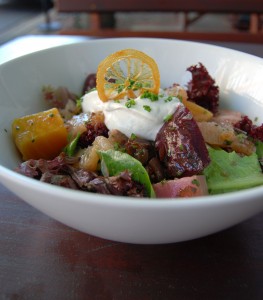 Eating Healthier Means Living Longer
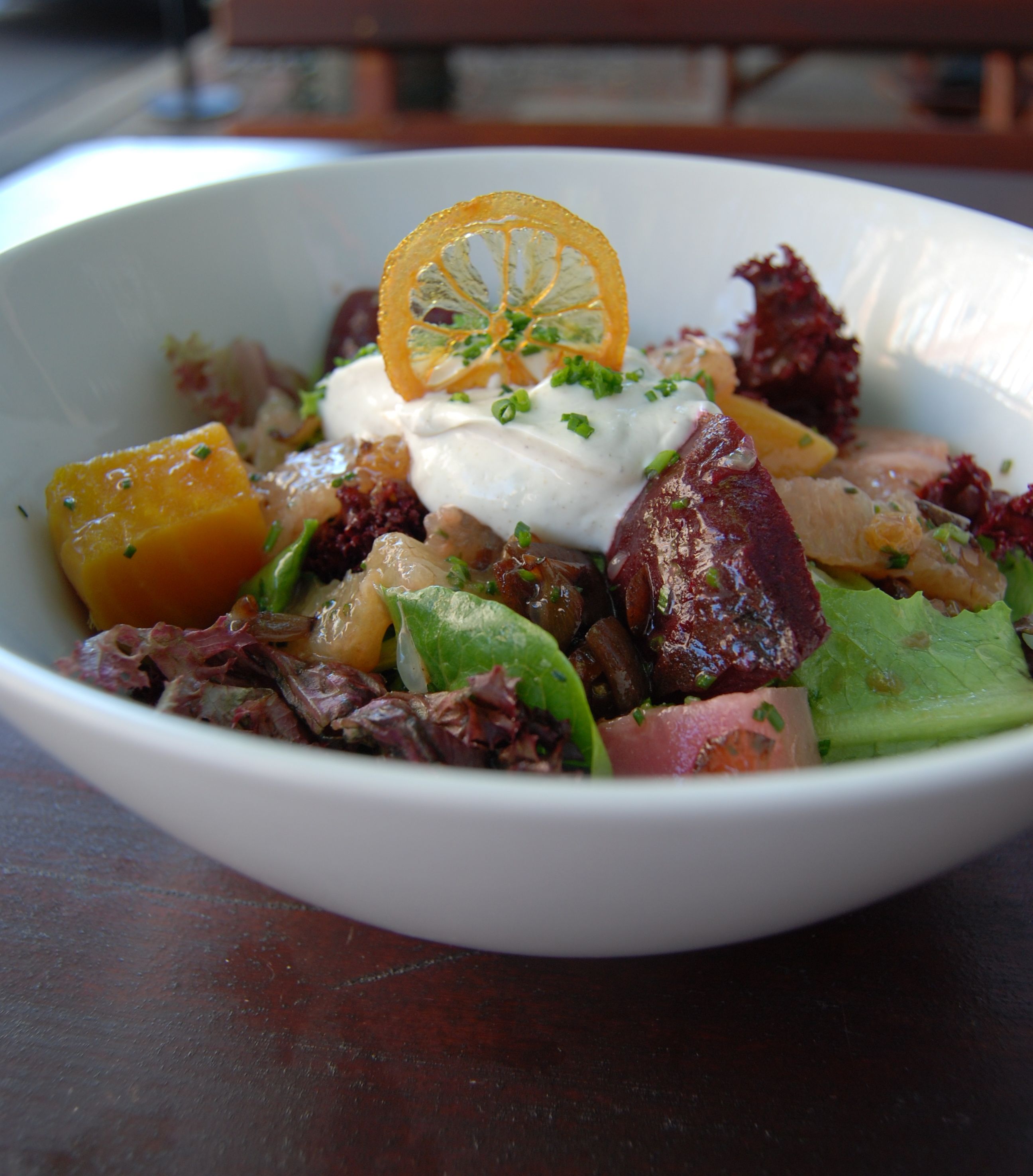
According to New Study in the Journal of the American Dietetic Association
Researchers found that diets favoring certain foods were associated with reduced mortality.
The leading causes of death have shifted from infectious diseases to chronic diseases such as cardiovascular disease and cancer. These illnesses may be affected by diet. In a study published in the January 2011 issue of the Journal of the American Dietetic Association, researchers found that diets favoring certain foods were associated with reduced mortality. Scientists investigated empirical data regarding the associations of dietary patterns with mortality through analysis of the eating patterns of over 2500 adults between the ages of 70 and 79 over a ten-year period.
By 2030, an estimated 973 million adults will be aged 65 or older worldwide. The objective of this study was to determine the dietary patterns of a large and diverse group of older adults, and to explore associations of these dietary patterns with survival over a 10-year period. A secondary goal was to evaluate participants’ quality of life and nutritional status according to their dietary patterns.
By determining the consumption frequency of 108 different food items, researchers were able to group the participants into six different clusters according to predominant food choices:
- “Healthy foods” (374 participants)
- “High-fat dairy products” (332)
- “Meat, fried foods, and alcohol” (693)
- “Breakfast cereal” (386)
- “Refined grains” (458)
- “Sweets and desserts” (339).
The “Healthy foods” cluster was characterized by relatively higher intake of low-fat dairy products, fruit, whole grains, poultry, fish, and vegetables, and lower consumption of meat, fried foods, sweets, high-calorie drinks, and added fat. The “High fat dairy products” cluster had higher intake of foods such as ice cream, cheese, and 2% and whole milk and yogurt, and lower intake of poultry, low-fat dairy products, rice, and pasta.
The study was unique in that it evaluated participants’ quality of life and nutritional status, through detailed biochemical measures, according to their dietary patterns. After controlling for gender, age, race, clinical site, education, physical activity, smoking, and total calorie intake, the “High-fat dairy products” cluster had a 40% higher risk of mortality than the “Healthy foods” cluster. The “Sweets and desserts” cluster had a 37% higher risk. No significant differences in risk of mortality were seen between the “Healthy foods” cluster and the “Breakfast cereal” or “Refined grains” clusters.
Photo by Polly Wiedmaier
# 1 THE SUNDAE SOLUTION
- At December 19, 2010
- By Katherine
- In Articles, News
- 0

Photo: CA Strawberry Commission
NOW it’s official: You can eat a chocolate sundae every day and still lose weight…
One of my clients, Jennie, almost always snacks in the afternoon. She view these snacks as ‘rewards” for getting through another day of drudgery. Of course, these same snacks contribute to her weight problem.
My advice to her (and I’m pretty proud of it ): Have a chocolate sundae every day.
I know this sounds strange, but here’s why it helps. The chocolate syrup that you pour over ice cream isn’t exactly lean, but that’s okay because underneath the chocolate – the sundae part – is fresh fruit instead of ice cream. Fruit is a lot better for you than ice cream, and the chocolate provides a slightly sinful incentive to make the switch seem worthwhile.
Almost any fruit works with chocolate syrup – strawberries, bananas, peaches, take your pick. Apart from the fact that a fruit sundae is deliciously fresh tasting, filling, satisfying, and low in saturated fat and calories, it makes a great substitute for other snacks that really load on the calories.
THE SUNDAE SOLUTION has been responsible for hundreds of people eating – and LOVING – more fruit. If you try it, you will too!
BOTTOM LINE: Lose 9 to 35 pounds
A tablespoon of regular chocolate syrup has about 50 calories. Pour it over fruit, and your total is about 110 to 160 calories. Compare that to the usual snacks – a candy bar or protein bar, for example, has about 250 calories, and an ice cream cone has about 500 – and you can see why substituting the fruit sundae can lead to impressive amounts of weight loss. Make the switch every day, and you can count on losing 9 to 35 pounds in a year.
Get more wonderful tips like this that will make your diet simple!
Click here to buy “Diet Simple,” the book
Diet Simple for Dogs?
- At December 18, 2010
- By Katherine
- In Articles, News
- 0
I found “Diet Simple” through a friend. I could have used the “Diet Simple” principles so long ago!
I never had a weight issue until college. I suppose it is a classic story. My metabolism changed and I was dealing with a whole different eating agenda, and – oh, the stress! I gained the freshman 15 and spent years trying to get rid of it.
Ever since then it has been a struggle. I’ve been on a constant weight roller-coaster; I’ve never felt in control but didn’t quite understand why. I read diet books and tried diets and they just sent the same old message: if I stop eating I’ll lose weight. It was so frustrating!
And then I found “Diet Simple” through a friend. I could have used the “Diet Simple” principles so long ago! I wish I had known about them sooner. I know I wouldn’t have struggled all those years. I was an athlete but I wasn’t eating right, This caused many injuries which I don’t think I would have had if I had been following this plan.
What’s wonderful about “Diet Simple” is that you can still enjoy eating good food. I have even used some of “Diet Simple’s” principles for my dog! He suddenly has a waistline and the vet is very pleased with his improved vigor and health. He no longer limps the way he used to.
Now I feel great, terrific. Better than I ever have!
I’ve given the book to all of my friends, definitely! I’ve given away at least 20 Diet Simples! Katherine is very inspiring and obviously committed to the concept of health and wanting to help people.
-Grace S., Washington, D.C.
Katherine Tallmadge explains to CNN why breakfast controls weight
- At December 14, 2010
- By Katherine
- In Articles, News
- 0
 “Diet Simple” contains 192 strategies for healthy weight loss. What’s one of the most effective, enjoyable, and simple changes you can make in your eating? Simple: Add breakfast to your day. Katherine explains to Washingtonian…
Also, CNN spoke with Katherine Tallmadge about breakfast. Here’s a part of that conversation.
What exactly is it about breakfast that makes it so beneficial? And are all are breakfasts created equal? A study from Pediatrics, published in March 2008, looked at 2,000 teenagers and found that teens who ate breakfast weighed less, exercised more and ate healthier food than their classmates who didn’t eat breakfast.
CNN: Explain the real benefits of eating breakfast. In your experience, have you seen among your patients the same results this study showed: that people who aren’t eating breakfast actually weigh more? How is that?
Tallmadge: In general, people who ate more in the beginning [of] the day ate fewer overall. As soon as you start eating, you start raising your metabolism; your whole body is burning calories earlier in the day. Helps control your appetite. People who skip breakfast — victims of vending machines. The pickers — they eat overall more calories, tend to eat more.
CNN: What about for the people who say, “I just don’t have time to eat breakfast”? What are your tips?
Tallmadge: Everyone has time to eat breakfast. If someone says they don’t, then they should be happy being fat and unhealthy… I apologize for the glib answer… but it’s TRUE!
Scientific studies confirm breakfast eaters get more nutrients for the whole day, are more likely to lose and maintain healthy weights, have more energy, concentrate better, and eat fewer overall calories during the day.
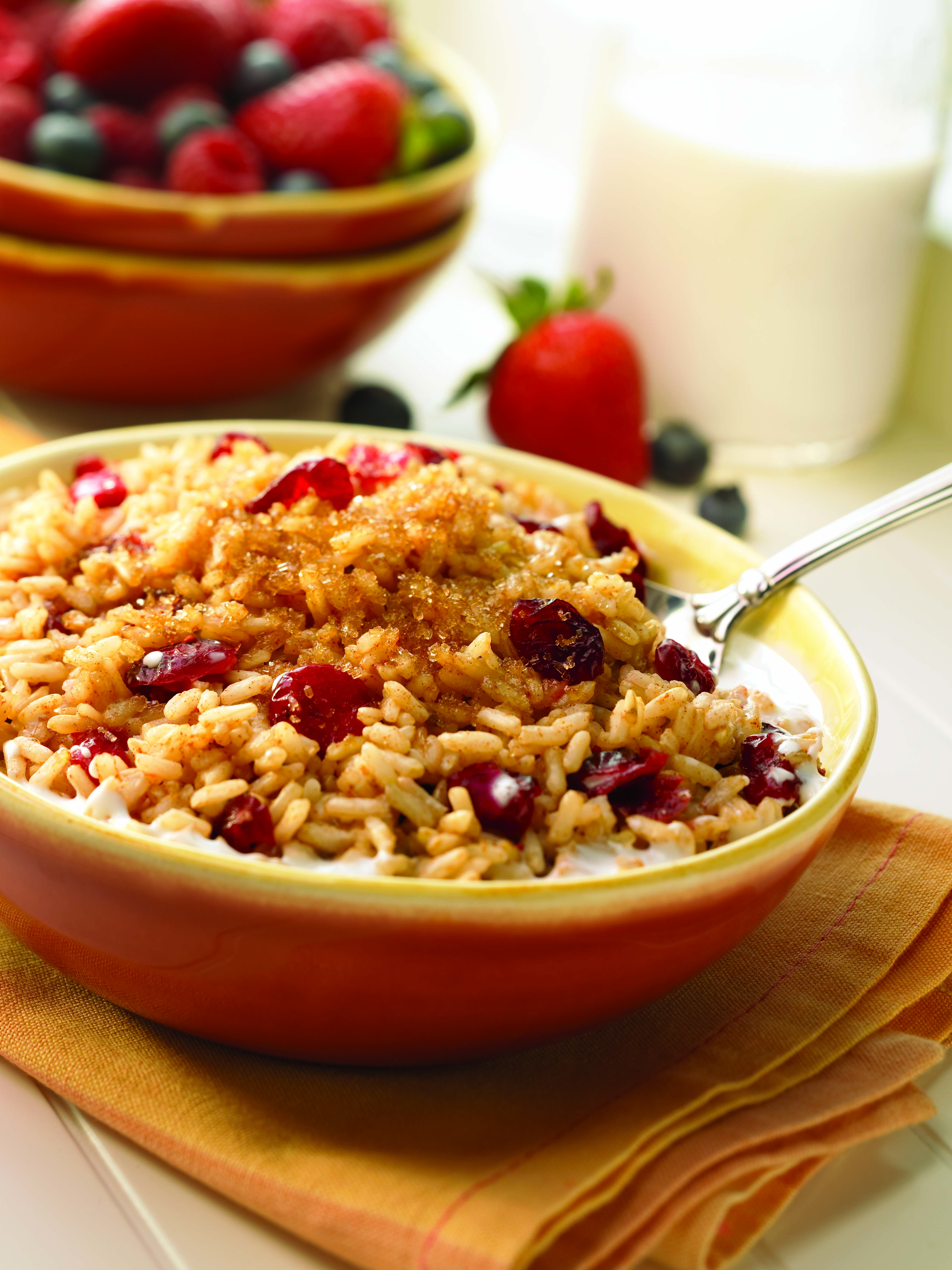
My favorite breakfast? a warm bowl of oatmeal cooked in milk with fruit and nuts… even a peanut butter sandwich with yogurt and fruit, or eggs on whole grain toast with spicy chicken sausage… Do you like lox on a whole grain bagel? How about whole grain blueberry pecan pancakes? All excellent choices… Bon Appetit!
Photo: USA Rice Federation