Honey & Brown Sugar Roasted Peaches
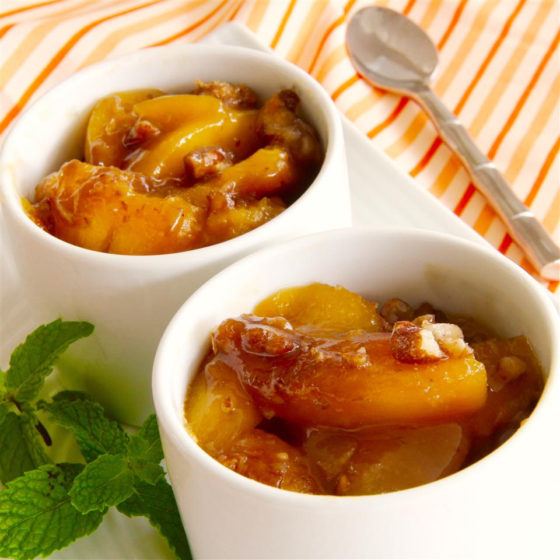
Lisa Yockelson’s Honey and Brown Sugar-Roasted Peaches
Excerpted from Diet Simple by Katherine Tallmadge
6 Servings
The juice-ripe peaches are sweetened with a mixture of brown sugar and honey, enriched with a little melted butter, and mellowed with vanilla extract and peach nectar. Enjoy the peaches as is, or with a dollop of vanilla yogurt or ice cream.
Unsalted butter, for the baking dish
6 firm but ripe medium peaches, halved and pits removed
2 Tablespoons firmly packed light brown sugar
2 Tablespoons mild honey, such as clover
2 Tablespoons unsalted butter, melted
1 teaspoon vanilla extract
1/3 cup peach nectar (or 2 Tablespoons more, as necessary)*
Preheat the oven to 400 degrees F. Adjust the oven rack to the lower third level slot. Lightly butter the bottom of a 12 to 14-inch non-reactive ovenproof baking dish.
Place the peaches rounded-side down (cut side up) in the dish. Combine the sugar, honey, melted butter, vanilla, and peach nectar in a small mixing bowl. Spoon the mixture over and about the peaches.
Roast the fruit for 20 minutes, or until gently softened (but not mushy), and the juices have lightly condensed. Begin checking on the fruit at 15 minutes; if the peaches are not juice enough on their own, they may not give off enough juice, so you may need to add 2 tablespoons more peach nectar at this time. Roast an additional 5 minutes, as necessary. You can also glaze the fruit under a broiler for a few seconds until the tops glisten. Serve the fruit warm.
*If you cannot find peach nectar or peach juice, apricot nectar can be used.
The recipe for this essence-of-summer fruit dessert comes from Lisa Yockelson, baking journalist and author of the award-winning BAKING BY FLAVOR (New York: John Wiley & Sons, Inc., 2002).
To Curb Cravings, Eat a Sweet at Every Meal
- At March 01, 2019
- By Katherine
- In Articles, News
 0
0
My client, Debbie, said sweet cravings were destroying her health and her weight loss attempts. She was “eating practically a box of chocolates every day” and couldn’t stop. And while chocolate fits into a healthy diet – I prescribe daily chocolate for my clients who need to gain weight – the amount she was eating was not helping her high cholesterol, her fatty liver, and was causing her weight to soar higher and higher.
What seemed like an impossible problem was a cinch to fix. All we did was add sweet foods to her routine. You see, your body craves a variety of flavors, textures, colors and shapes, preferably in each meal, to feel satisfied. If one of those flavors, such as sweet, is missing from your meal, you are less likely to feel satisfied and you will crave that missing flavor. Pay attention to your next large savory meal. Even if you are no longer hungry, you will probably crave sweets afterwards. If, on the other hand, you include fruit as a part of your meal, you will crave fewer sweets, which is something I advise in my book, Diet Simple.
Evolution created our drive for food variety, as it gave us more nutrients, allowing us to survive. Sweets were particularly important because they provided more calories to withstand frequent famines.
Simply make fruit a part of every meal and snack. You may be surprised at how your sweet cravings become more manageable. This technique works for my clients with excess sweet cravings, even for a recovering alcoholic who lived on sweets.
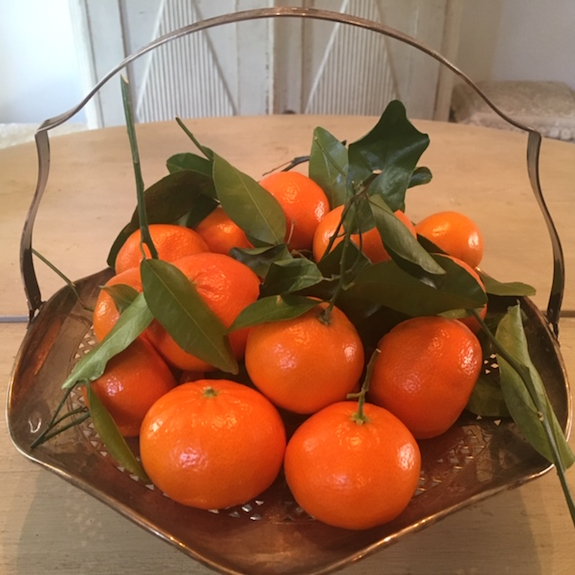
Will fruit take the place of chocolate? Well… No! At least not all the time. But will it reduce your cravings and allow you to be satisfied with a more reasonable and healthy amount? My experience says: Yes! Give it a try yourself. The mandarine oranges I recently purchased from Trader Joe’s really hit the spot for me, and allow me to enjoy a little chocolate, too.
Should YOU do a Detox? Katherine Interviewed by “My Fitness Pal”
- At January 12, 2019
- By Katherine
- In Articles, News
- 0

Detox with Katherine to make 2019 Your Happiest Year! Article by CASSIE SHORTSLEEVE FOR “MY FITNESS PAL”
Some excerpts from Cassie Shortsleeve’s “My Fitness Pal” article:
Katherine’s philosophy… “People often need to detox through the year for various reasons. I try to help them find a way that is sustainable and something they can return to over and over as the situation merits. Situations such as coming home from a vacation [which I personally am doing now], a lavish business trip or a holiday are often times when we eat more than usual and may not be able to be as physically active. The consequence is often weight gain,” said Katherine Tallmadge [Since returning from a vacation, I’m following my “detox” program, which YOU can do, too, in your own satisfying and personalized way].
“Recovering from slips is one of the hardest, but most important skills in maintaining healthy habits and weight-loss results…” said Tallmadge…
Continue reading Cassie Shortsleeve’s excellent article on “My Fitness Pal’s” Blog…
Katherine’s Weekly Batch Recipe: Roberto Donna’s Stuffed Shells with Ricotta & Roasted Eggplant
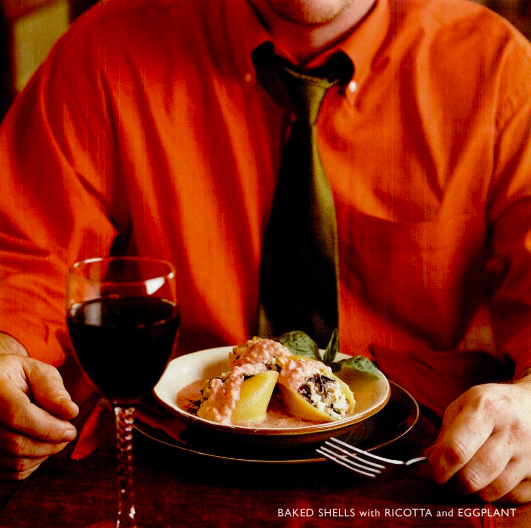
Enjoying Roberto Donna’s Stuffed Shells with Ricotta & Roasted Eggplant featured in my book, Diet Simple
My third weekly batch recipe, based on what you can find at your Farmers Market this weekend (Tomatoes, Eggplant, Garlic, maybe Basil, the Ricotta cheese, and something comparable to Parmesan – do some tastings!), is Roberto Donna’s Baked Shells with Ricotta and Eggplant. It is featured in my book, Diet Simple, and a gift from Washington’s most famous, James Beard Award-winning, Italian chef, Roberto Donna, currently Executive Chef at Al Dente Restaurant.
Batches are all about making the most of the time you spend in the kitchen and easing some stress from your life. I feature batch recipes in my books, Diet Simple and Diet Simple Farm to Table Recipes. Batches are your favorite delicious, quick and easy meals made ahead of time so that you always have something in the freezer or refrigerator, ready to eat, or serve for guests, on a moment’s notice. And, believe it or not, though it may take a little extra time to prepare the batches on the weekends, it actually saves time overall and calms the daily whirlwind of your life.
Roberto Donna’s Stuffed Shells with Ricotta and Roasted Eggplant
excerpted from “Diet Simple: 195 Mental Tricks, Substitutions, Habits & Inspirations”
This elegant dish, always a crowd pleaser, comes together quickly. Though it may be a little more complex than some of my other batches, it’s worth it! Using canned tomatoes and roasted peppers is perfectly fine in this recipe instead of using fresh, to save time. This unique Italian fare makes for an exquisite meal, or appetizer, minus loads of calories. And it can be refrigerated for use later, then re-heated easily with your microwave.
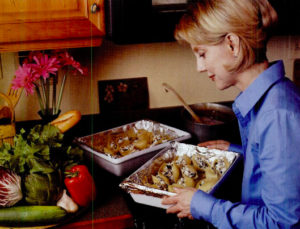
Katherine baking Roberto Donna’s Stuffed Shells with Ricotta & Roasted Eggplant, featured in her book, “Diet Simple”
Serves 4
8 oz. peeled and cubed eggplant, sprinkled with 1 Tbs. olive oil
8 oz. low-fat ricotta cheese
2 Tbs. capers, drained (optional)
Salt and freshly ground black pepper to taste
12 fresh basil leaves, chiffonade (place the basil leaves on top of each other so they’re in a pile, then slice diagonally in thin strips)
12 jumbo shells, cooked, drained and cooled (you may want to boil more than 12, as some fall apart)
2 Tbs. olive oil
4 Tbs. grated Parmesan, optional
Italian parsley leaves for garnish
Olive Oil Spray (optional)
Tomato Sauce (as an option, you can use a favorite commercial sauce):
1 1/2 cups canned plum tomatoes, or an equivalent amount of cooked fresh tomatoes
1/2 cup pureed tomatoes from a can, or an equivalent amount of cooked, pureed tomatoes
1/4 cup roasted, peeled, seeded red peppers (optional)
1 garlic clove, minced
4 tbsp grated Parmesan cheese, or an equivalent amount of a comparable cheese from the Farmers Market
Italian parsley leaves for garnish
1. Preheat oven to 450F,
2. Place eggplant cubes on nonstick baking sheet – if you use parchment paper on the pan, the eggplant will not stick. Roast about 15 minutes until crisp and golden. Remove from oven,
3. Mix Ricotta with the Parmesan cheese, capers, the and eggplant cubes in mixing bowl. Season with salt and pepper and 4 chiffonade basil leaves. Set aside,
4. Reduce oven temperature to 400F,
5. Cover baking dish with foil or parchment paper and spray with nonstick vegetable spray. Fill each shell with about 1 tablespoon ricotta cheese mixture, filling evenly among shells until used up. Place the shells on the baking dish. Brush tops of shells with 1 tablespoon olive oil (or spray with olive oil spray). Bake 10 minutes, or until crisped and golden brown at the edges,
6. Meanwhile, to make tomato sauce, purée tomatoes, remaining basil, rest of olive oil and garlic (or use your favorite commercial sauce). Season with salt and pepper,
7. Heat sauce over low heat, just until warm (Roberto says a simple sauce, without overcooking, is the best),
8. Remove and set aside,
9. To serve, spoon one-quarter of the sauce on the dish (use a heated dish, if possible), and place 3 stuffed shells on top. Drizzle a little extra sauce over each top and garnish with parsley leaf and extra Parmesan cheese, if desired. Repeat with remaining shells and sauce. Refrigerate if not using immediately,
10. To re-heat, place 3 shells on top of sauce on microwavable plate or a shallow bowl, cover with a glass bowl and microwave for about 2 minutes,
11. If you are serving the stuffed shells as an appetizer, just one shell per plate will do.
Per serving, approximately (depending on the type of Ricotta cheese you use):
360 calories
total fat 17 grams
saturated fat 6 grams
Fiber 4 grams
Protein 12 grams
Enjoy Halloween Candy, But Don’t Get Hooked! 8 Strategies…
- At October 28, 2018
- By Katherine
- In Articles, News
- 0

Enjoy Halloween Sweets, But Don’t Let Sweets Bingeing Get You Down, Affect How You Look, How You Feel, Or Your Health!
The holidays, wonderful times with family and friends, have their upsides, and their downsides. But you can minimize some downsides by heeding these cautionary tales. Starting with Halloween, the holidays can trip up even the most conscientious and healthy eaters, can wreck the fittest bodies, and ruin the most beautiful skin. This has happened to people I know, who eventually became clients.
One had lost and kept off 20 pounds successfully. The Halloween trap caught her by surprise. She bought several bags of Snickers, her favorite candy bar, and began a binge that didn’t end until the candy was gone – long before Trick or Treat even began! That brought her up a couple of pounds. Next, the holidays came and before you know it, she had gained almost ten pounds before winter was out.
Another client traces the beginning of her adult acne to overeating Halloween candies brought home by her children. She still battles it years later. The research on acne confirms sweets are a primary dietary reason for skin problems, especially acne in adults, and in teens whose acne doesn’t improve at the usual rate, according to Advances in Dermatology and Allergology.
With Halloween and the holidays looming, it is important to determine your strategy for dealing with the temptation of sweets: what you eat, how much, what you bring in your home, and what you serve others.
My philosophy is, without exception, all food should be enjoyed!
But there are special challenges posed with some foods, particularly sweets, which have been confirmed by solid science – it’s not just in your head! Understanding the science behind sweet craving and overeating can help you eat in a way that saves your body, your skin, and your health.
People have an inborn attraction to sweets. If you don’t believe it, simply watch an infant’s response to something sweet versus, say, a vegetable. There is an automatic acceptance, even joy, after eating something sweet. On the other hand, vegetables are an acquired taste, which may take 10 to 20 tries before acceptance, in addition to experiencing positive examples set by peers and parents. This is partly explained by evolution. We’ve been eating naturally sweet foods such as breast milk and fruit for millions of years. They contain life-sustaining nutrients, and a love for those foods helped keep us alive. Also, during evolution, an attraction to scarce calorie-dense foods, such as sweets and fats, improved our chances for survival, according to a NIH Director’s Blog article.
But there are other explanations. The research surrounding our attraction to sweets has stepped up in recent decades. Scientists are grappling with understanding the calorie imbalances causing the obesity epidemic, which is partly fueled by eating too many sweets.
Our brain chemistry holds an important clue. Research shows that sweets, like many antidepressants, increase the brain chemical, serotonin, which helps regulate mood and appetite. Without carbohydrates, your brain stops regulating serotonin. Eating carbohydrates improves mood; which is why a handful of candy corn may help you feel better.
When we’re stressed, anxious or depressed, serotonin levels can drop, and one way people modify their bad mood is by eating carbohydrates. But, Halloween and holiday sweet cravings may be uniquely influenced by seasonal changes, too. Studies show that as days get shorter and we are exposed to less sunshine, serotonin levels drop and this leads to increased carbohydrate cravings in susceptible people. Women are particularly vulnerable to sweet cravings, perhaps because their brains have less serotonin than men, according to the Journal of Psychiatry and Neuroscience. This leads to increased levels of depression, which may be the trigger for overeating in some women, depending on their coping mechanisms for depression.
There have been other explanations for women’s reported increased sweet cravings and indulging. Some researchers attribute the difference to the female hormone, estrogen. It’s been reported that sweet cravings change according to where a woman is in her menstrual cycle, circumstantial evidence that estrogen may play a role. But the findings are inconsistent, as some report increased cravings during menstruation, while others report higher cravings as a premenstrual symptom, a time when serotonin levels may be low. But studies have not confirmed a hormonal connection to sweet cravings, though there can be a connection to depression.
But the bottom line is clear: Females overeat sweets compared to males. A study of female rats found they ate more rat chow when it was sweetened, compared with males, according to a study in the American Journal of Physiology. In animals, having high levels of estrogen is associated with eating more sweets. This theory has yet to be proven in humans.
Cravings and overeating are difficult to study because they can be subjective and multifactorial.
Other researchers stipulate sweet cravings are mainly determined by culture or by psychological and behavioral factors, rather than physiology.
In some cultures, people don’t crave sweets because they haven’t been exposed to them as regularly as Americans. A study of chocolate, for instance, found that American women crave chocolate significantly more than Spanish women. And while a large percentage of American women reported increased chocolate cravings surrounding their menstrual period, Spanish women did not, according to the journal, Appetite.
Other studies confirm that exposure during childhood is the major determinant of what we crave and are susceptible to overeating.
I copied my mother’s love for sweets and baking; it was a fun activity we did together. In college, to combat loneliness, and heck just for fun, I over-indulged my love for sweets (as the pounds went up and up). I would regularly bake my favorite chocolate chip bars and caramel popcorn, both of which I made in childhood. Study after study shows the importance of parental modeling on a child’s preferences, according to a study in the journal, Nutrients.
Availability and proximity are two of the most important factors science have found influence what we crave and overeat and they probably trump all of the other reasons combined, according to a study in the European Journal of Nutrition. When tasty foods, such as sweets, are around, we simply eat more of them, according to The Annual Review of Nutrition.
Chances are, a combination of factors is responsible for cravings and overeating sweets at Halloween and the holidays. Holiday sweets are novel, they only come around once a year. They comes in small pieces so you fool yourself into thinking you’re not eating as much. You put it in bowls around the house and eat it mindlessly.
If you have a strong desire for sweets, it may be a sign that you’re depressed, anxious or stressed. But you don’t have to indulge in sweets to raise your serotonin levels or to feel good. Physical activity, stress management, meditation, spending time with loved ones are activities which will help reduce depression, anxiety and stress. Physiologically, they will increase seratonin and dopamine levels, two brain chemicals responsible for happiness, according to Frontiers in Psychology (My client discovered a psychological basis for her binges, which she is successfully averting these days).
Using candy to feel better is not a great solution for your waist line. It is so high calorie, it doesn’t take much to overeat and forget your weight loss plans. For the same calories in a candy bar, you could eat four apples, or maybe you couldn’t – and that’s the point!
Don’t get me wrong, I’m not urging you to be a Halloween Scrooge. I believe it’s possible to have fun with Halloween, and even eat Halloween candy, but still avoid some of the excesses that many of us have fallen victim to in the past. Here are a few suggestions:
- To reduce the possibility of seasonal cravings, make sure you’re getting 30 minutes to one hour of sunlight each day by taking a walk in the mornings or at lunch. You may be able to “catch up” on the weekend, if you didn’t get enough rays during the week,
- Eat plenty of healthy carbohydrates, such as fruits, vegetables, whole grains and legumes, to keep serotonin at optimum levels and reduce cravings of less healthy carbohydrates, such as refined sugar,
- If you feel driven to eat sweets, it may be a signal that you’re depressed, anxious or stressed. Reduce tension and anxiety by exercising, meditating or talking with loved ones. It’s important to understand the core of the problem and for that, you may need to seek help from a professional,
- If you want to lose weight, keep your candy – or other “extra” calories – to no more than 10% of your daily calories (that’s 200 calories for the average 2,000 calorie intake, or 150 for 1,500 calories). You may even get away with one big splurge on Halloween. But if you splurge for two or more days, it will probably effect your waist line negatively,
- If you can’t resist eating too much candy, wait to buy it on the day of the party or event (or, don’t buy it). This way, the candy won’t be sitting around as a constant temptation,
- Buy only what you need for the event and buy your least favorite candy. Give away the remaining candy at the end of the evening so that there’s nothing left,
- Try fun and healthier alternatives to sweets to have around your home and serve to family and guests, such as popcorn, roasted pumpkin seeds, sliced apples and fruit with nice dips,
- Most importantly, if you do find you overeat, lighten up, don’t dwell on the negative and get over it! Analyze objectively what you can do differently next time,
With awareness and good planning, you can have your sweets and eat them, too!
The New Tax Bill Could Damage Non-Profits & Charities: Give now!
- At December 23, 2017
- By Katherine
- In Articles, News
- 0

The emblem of the United Nations International Children’s Emergency Fund
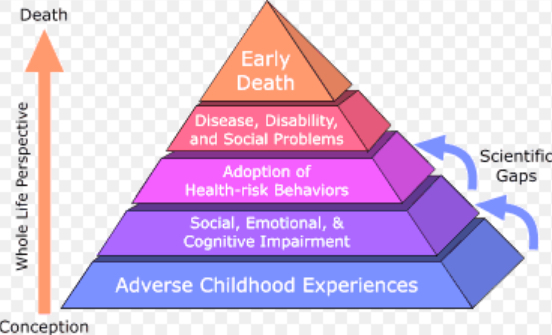
To get the most out of your philanthropic dollar, donate TODAY to your favorite charity. The new tax bill will have a major impact on charitable and non-profit organizations around the world. It takes effect January 1, 2018 and “would fundamentally weaken the ability of charitable organizations to raise money, provide services, and benefit our communities. Charitable giving could drop as much as $20 billion a year,” according to UNICEF’s website (United Nations International Children’s Emergency Fund), which is an organization which “works for the survival, protection, and development of children worldwide.” The UNICEF website added, “If you’re no longer going to be itemizing deductions then you might maximize your charitable contributions before year’s end,” quoting H & R Block, a tax preparation and filing service.
A charitable organization I’m most intimately involved with is The Salvation Army. I spend several hours per week there counseling recovering drug and alcohol users on how to live healthy lifestyles once they’re ready to face the world. Many of them have never known love in their lives. Some are raised by alcoholic, drug-addicted or absent parents or families; they are often physically, sexually and emotionally abused, homeless and desperate. They have nowhere else to go except The Salvation Army where they are welcomed with open arms and hearts.
A particular story shocked me, but it is just one out of many. One of my clients, at the age of five, was thrown down the stairs by her mother. After she tumbled to the bottom of the stairs her mother jumped on her head, cracking her skull. She was then taken away from her mother and sent to live with alcoholic relatives who abused her. This is according to her private medical chart; the young woman did not speak of it.
Another man in his forties was unjustly incarcerated for 22 years. He was finally exonerated based on new evidence, but the best of his life was over. Amazingly, as many of my clients there, he had a positive attitude when speaking with me, and said he felt “blessed” (his words), but has been struggling with heroin addiction. Again, he didn’t share his tale of woe, it’s something I had to read about in his personal history, which as a medical professional, is part of my duties: to understand a person’s life, history, health, etc. so I can help them to the best of my ability.
Many of my clients there have experienced injustices of all kinds. For instance, being incarcerated for nine or more years simply for “intent to distribute” drugs. Yes. That is a crime, but I feel the punishment is excessive. Then these poor souls become lost in the system – if they hadn’t already, torn from their families, uneducated, and damaged with nowhere to go except back to their negative environments.
Americans have always been generous people with big hearts. Please give now to The Salvation Army, one of the highest rated charities in the world and, of course, a personal favorite. But it is just one of millions, like UNICEF that make a difference in peoples’ lives. You could contact me (Katherine@PersonalizedNutrition), if you like, about medical supplies needed!
Katherine’s Top 40 Healthy Holiday Tips – Listen to the Podcast!
- At December 19, 2017
- By Katherine
- In Articles, News
- 0

Personalize your favorite strategies for enjoying yourself while staying healthy and fit through the holiday season. Listen to my “Top 40 Mental Tricks, Substitutions, Habits & Inspirations for the Holidays” on “The Boost” Podcast with Elena Lipson – and me!
The holidays are a time for celebrating life and for bringing friends and families together. They also mean many opportunities for socializing, eating and drinking. My belief is that you can do it all, have fun, feel great and still stay in shape and good health during the holidays with just a little planning and support. Besides, what’s the alternative?
Even if you’ve mastered your daily routine of self-care, the holidays present new challenges like travel, crazy schedules, fattening delicious foods everywhere, increased family and work obligations and pressures.
On the “The Boost Podcast,” I remind you, among other things, that you can eat with abandon, even your favorite holiday foods, like peppermint bark or potato pancakes, you can sleep more, reward yourself with sexy lingerie or a massage, go to great parties… In fact, you should!
Diet Simple Tip# 132 For Party Goer’s: The 25 Percent Blowout!
- At December 04, 2017
- By Katherine
- In Articles, News
- 0
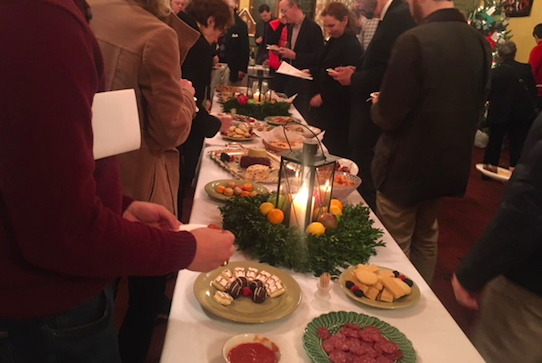
A recent holiday party
Here’s some rocket science: What happens when you go to four or five parties in a week, and you eat yourself silly at each one? You’ll make a good social impression, but the impression on the scale at the end of the week will be even more impressive.
It’s difficult for serious party goers to keep food intake and calories under control. Every sideboard and dining table is loaded with food, and every bottle is filled with caloric libations.
In Diet Simple’s Chapter, “The Party Goer’s Guide to Perfect Weight,” which is especially appropriate for party animals, anyone who entertains (or is entertained) frequently for pleasure or for business, or those who go home for the holidays, Tip #132, “The 25 Percent Blowout,” shares sage advice:
At the height of the holiday season, you might find yourself invited to four parties in a week. Go to all of them – and indulge at one.
**Excerpted from Diet Simple: 195 Mental Tricks, Substitutions, Habits & Inspirations
Tip# 139: Give Away Leftovers! 5 Ways to Stay Slim Through the Holidays
- At November 24, 2017
- By Katherine
- In Articles, News
- 0
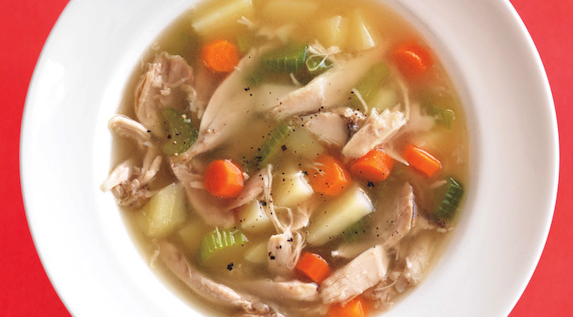
Goody’s Vegetable Soup (made with turkey stock and leftover Thanksgiving turkey) in “Diet Simple: 95 Tricks, Substitutions, Habits & Inspirations” A perfect way to enjoy the holidays and stay slim, too!
In tip#139 of Diet Simple, I share a little reminder that… it’s not the holiday meal that puts the weight on, it’s eating the high calorie leftovers again… and again… and again… on Friday… Saturday… Sunday…and beyond… Get rid of them (I’m pretty sure a homeless shelter would appreciate them)! But keep the tasty and healthy turkey, bones, and veggies to make a yummy soup that’ll soothe your loved ones’ souls – and bodies.
Splurging is great. but I recommend you get back to normal eating as soon as possible. Think of the Thanksgiving feast as one lovely day, and then, indulge yourself with the love of friends and family the rest of the weekend. Besides, isn’t love, friendship and thankfulness the most important parts of the holidays?
Soup is perfect for 5 reasons…
Soups are an especially good use for your leftovers. Why? They are satisfying in many ways: First, they are easy to throw together (as an example, Goody’s Vegetable Soup in “Diet Simple). Second, psychologically, soups warm your body and soul. Third, physically, they are yummy and filling, yet low in calories. Fourth, soups using Thanksgiving leftovers are brimming with nourishment from the most nutrient-dense foods available: veggies! And fifth, soups slow you down, calm you, help you eat more leisurely and mindfully. And mindfulness helps your body and mind in surprising ways.
I’ve written about the “Science of Slimming Soups,” in Diet Simple and on my blog, and you’ll be amazed at the results!
Light and Creamy Mashed Potatoes for the Thanksgiving Table
- At November 23, 2017
- By Katherine
- In News, Recipes
- 0
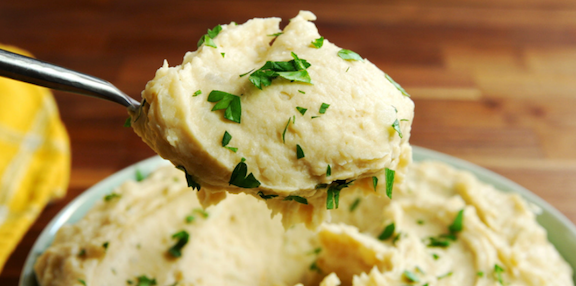
Marion Burros’ Streamlined Mashed Potatoes
(Excerpted from “Diet Simple: 195 Mental Tricks, Substitutions, Habits & Inspirations”)
Potatoes have more potassium than any raw fruit or vegetable, even a banana. Potatoes contain half your requirement for Vitamin C. They rank 5th out of 42 vegetables tested for antioxidant capacity, coming ahead of broccoli, cabbage, and tomatoes. A 5.3 ounce serving of potatoes have only 110 calories. Potatoes could sustain your body healthfully with just a few dairy products and oil added. Think of all the cultures through hundreds, and thousands of years, which survived on potatoes… Scandinavians, Russians, Irish, Peruvians… You get the picture!
I can’t imagine a better comfort food!
Serves 6
1 pounds unpeeled thin-skinned potatoes (Yukon Gold or other boiling potatoes), scrubbed and sliced 1/4 inch thick
2 Cups Nonfat Buttermilk, or more
Salt and freshly ground black pepper to taste
Garnish with chopped parsley (optional)
1. Cook the potato slices in water to cover until tender, about 10 minutes. Do not let them get so soft that they start to disintegrate; that makes them watery. Drain and mash the potatoes – peel and all – in a food mill, through a ricer, or with a potato masher.
2. Stir in the buttermilk until the potatoes become creamy. Season with salt and pepper. Add chopped parsley to taste (optional)
NOTE: The potatoes can be refrigerated, if well covered, but they are best when fresh. To serve, place in a glass dish, cover wtih plastic wrap, and reheat in the microwave for about 8 minutes on high. Stir once or twice while reheating. If the potatoes become too dry, stir in additional buttermilk. Use waxy potatoes for boiling like Red Bliss or fingerlings. Yukon Golds are all-purpose.
Streamlined Mashed Potatoes is excerpted from Cooking for Comfort (Simon & Schuster 2003) by Marion Burros. Burros is a columnist and writer for The New York Times since 1981, she lives in New York City and outside Washington, D.C.