
Berry Bonanza
- At April 29, 2012
- By Katherine
- In Articles, News
 0
0
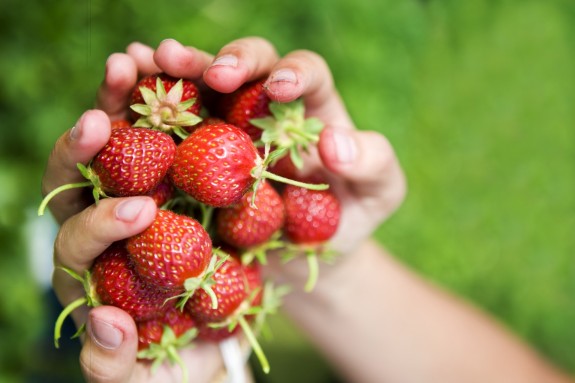
Strawberries (Photo: Swedish Embassy)
There are very few foods that match the beautiful color and intense flavor of berries. And, fortunately, these fruits are nutrition superstars.
For many years, most berries were regarded as nutritionally inferior because of their lack of traditional essential nutrients such as vitamins A and C. But that was before scientists recently discovered the presence of large amounts of beneficial phytochemicals (“phyto” is Greek for plant).
Apparently, each berry contains at least 100 nutrients and phytochemicals, the plant compounds with potent powers of healing. Some of the most important phytochemicals in berries are antioxidants, powerful substances believed to reduce inflammation, improve immune function and help prevent heart disease and cancers.
Antioxidants are compounds that absorb oxygen free radicals — molecules that cause oxidation in the body’s cells. Scientists believe that these molecules cause most of the diseases of aging, such as immune system decline, arthritis, heart disease, cancer and neurological impairments affecting cognition and balance. Think of oxidation as being similar to rusting. Or imagine an apple slice turning brown. By simply adding lemon juice, an antioxidant, the apple’s flesh stays fresh and prevents the browning or oxidation.
A similar thing happens in your body. Oxidation is constantly occurring in your cells because of environmental pollutants, smoking, exposure to the sun, heat generated through basic metabolic functioning, unhealthy diets and other factors. It takes a large supply of antioxidants to counter this. Berries have been found to have one of the highest antioxidant scores of all fruits and vegetables.
But there are other good reasons to eat berries. The berry family contains 300 to 400 beneficial, disease-fighting chemicals. The phytochemicals in berries, depending on the type, also stimulate the immune system, reduce inflammation, enhance cancer-fighting enzymes, positively influence hormone metabolism, have antibacterial and antiviral effects and may even reverse some aspects of brain aging.
The most potent berries are the more deeply colored varieties, especially blackberries, blueberries and cranberries, followed by raspberries, strawberries and cherries (not technically a berry, but similar nutritionally) but all more potent than most other fruits. Their color is provided by one of the most powerful phytochemicals, called anthocyanins, which berries synthesize to protect themselves from the elements.
“Anthocyanins play a role in . . . protecting against cancers of the gastrointestinal tract,” says Ronald Prior, nutritionist at the Arkansas Children’s Nutrition Center in Little Rock. “Blackberries have been shown in animals to protect against colon and esophageal cancer.” A preliminary human study found blueberries inhibited blood clotting, a risk factor in cardiovascular disease.
The anthocyanins in berries also may be responsible for improving some aspects of aging, such as memory, motor coordination, balance, vision and even symptoms of Alzheimer’s disease, according to many years of animal studies.
“Blueberries have interesting, surprising qualities,” said Prior. “We’re hoping foods such as blueberries can help prevent Alzheimer’s disease in humans as they do in rats.”
The scientists found similar effects in cranberries, which have additional phytochemicals called tannins. They may be responsible for helping to prevent urinary tract infections, stomach ulcers, gum disease and even ear infections in children. Cranberries are also effective against antibiotic-resistant bacteria — and 20 percent of urinary tract infections are resistant to antibiotics. The tannins work by blocking the disease-causing bacteria and preventing it from adhering to human cell walls.
Resveratrol
New research has found that raspberries, blueberries, cranberries and huckleberries contain a phytochemical called resveratrol, also present in wine, which is thought to help prevent cancer, cardiovascular disease, and is implicated as an important compound in the health benefits of the “French Paradox.”
Strawberries contain large amounts of phytochemicals called ellagitannins, which are also in raspberries and blackberries. Studies at the UCLA Center for Human Nutrition found those berries are capable of inhibiting a number of key steps in the development of cardiovascular disease and may have immense potential for the prevention and treatment of heart disease and stroke. Strawberries are also high in antioxidant Vitamin C and folic acid, important in preventing birth defects.
Most of what scientists know about berries has been determined in animal studies and in labs using cell cultures. But the few human clinical studies are showing promising results. Human studies on berries are limited because they’re very expensive, and as one scientist explained, “You can’t patent a berry!” This means that big pharmaceutical companies are unwilling to foot the research bill. Groups such as blueberry or strawberry growers fund some, but it’s up to Uncle Sam to find out if we can save millions on medications and hospitalizations by simply eating more berries.
Berries are an ideal food. Besides being absolutely delicious and colorful on a plate, they’re loaded with nutrients, vitamins, minerals, fiber, and they’re low in calories. They have maximum flavor and nutrient content when picked at ripeness. Freezing them when ripe or buying ripe frozen berries is a great alternative. But, simply ripening a berry on your kitchen counter will increase its phytochemical content, too.
Berries can be eaten morning, noon or night – whatever your preference. I eat berries every morning on my oatmeal. In the summer, I’ll use any fresh local berry but in the winter, I stick with frozen blueberries.
“Berries are extremely versatile; they fit perfectly with any meal or snack,” says Janie Hibler, author of “The Berry Bible” (William Morrow, 2004). In “The Berry Bible,” Hibler provides a berry encyclopedia and berry recipes ranging from smoothies, drinks, and breads to soups, salads, salsas, main courses, and desserts.
So, what are some ways we can eat berries every day?
“A no-brainer,” she says, “is a berry smoothie for breakfast.” For lunch, she says, throw a handful into your salad. For snacks, carry dried berries and nuts. At dinner, berries go beautifully with meats, grains and main courses.
You will eat more berries if you simply keep them on hand and ready to grab. Get them now when they’re fresh and freeze them yourself. Frozen blueberries are fun snacks for kids to pop in their mouths, like hard candy. You can also make berry popcicles, syrups for pancakes and spritzers.
Berry Coulis
Hibler recommends always having berry purees, or “coulis” on hand. “A sauce rivaled by none,” she says. But they also are great added to drinks, smoothies, yogurts, cereal, you name it. To make a coulis, rinse and drain the berries, process in a food processor. Add a little sugar or even liqueur, if desired. It will keep in your refrigerator for three to four days or be frozen for a month.
Some of my favorite berry recipes:
Spinach and Strawberry Salad with Toasted Almonds and Balsamic Vinaigrette
Katherine’s Spicy Mexican Salsa with Strawberries
Soupe aux Fraises et Rhubarbe (Strawberry Rhubarb Soup)
Kjerstin’s Curried Chicken Salad with Strawberries and Toasted Almonds
Strawberry – or any Berry – Granita
Dark Chocolate-Dipped Strawberries
Originally Published in The Washington Post
Maximizing Brain Health: Do’s and Don’ts
- At February 08, 2012
- By Katherine
- In Articles, News
- 9
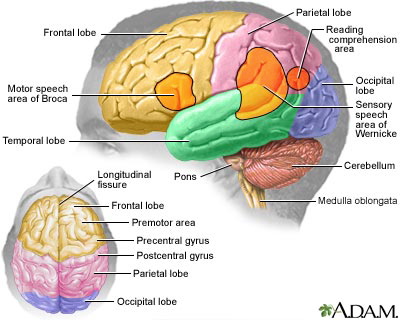
My clients regularly ask me: Do certain foods affect my brain and cognition?
My answer: an emphatic Yes! What you eat profoundly affects the brain, memory, and mental function.
Are you eating “Smart” foods? Please let me know by commenting at the end of this article in “Comments.”
“Nutrients are essential for brain function, and because all human beings must eat, we are all exposed,” said Martha Clare Morris, at a National Institutes of Health conference on brain function and preventing cognitive decline.
“The dietary components with the strongest evidence to date for dementia prevention include antioxidant nutrients, fat composition, and B vitamins,” said Morris, director of Nutrition and Nutritional Epidemiology at Rush Medical College in Chicago.
Antioxidant Nutrients
“The brain is particularly vulnerable to oxidative damage due to its high metabolic activity and the presence of relatively few antioxidant enzymes… Antioxidant nutrients (vitamin E, vitamin C, carotenoids, flavonoids) are a natural defense mechanism… Of the antioxidant nutrients, the evidence for brain protection is strongest for vitamin E; that for carotenoids, vitamin C, and flavonoids is limited and inconsistent but promising,” said Morris.
But when it comes to nutrients, both too little or too much can be dangerous. So I recommend you get those nutrients from food, not from supplements, which can be harmful and may disturb the natural nutritional balance of your brain.
Some examples of foods high in brain-protecting antioxidant nutrients:
Vitamin E: Sunflower seeds, almonds, sunflower oil, safflower oil, canola oil, hazelnuts, pine nuts, spinach, turnip greens, beet greens, dandelion greens, canned pumpkin, carrot juice, broccoli, sweet potato, sweet red peppers, mangos, papayas
Carotenoids, such as Beta-Carotene (orange), Lycopene (red), and Lutein (yellow/green): Orange, red, and deep green veggies and fruits, particularly…Carrot juice, carrots, butternut squash, pumpkin (or any orange-colored winter squash), sweet potato, greens such as spinach, collards, kale, turnip greens, beet greens, avocados, orange melons such as cantaloupe, red peppers, apricots, broccoli, plums, mangos papayas, plantains, Brussels sprouts, watermelon, asparagus, tomatoes, watermelon, pistachios
Vitamin C: Citrus fruits such as orange, lemons and grapefruit, peaches, sweet and hot peppers, papayas, pineapple, strawberries, broccoli,kiwi fruit, sweet potatoes, Brussels sprouts, kohlrabi
Flavonoids: Cocoa, green and black tea, citrus fruits, dark chocolate, red wine, apples, grapes, berries (read “Berry Bonanza” for more facts about berries), numerous fruits and vegetables. Tea is filled with antioxidants and anti-inflammatory nutrients, both of which reduce brain decline, and even slow down muscle and bone breakdown. Read about tea’s health benefits in my recent Washington Post article.
Fat Composition
Fat is an essential nutrient. But the type of fat you eat trumps everything. Fat ends up in all of your body’s cells, including your brain cells. It acts as a cell lubricant, improves flexibility and communication between cells. If the fat you eat is saturated – solid at room temperature – as in butter or animal fat – this stiffens and decreases cellular flexibility and functioning. Saturated fat also raises LDL cholesterol, and high cholesterol is correlated with cognitive decline. This may be why people who eat diets high in meat and animal fats suffer from a higher rate of dementia and Alzheimer’s.
A diet high in fish, on the other hand, is correlated with a reduced incidence of brain decline. Fish oil – omega-3-fatty-acid – concentrations are highest in the brain and nervous system. They are necessary for optimal functioning of the neurons, protect cells, decrease cell death and improve nerve transmission. Emerging research indicates Omega 3s may boost levels of the brain chemicals serotonin and dopamine, decreasing depression and violence.
“In 5 out of 6 of the clinical trials where people were given either a placebo or omega-3 fatty acids, on average, the symptoms of depression have been reduced by about 50%,” says Joseph Hibbeln, a psychiatrist at the National Institutes for Alcohol Abuse and Alcoholism. “This is true even when the subjects were already on anti-depressants and failing to respond to them.”
Hibbeln’s studies found an increase in depression, violence and homicides in countries who eat less fish as compared to countries who eat more fish. It may even improve conditions such as bipolar disorder and schizophrenia.
B Vitamins
“Vitamin B12 and folate … are widely believed to be protective risk factors of cognitive decline and Alzheimer’s disease,” said Martha Clare Morris. “Vitamin B12 deficiency results in a neurologic syndrome that involves impaired cognition. Recent interest in folate deficiency as a risk factor for dementia is primarily due to its effect on raising homocysteine concentration, which has been related to the risk of developing Alzheimer’s disease… Both low vitamin B12 and low folate status are associated with cognitive decline, and high folate exposure in persons with low vitamin B12 also may be associated with cognitive decline,” said Morris.
Balance is key, so eat food high in these nutrients instead of risking an imbalance caused by an overdose.
Folic Acid (Folate): Spinach, lentils, pinto beans, black beans, blackeyed peas, greens, soybeans, broccoli, asparagus
Vitamin B12: Found naturally only in animal foods such as seafood, chicken, fat free or low fat yogurt, milk
Smart Lifestyle
Physical Activity is the primary lifestyle factor impacting your brain’s health, as well as cardiovascular disease and diabetes prevention.
“Physical activity and exercise have been found, over the past several decades, to reduce the risk of a multitude of diseases including cardiovascular disease, breast and colon cancer, obesity, and type II diabetes,” said Arthur F. Kramer, at the National Institutes of Health’s conference on brain function and preventing cognitive decline. “Many of these diseases have been associated with diminished cognitive and brain health and serve as risk factors for age-associated neurodegenerative disorders such as Alzheimer’s disease. Therefore, physical activity appears to enhance cognition and brain health through disease reduction and prevention, but also has more direct effects on both brain health and cognition,” said Kramer, professor of psychology and neuroscience, Beckman Institute, University of Illinois, Urbana.
Mood
During just one exercise bout, your brain releases chemicals called endorphins into the blood stream. They reduce pain, increase feelings of well-being and elevate your mood. If you are regularly physically active, these benefits multiply. A study published in the Archives of Internal Medicine found that a brisk 30-minute walk just three times a week relieved major depression just as effectively as an antidepressant in middle-aged and older people.
Mental Alertness
Physical activity increases the oxygen to your brain, particularly the frontal regions where it increases reaction times, as reported in the journal, Nature. Physical activity also improves memory, mental function and reduces your chances for dementia and Alzheimer’s disease. Those who walked 18 miles or more per week experienced the most improvements. These studies were reported in the Archives of Internal Medicine and the journal, Neurology.
Social Networks
“A rich social network may provide better social support and consequently better access to resources and material goods. Large social networks also may enhance brain reserve by providing intellectual stimulation,” said Laura Fratiglioni at NIH’s conference on brain function and preventing cognitive decline. “In addition, neuropathological data have shown that subjects with a similar amount of neuropathological lesions had higher cognitive performances if they also had larger social networks,” said Fratiglioni, Professor of Geriatric Epidemiology, Karolinska Institute in Stockholm, Sweden.
Leisure Activities
Most studies have suggested “a protective effect of leisure activities, especially mentally stimulating activities, against dementia,” said Fratiglioni. “These activities, which include reading, playing board games and musical instruments, knitting, gardening, and dancing, often have been associated with a reduced risk of dementia. Furthermore, a recent review of prospective studies also has concluded that physical activity may reduce the risk of Alzheimer’s by approximately 45%. However, most physical activities also include social and mental components in addition to the physical component. Indeed, complex leisure activities composed of all three components of physical, mental, and social activities seem to have the most beneficial effect.”
Are you engaging in a “Smart” Lifestyle? Eating plenty of “Smart” foods? Please comment below in “comments,” and let me know how you are doing!
Every Day, in Many Ways
- At December 10, 2010
- By Katherine
- In Articles
- 0
photo by ADA
Original Content: The Washington Post
What are some ways we can eat berries every day?
“A no-brainer,” says Janie Hibler, author of “The Berry Bible” (William Morrow, 2004), “is a berry smoothie for breakfast.” For lunch, she says, throw a handful into your salad. For snacks, carry dried berries and nuts. At dinner, berries go beautifully with meats, grains and main courses. You can also make berry popcicles, syrups for pancakes and spritzers.
Hibler recommends always having berry purees or coulis on hand. “A sauce rivaled by none,” she says. But berries also are great added to drinks, smoothies, yogurts, cereal — you name it.
To make a coulis, rinse and drain the berries, puree them in a food processor and add a little sugar or even liqueur, if desired. It will keep in your refrigerator for three to four days or can be frozen for a month.
Super Fruits & Vegetables
- At December 06, 2010
- By Katherine
- In Articles
- 0
Every Sunday morning I rush to my Farmer’s Market (www.FreshFarmMarkets.org) to taste the latest local delicacy. It’s the highlight of my week. Lately I’ve been buying several quarts of strawberries weekly, but starting soon, I’ll have cherries, blueberries, raspberries, blackberries, plums, peaches, and more to choose from!
This is the perfect time of year to enjoy the most ripe, fresh, flavorful fruits and vegetables – as you can get just about everything you need locally. Whenever my clients make a large purchase at their Farmer’s Market, they see a nice reduction on their scale. This is because fruits and vegetables are the lowest calorie foods you can eat. But they also give you plenty of volume from their naturally high water content – and this helps you feel nice and full.
Fruits and vegetables not only help you lose weight, but improve your health dramatically.
More than 200 studies of various research designs have revealed a strong association between diets high in vegetables and fruits ( five cups daily) and a lower risk for cancer. This is why the National Cancer Institute recommends a minimum of five servings of fruits and vegetables daily.
The American Heart Association is also getting into the act. Its latest guidelines place more emphasis on eating fruits, vegetables, and whole grains, rather than on restricting fat because of fruits’ and vegetables’ influence on the prevention of heart disease and high blood pressure.
Many other health organizations, as well as the United States Department of Agriculture, are getting on the bandwagon and recommending a plant-based diet as protective against chronic diseases.
The research is clear and compelling. We‘ve known the positive statistics for decades. (Of course, our grandmothers knew them before the scientists did… and Thomas Jefferson, before that!) But scientists are just beginning to understand why fruits and vegetables prevent disease so effectively.
Apparently, each fruit and vegetable is a little factory of nutrients and chemicals — called phytochemicals — with potent powers of healing. An apple alone contains more than 150 beneficial, disease-fighting chemicals. And these are substances you can’t get from a pill. They act synergistically in the foods so the whole is greater than the sum of its parts. While an apple has only 6 mg of Vitamin C, it has 1,500 mg of Vitamin C anti-oxidant activity because of the interaction of the Vitamin C and the other nutrients in the apple.
Research has found that when some substances are added together, they boost each other and produce more than a double effect. This may explain why studies on supplements have failed to show the same health-enhancing and cancer-preventive effects as a diet high in vegetables and fruits — the whole foods..
The phytochemicals in fruits and vegetables, when eaten whole, have antioxidant effects, stimulate the immune system, enhance cancer-fighting enzymes, influence hormone metabolism positively, and even have antibacterial and antiviral effect. Phytochemicals are the compounds found in plants. (“Phyton” means “plant” in Greek.) By definition, all plants contain them. The term technically includes vitamins, minerals and fiber. But in the common usage, it has come to refer to all the other compounds in plants that our bodies have evolved uses for. Many of these compounds are potent antioxidants. Others are anti-inflammatories, and still others stimulate the body’s detoxification enzymes. You get them in sufficient quantities by eating the 5 cups of fruits and vegetables that the USDA recommends. All fruits and vegetables contain them–but the greatest concentration of beneficial phytochemicals is generally found in the most intensely colorful fruits and vegetables. (Notable exceptions would be onions, garlic and cauliflower.)
More than 900 different phytochemicals have been found in plant foods and more will be discovered. These protective plant compounds are an emerging area of nutrition and health, with new research reported every day.
Recommended book: The Color Code: A Revolutionary Eating Plan for Optimum Health
Powerful Fruits and Vegetables That Hold Promise for Human Health
While eating a variety of fruits and vegetables is recommended for maximum health, there are some which we call the “superstars,” which you should try to eat daily.
1. Broccoli Family
People who regularly consume brussels sprouts, cabbage and broccoli have reduced incidence of certain cancers, especially cancer of the colon. They actually provide potent anti cancer enzymes in the body.
2. Tomatoes
Men who consumed 10 or more servings of tomato products a week had a 35% decrease in risk of prostate cancer relative to those who consumed 1.5 servings or fewer per week. This is largely attributed to “lycopene” in the tomatoes, which is also in other red fruits such as watermelon, pink grapefruit and guava. Men with lycopene levels in the top 20% had a 46% decrease in risk of heart attack compared to those in the bottom 20%. Lycopene is a potent scavenger of gene-damaging free radicals.
3. Dark Green Leafy Veggies (kale, spinach, collard greens and turnip greens)
People who consumed spinach or collard greens 2 to 4 times per week had 46% decrease in risk of age-related macular degeneration (the leading cause of preventable blindness) compared to those who consume these vegetables less than once per month. This is attributed to the phytochemical “lutein” in the carotenoid family. Absorption of carotenoids in your body is increased by cooking and by the presence of fat (so cook in a little healthy olive or canola oil!)
4. Garlic
The Iowa Women’s Study found the risk of getting colon cancer was decreased by 32% in realistic periodic consumption of garlic. This is largely attributed the the “alliinase” found in garlic. Allinase is preserved in foods if garlic is crushed and allowed to stand for 10 minutes before it is cooked. This result should also be found in other “Allium” family foods: onions, leeks, chives, scallions.
5. Berries and Red/Purple Grapes
Red/Purple fruits and vegetables such as red and blue grapes, blueberries, blackberries, cherries, strawberries, beets, eggplant (skin), red cabbage, red peppers, plums and red apples are loaded with powerful antioxidant called “anthocyanins.” They delay cellular aging and prevent formation of blood clots. Full of potent antioxidants and anti-inflammatory compounds. In animal studies.
“In tests at Tufts University, blue foods quenched more free radicals than any other foods. Blueberries and blackberries were clear winners among fresh fruits.”
(“The Color Code: A Revolutionary Eating Plan for Optimal Health” by Joseph, Nadeau and Underwood)